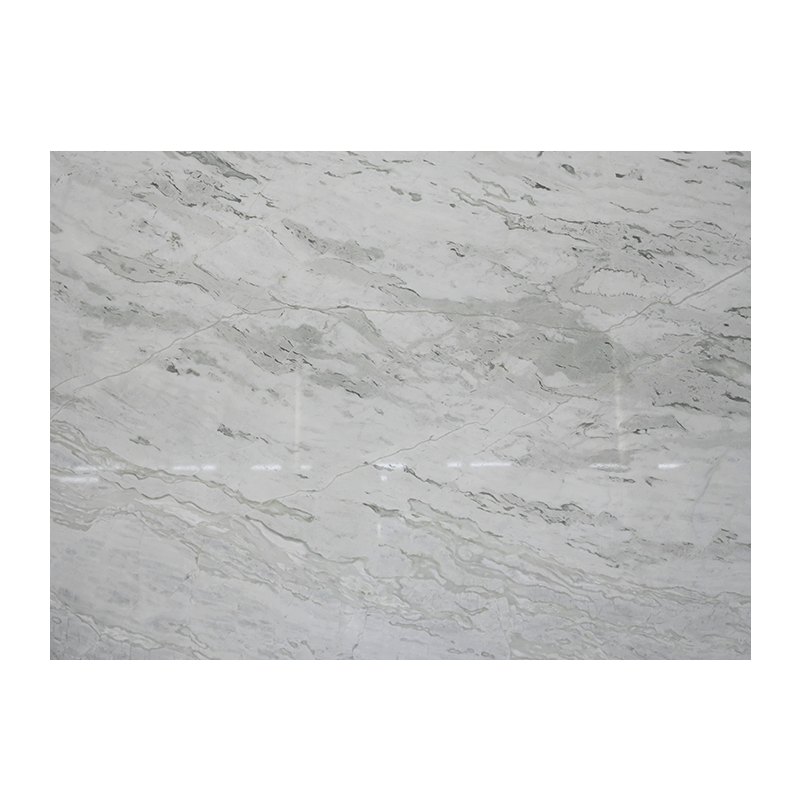
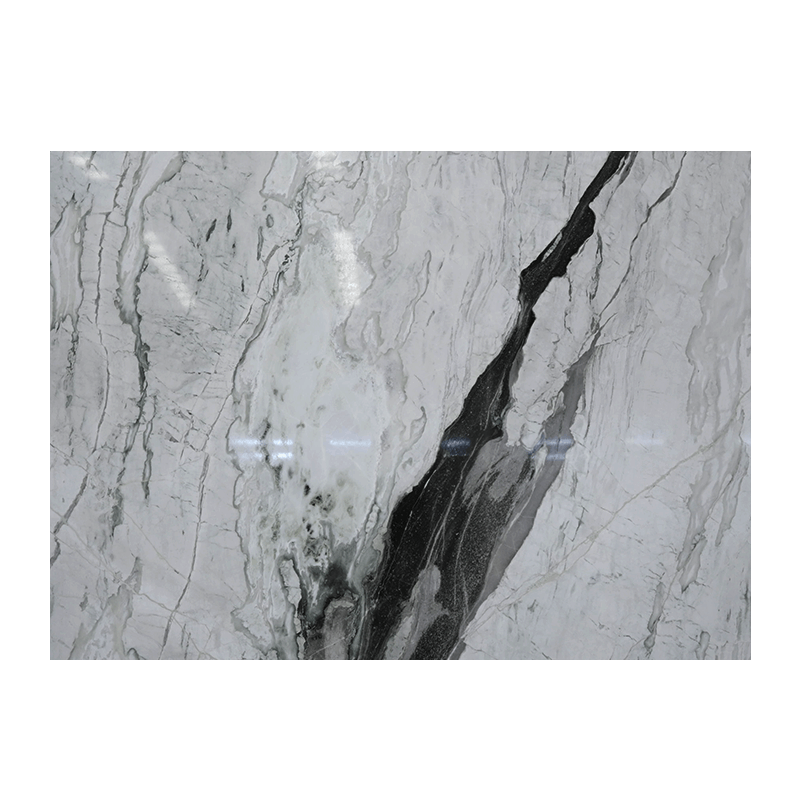
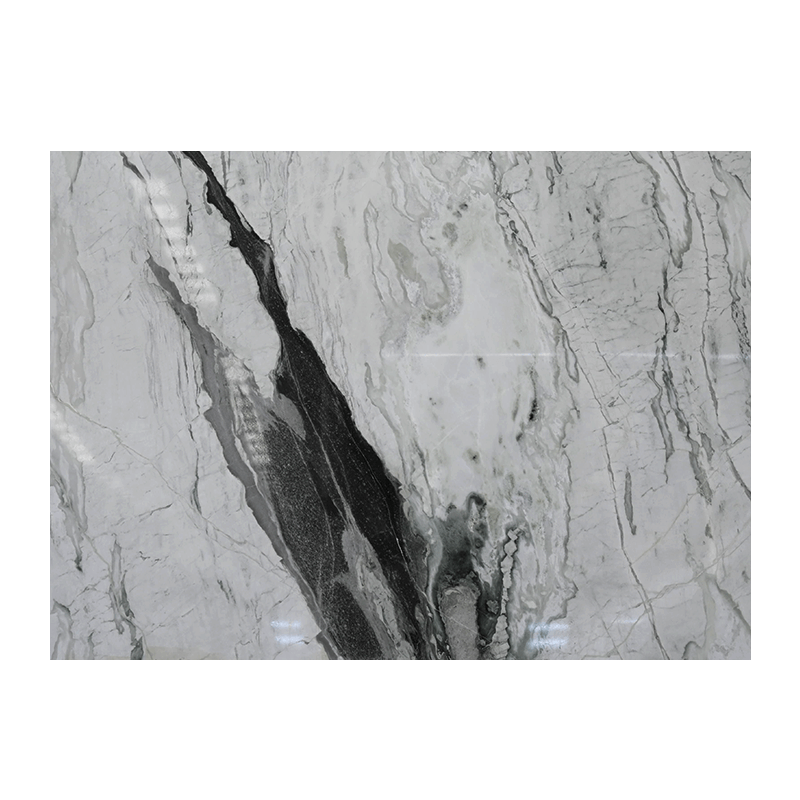
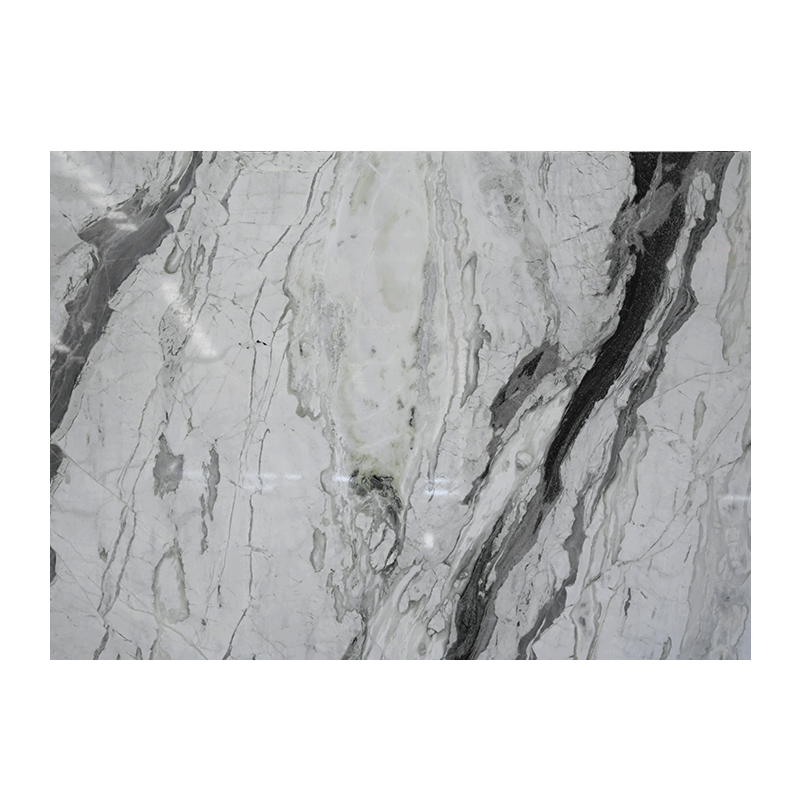
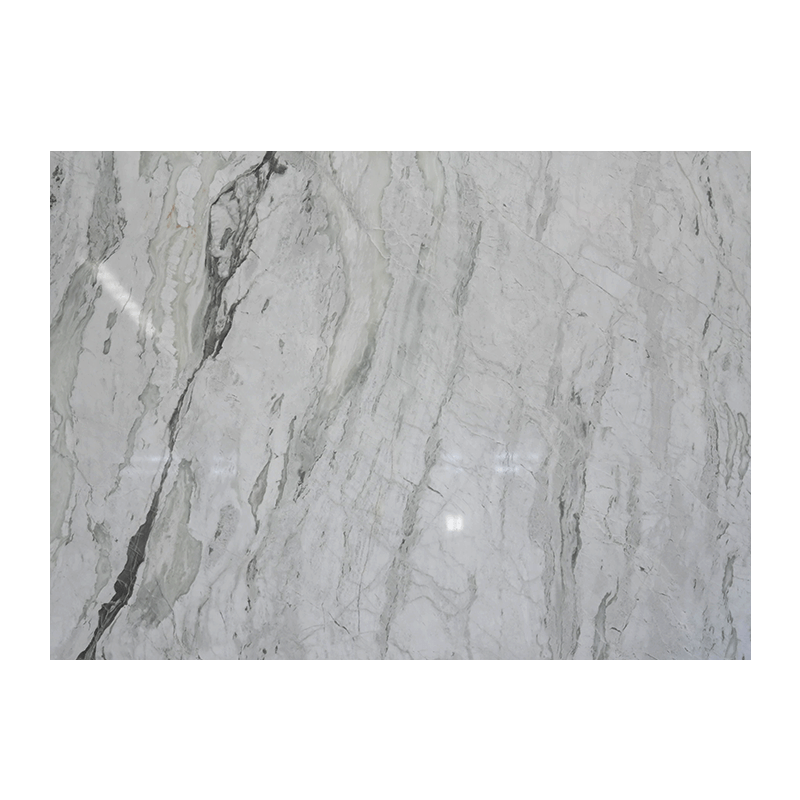
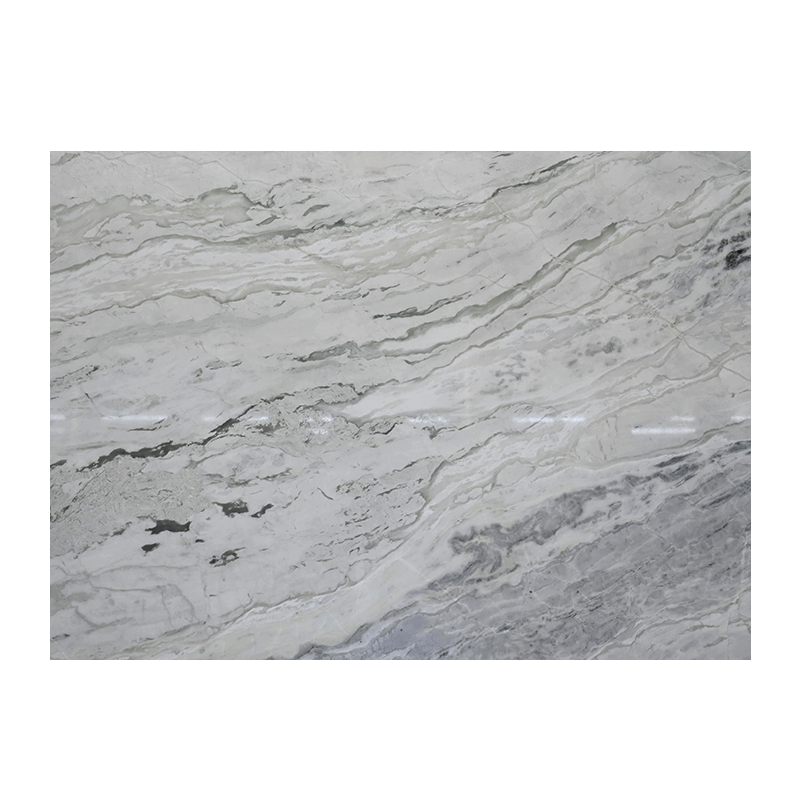
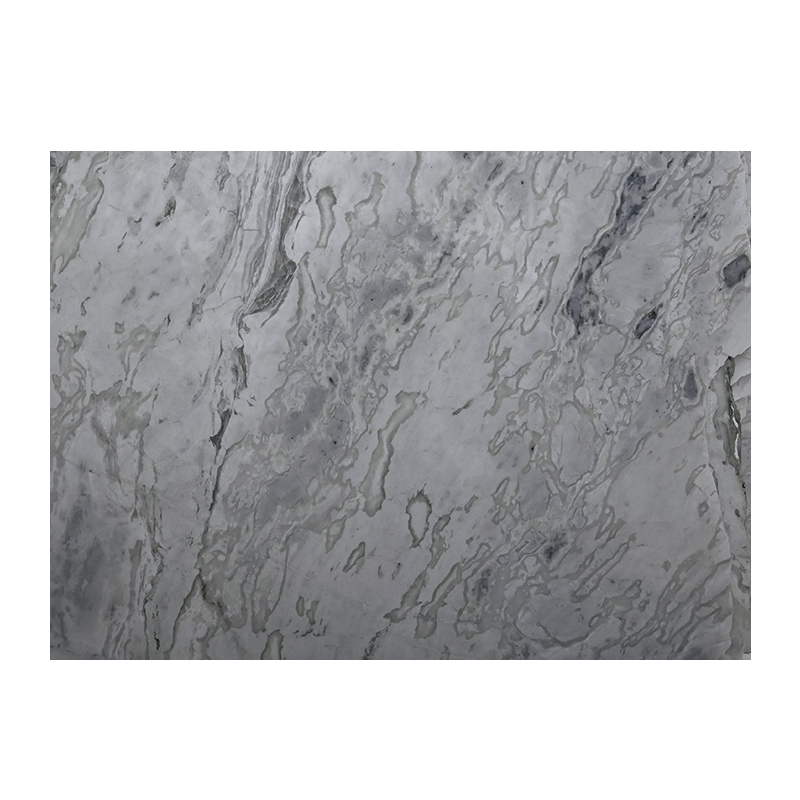
High-Quality Penetrating (Impregnating) Sealers: These sealers enter the micro-pores of the marble to form an internal barrier that prevents liquid absorption, staining, and moisture intrusion while leaving the polished appearance unchanged. They do not create a surface film, which means the natural gloss, reflectivity, and tactile smoothness of Polished Marble Mosaic Tiles remain intact. Because they protect from within, they are highly resistant to peeling, flaking, or discoloration and are therefore considered the most reliable protection method for polished stone in demanding environments.
Solvent-Based Impregnating Sealers for Heavy-Duty Protection: Solvent-based formulas offer superior penetration depth due to their lower surface tension, enabling them to reach deeper pores within the marble. This results in enhanced protection against stubborn oil-based stains, cosmetic products, food contaminants, and industrial pollutants. They are especially recommended for commercial settings where exposure to staining agents is frequent. Their high-clarity chemistry ensures they will not cloud the polished finish, and they typically provide longer protection cycles compared to water-based alternatives.
Water-Based Impregnating Sealers for Low-VOC or Occupied Environments: Modern water-based sealers use advanced emulsions and are formulated to provide strong stain resistance with minimal odor and reduced volatile organic compounds. They are ideal for residential homes, hotels, healthcare facilities, and projects prioritizing sustainability and indoor air quality. Although they may not penetrate as deeply as solvent-based products, high-quality water-based impregnators still deliver excellent resistance to daily wear, making them a suitable option for medium-traffic areas.
Nanotechnology-Enhanced Sealers for Maximum Stain and Moisture Resistance: Nanotech sealers contain ultra-small particles that fill microscopic pores more uniformly than traditional sealers. This results in improved hydrophobic (water-repellent) and oleophobic (oil-repellent) performance. These treatments are particularly valuable for Polished Marble Mosaic Tiles installed in kitchens, upscale bathrooms, hotel facilities, or commercial lobbies where high exposure to contaminants demands exceptional durability. Their molecular-level bonding provides long-lasting protection even under heavy use.
Anti-Etch Topical Treatments to Prevent Acid Damage: Because marble is calcium-based, it reacts with acidic substances, creating permanent etching that dulls the polished finish. Anti-etch treatments form a transparent, micro-thin coating that acts as a sacrificial layer, absorbing acid interactions before they contact the marble. These coatings provide protection against citrus, vinegar, wine, coffee, and cosmetic acids, making them highly recommended for bar tops, restaurants, hotel bathrooms, vanity areas, or any installation where acid exposure is likely.
Hybrid Enhancer Sealers for Color Enrichment and Protection: Enhancing sealers deepen the natural hue, contrast, and veining of the marble while providing stain resistance. Although Polished Marble Mosaic Tiles already display vibrant color, enhancer sealers may be used when designers desire a richer, more dramatic visual impact. These treatments amplify the stone’s natural depth while still offering internal protection against moisture and staining, making them ideal for feature walls, luxury interiors, and architectural focal points.
Grout Release Agents for Installation-Phase Surface Protection: Grout release products create a temporary, non-permanent barrier that prevents grout—especially epoxy or polymer-modified mixtures—from bonding to the polished marble surface. This reduces the risk of grout haze, streaking, scratching, or chemical interaction during installation. They ensure that the final appearance remains crisp, clear, and unaffected by installation residues, which is crucial for mosaics where grout lines are numerous and closely spaced.
Structured Resealing Schedules for Long-Term Preservation: Resealing must be performed regularly to maintain optimal protection. Frequency depends on exposure conditions, foot traffic, and cleaning habits. High-traffic commercial areas may require resealing every 6–12 months, while residential areas may extend to 12–24 months. Structured maintenance programs ensure that the protective barrier is consistently renewed, preventing gradual deterioration of the polished surface and safeguarding the stone’s long-term aesthetic and functional performance.
Use of pH-Neutral, Marble-Safe Cleaning Solutions: Maintaining the integrity of the sealer and the polished finish requires exclusive use of pH-neutral cleaners formulated for natural stone. Acidic or alkaline cleaners can break down sealers, cause etching, or dull the polished surface. By using marble-safe cleaning products, the protective treatments remain effective for longer periods, minimizing the need for frequent resealing and enhancing overall durability.
Temporary Surface Protection Films During Construction: In active construction areas, temporary protective films or coverings shield Polished Marble Mosaic Tiles from scratches, debris, paint, adhesives, and chemical spills. These films preserve the freshly sealed surface throughout the construction process and prevent accidental damage caused by equipment, tools, or foot traffic. They are removed after project completion to reveal the pristine polished finish.


Factory Address: NO.8,WEST BINHAI ROAD,LAOBAGANG(JIAOXIE TOWN),BINHAI NEW AREA,HAIAN COUNTY,NANTONG,JIANGSU,CHINA


+86-15221350573

+86-571-86632298
 English
 Español
 русский
 عربى
عربى