Hardness and Wear Resistance: Polished Marble Mosaic Tiles typically fall within the 3–5 range on the Mohs hardness scale, which means they are softer than many other premium stone options such as granite or engineered porcelain. In high-traffic environments, this relatively lower hardness results in a higher susceptibility to micro-abrasions, surface dulling, and scratching over time. Although the mosaic format can make individual imperfections less visually prominent than on large-format marble slabs, the surface finish will still gradually lose its high-polish sheen under constant foot traffic, especially in commercial spaces where abrasion levels are significantly higher.
Porosity and Staining Vulnerability: Marble’s natural porosity makes Polished Marble Mosaic Tiles more prone to absorbing liquids and contaminants. In both residential and commercial settings, unsealed marble can absorb spills—including oils, pigments, and acidic substances—leading to permanent stains or etching of the polished surface. Regular sealing is required to mitigate these issues, but even with proper sealing, polished marble remains more sensitive to staining and chemical reactions than denser, less porous stone materials. In high-traffic zones, where exposure to contaminants is more frequent, the risk of staining increases proportionally.
Maintenance Requirements and Cleaning Protocols: Polished Marble Mosaic Tiles demand a consistent maintenance routine to preserve their appearance. This includes periodic resealing, use of pH-neutral stone cleaners, avoidance of harsh or acidic cleaning agents, and scheduled deep cleaning to remove accumulated grime in grout joints. In commercial environments, higher foot traffic leads to more rapid wear, meaning a more aggressive maintenance schedule is needed compared to other stone or engineered tile products. Failure to maintain the surface properly can cause premature dulling, visible etching, and loss of aesthetic value.
Slip Resistance and Safety Considerations: The polished surface of these marble mosaics provides a reflective, high-gloss finish, but this smoothness inherently reduces slip resistance, particularly when the surface becomes wet or contaminated. While the smaller format of mosaic tiles can improve traction slightly due to increased grout joint density, Polished Marble Mosaic Tiles still pose a higher slip risk compared to honed marble or textured porcelain tiles. In commercial projects subject to safety regulations, additional slip-mitigation strategies may be required, such as anti-slip treatments, mats, or strategic placement away from water-prone areas.
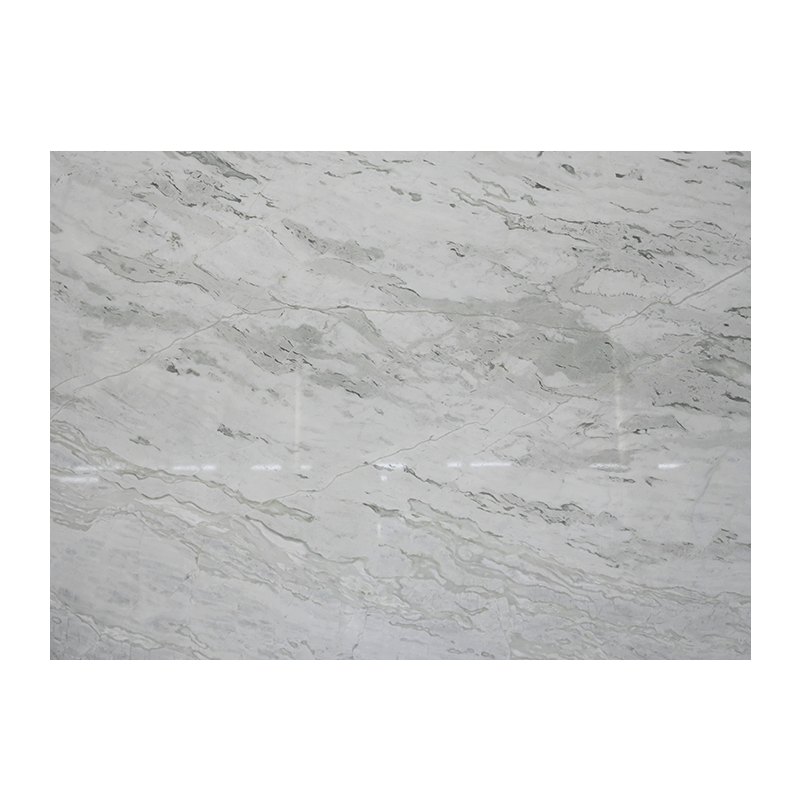
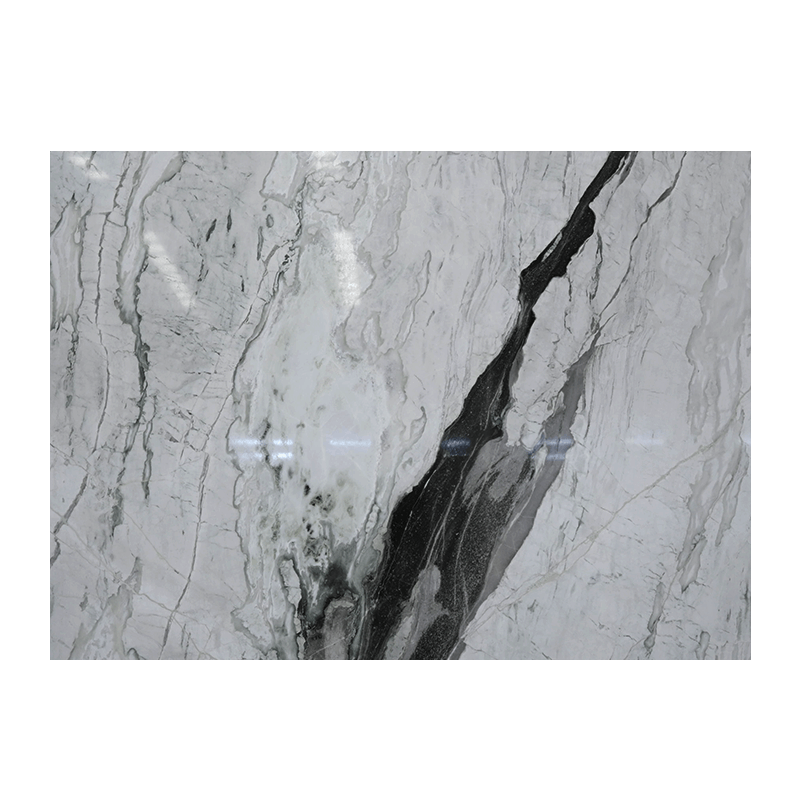
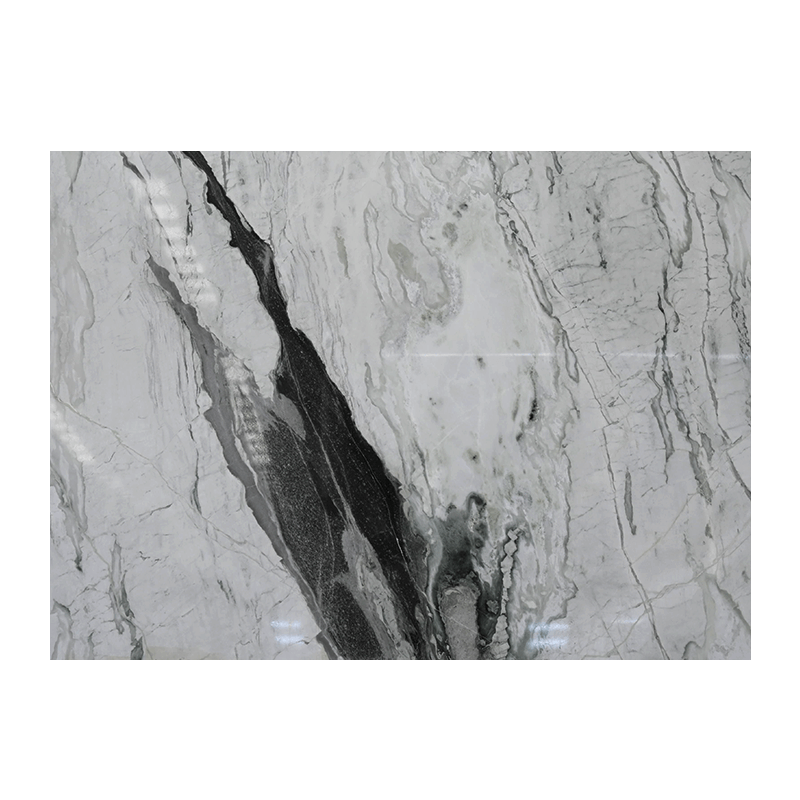
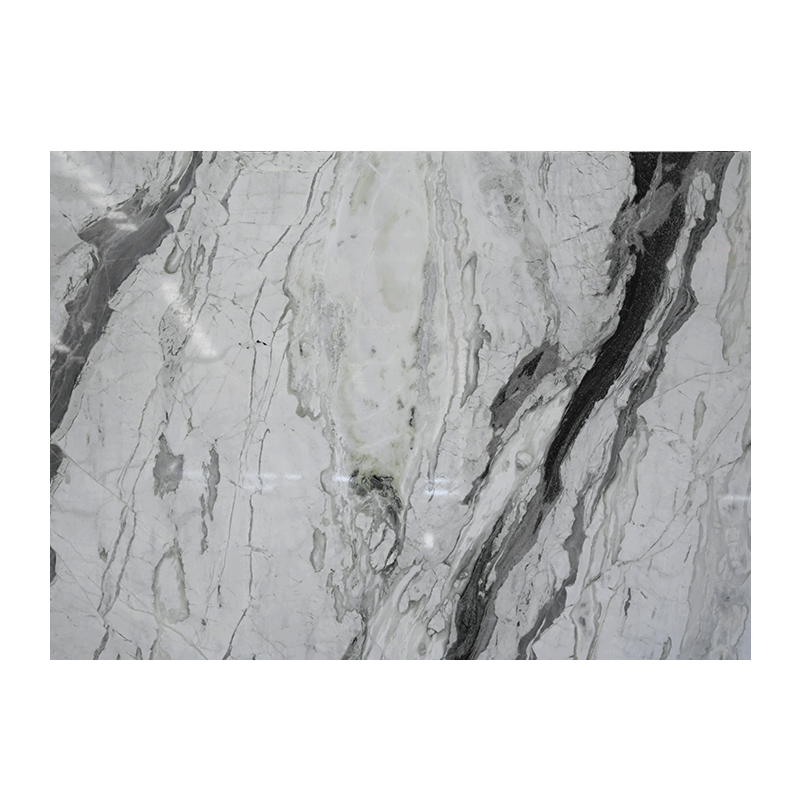
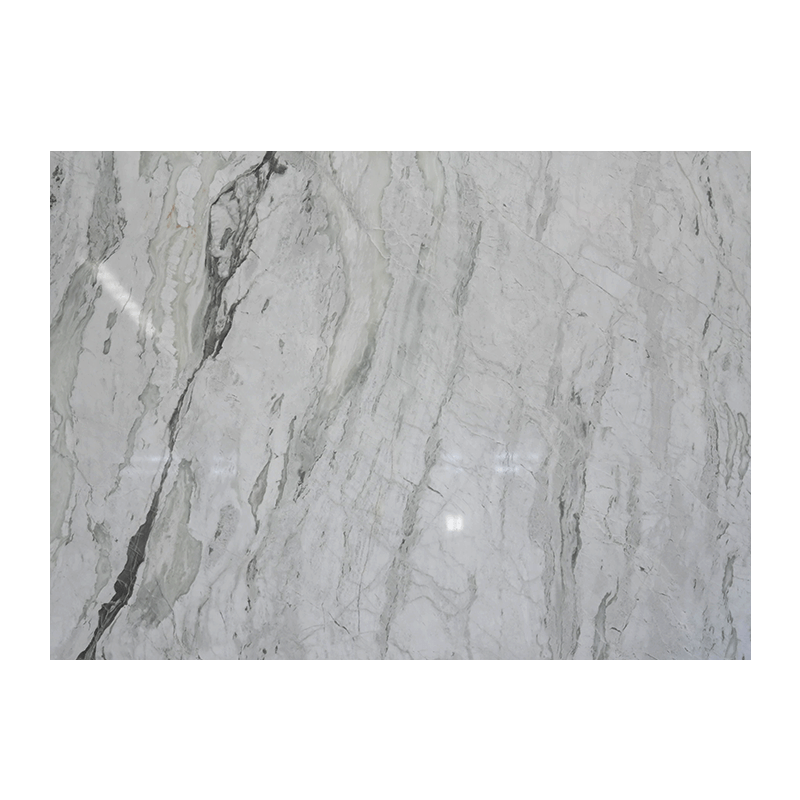
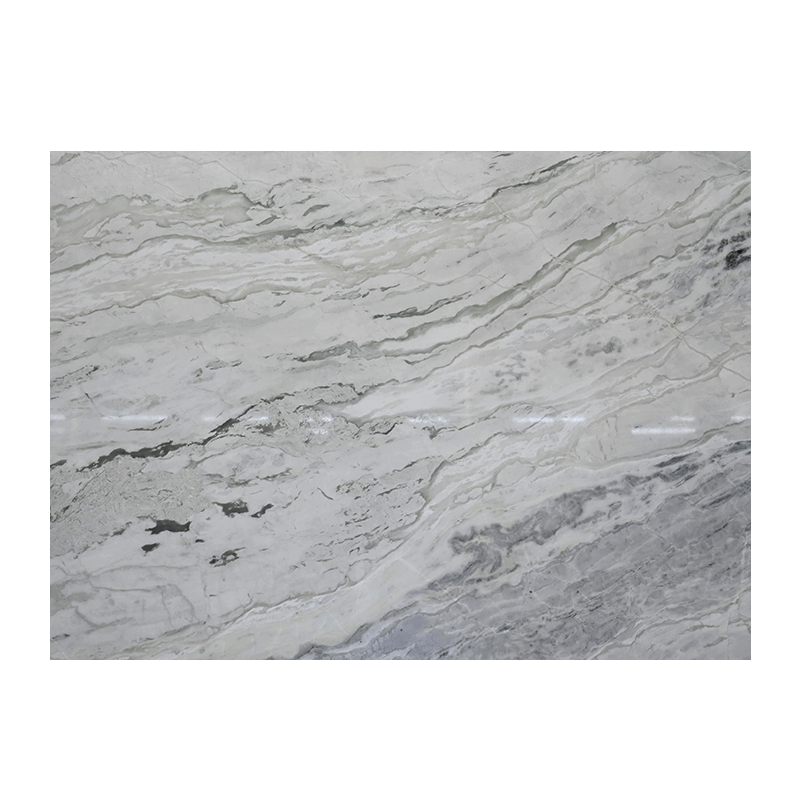
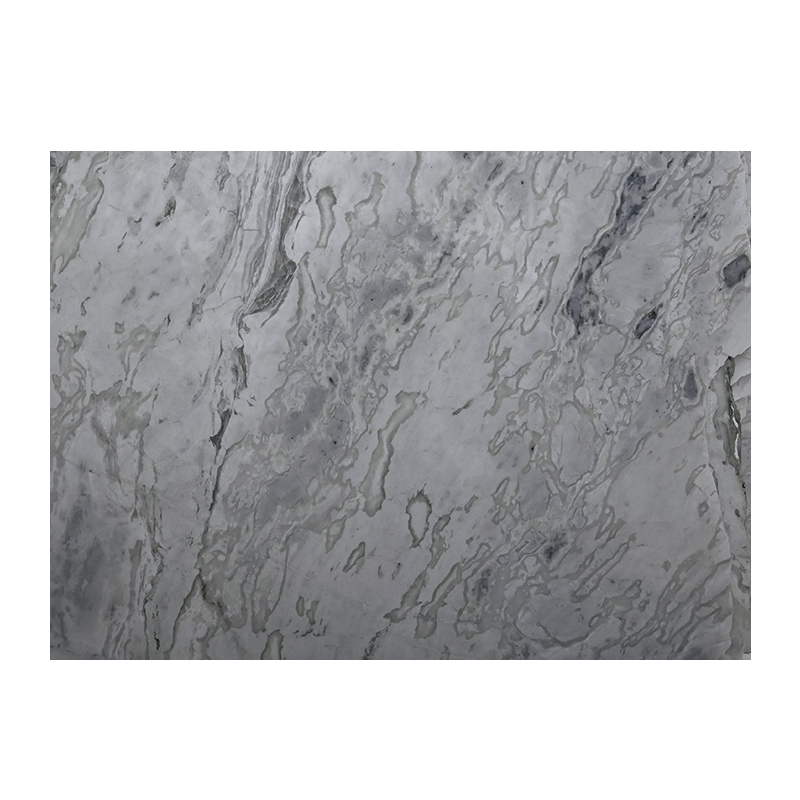
Aesthetic Value and Design Enhancement: One of the strongest advantages of Polished Marble Mosaic Tiles is their premium visual appeal. The polished finish enhances the natural veining, color depth, and stone translucency, creating a luxurious aesthetic that adds significant perceived value to both residential and commercial spaces. These tiles reflect light effectively, helping brighten interiors and elevate spatial ambience. In high-end environments such as hotel lobbies, luxury bathrooms, boutique retail, or showpiece residential areas, the design enhancement often outweighs the maintenance burden, making marble mosaics a preferred choice for achieving an upscale look.
Color Variation and Natural Pattern Consistency: As a natural material, marble exhibits inherent variations in tone, veining, and pattern distribution. Polished Marble Mosaic Tiles often display this variation more visibly because the polished surface highlights contrasts and fine details. While this variation is considered desirable in luxury design contexts, it requires careful selection, blending, and layout planning—especially in commercial projects requiring consistent branding aesthetics. The natural variation also means different batches can vary subtly, necessitating batch control during procurement.
Thermal Behavior and Compatibility with Heating Systems: Marble is a good conductor of heat, making Polished Marble Mosaic Tiles compatible with radiant floor heating systems. They distribute warmth efficiently and maintain thermal stability once fully bonded to the substrate. However, installers must consider thermal expansion and ensure proper setting materials and movement joints are used. In commercial environments with fluctuating temperatures, correct installation techniques become even more critical to prevent cracking or debonding over time.
Substrate and Installation Requirements: Successful long-term performance of Polished Marble Mosaic Tiles relies heavily on meticulous substrate preparation. The substrate must be rigid, level, and free of movement to prevent cracking due to marble’s relative softness and sensitivity to substrate imperfections. High-quality thinset mortars, appropriate mesh backing, and proper curing conditions are essential. Mosaic formats can be challenging to install evenly due to sheet alignment issues, making skilled workmanship essential, particularly in high-visibility commercial installations where precision affects overall aesthetics.


Factory Address: NO.8,WEST BINHAI ROAD,LAOBAGANG(JIAOXIE TOWN),BINHAI NEW AREA,HAIAN COUNTY,NANTONG,JIANGSU,CHINA


+86-15221350573

+86-571-86632298
 English
 Español
 русский
 عربى
عربى