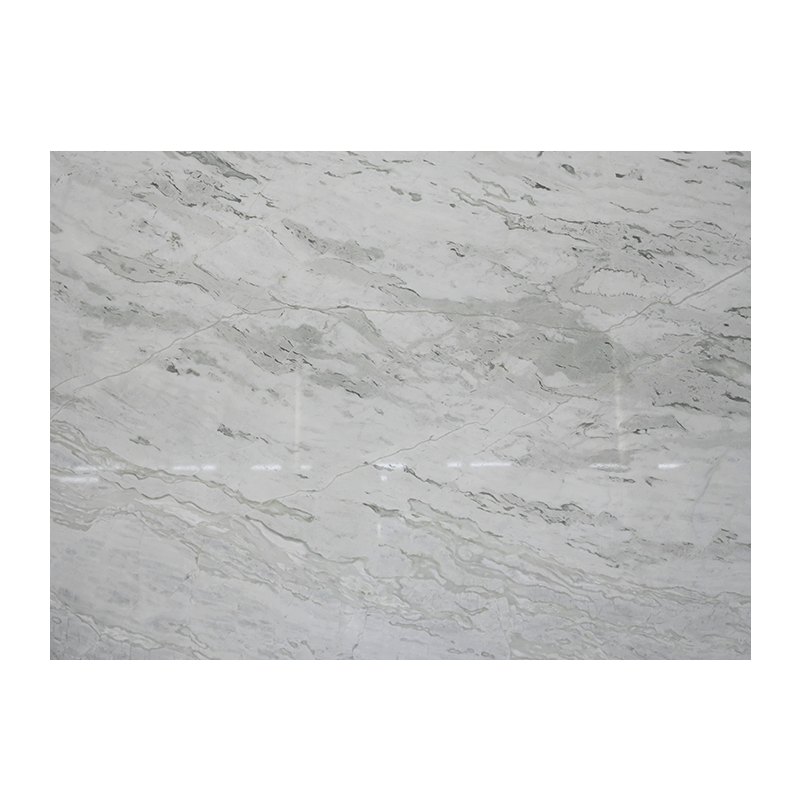
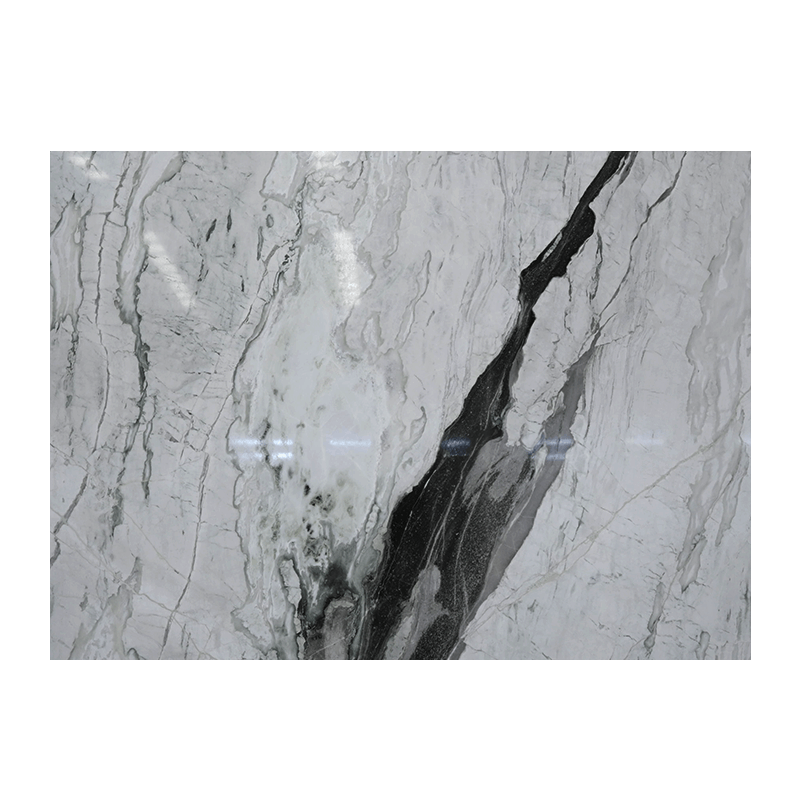
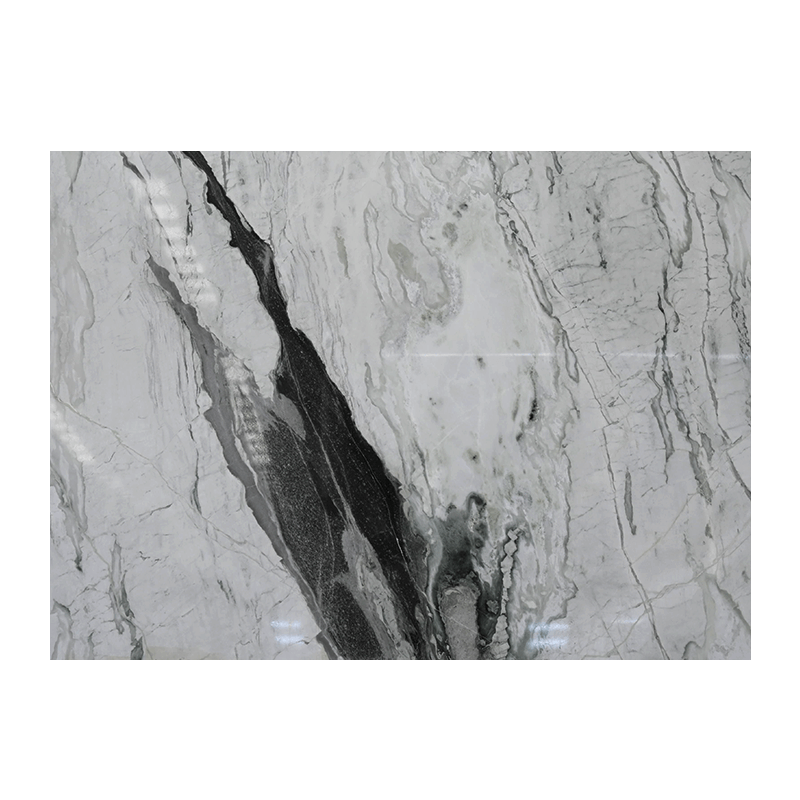
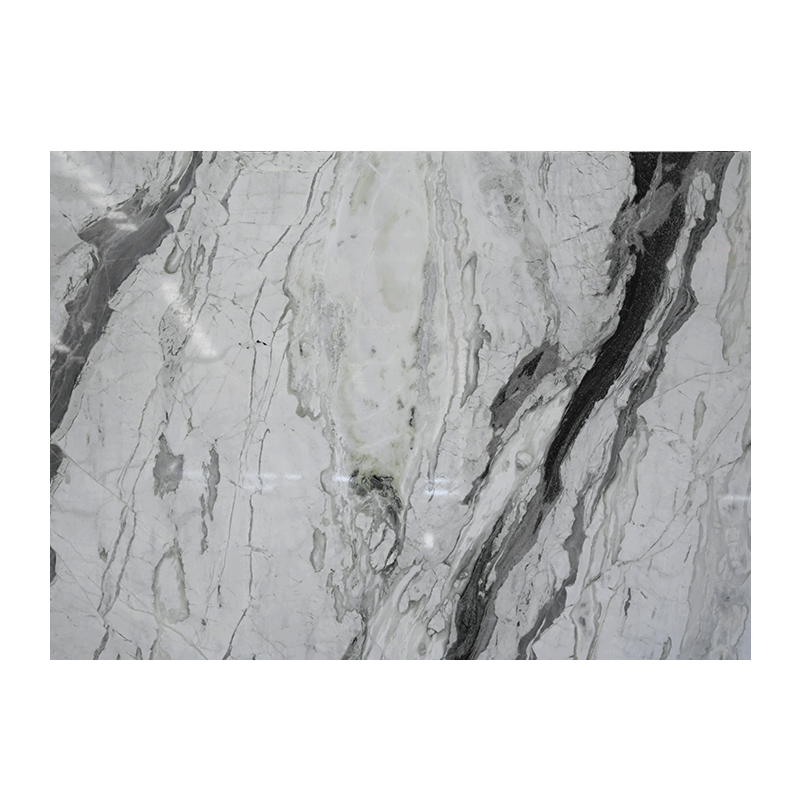
Marble Finished Tables:
Marble, being a natural stone, has specific maintenance requirements that make it more challenging to care for compared to engineered materials like quartz. One of the primary maintenance concerns with marble is its porosity. This means that marble can absorb liquids, oils, and other substances if not adequately sealed. Because of this, it's critical to seal marble surfaces every 6-12 months to maintain its protective layer. Without sealing, marble can quickly stain, especially from acidic foods like wine, coffee, and citrus. Cleaning marble requires special attention to avoid damaging the surface. Only pH-neutral cleaners should be used, as acidic or harsh cleaners can cause the surface to etch, leaving permanent damage in the form of dull, discolored spots. Scratches and chips can occur more easily with marble, particularly on polished finishes, which can detract from the table’s overall aesthetic over time. Regular maintenance of a marble table includes wiping up spills immediately and ensuring it's protected from sharp objects or abrasive materials to prevent surface damage.
Engineered Stone or Quartz Tables:
In contrast, engineered stone or quartz is non-porous, which means it doesn't absorb liquids or stains in the same way marble does. This makes it much easier to maintain in terms of cleaning and care. There is no need for regular sealing as is the case with marble, and the surface remains resistant to staining from most substances, including coffee, wine, and oils. Quartz surfaces are also resistant to bacteria and germs, making them highly suitable for environments like kitchens or bathrooms where hygiene is a priority. Cleaning engineered stone or quartz requires only warm soapy water or mild dish detergent. Harsh chemicals are not needed, and these materials are more resistant to chemical etching, meaning they won't show wear from household cleaners. Since quartz is significantly more durable than marble, it is far less prone to scratches or surface degradation, which further reduces maintenance needs over time. However, while quartz does resist stains, care should still be taken to wipe up spills promptly, as prolonged exposure to harsh chemicals or hot items can cause damage to the surface.
Marble Finished Tables:
Marble is a relatively soft natural stone compared to engineered stone or quartz, and therefore more susceptible to physical damage such as scratches, chips, and cracks. While marble is relatively durable and can withstand normal use, it is not as resilient under heavy impact. This makes it more vulnerable in high-traffic areas or spaces where heavy objects might accidentally be dropped. The surface can develop etch marks from exposure to acidic substances like citrus, vinegar, or even some cleaning products. Marble surfaces are prone to staining if not sealed properly, and they can absorb oils, wine, and coffee. Because it is a natural stone, marble can also develop surface flaws or minor cracks over time, particularly around the edges or corners where the stone is more vulnerable. Marble is not the most impact-resistant material, and while it may look stunning initially, it requires more attention to ensure that it doesn’t degrade prematurely.
Engineered Stone or Quartz Tables:
On the other hand, engineered stone and quartz are far more durable and resistant to physical damage. They are engineered with a combination of natural minerals and resin, which gives them superior scratch resistance, impact resistance, and abrasion resistance compared to marble. Quartz surfaces are nearly as hard as granite, meaning that they can withstand heavy use without showing wear and tear. These materials are also far more resistant to chipping, and they do not develop etch marks from acidic substances, making them ideal for food preparation areas or high-traffic environments. Because engineered stone and quartz are non-porous, they are much less likely to absorb stains from spilled liquids, oils, or food. The durability of these materials makes them ideal for households with children or pets, as they can endure rough use without easily being damaged.
Marble Finished Tables:
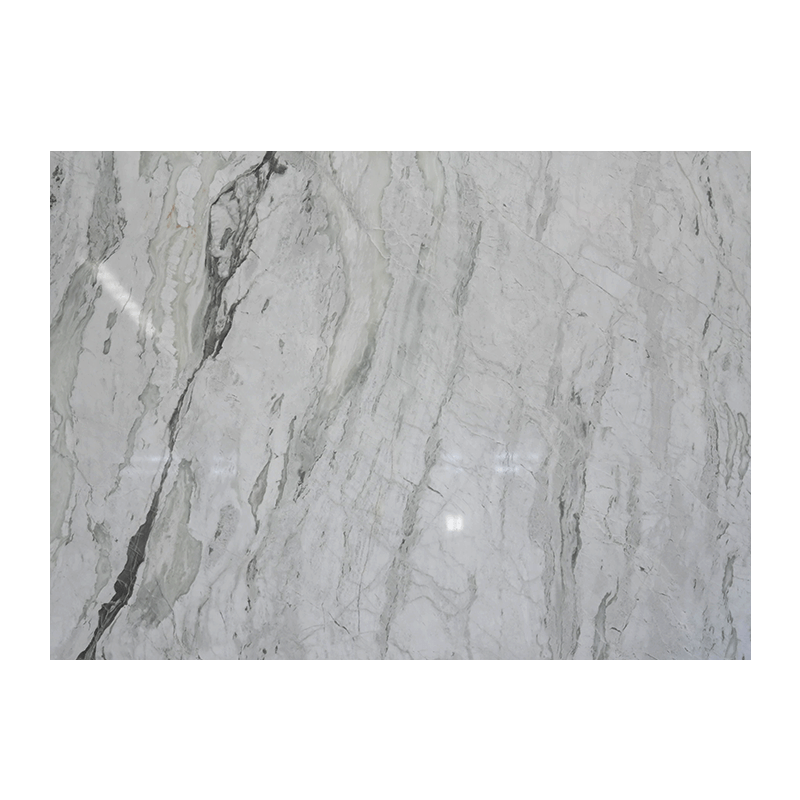
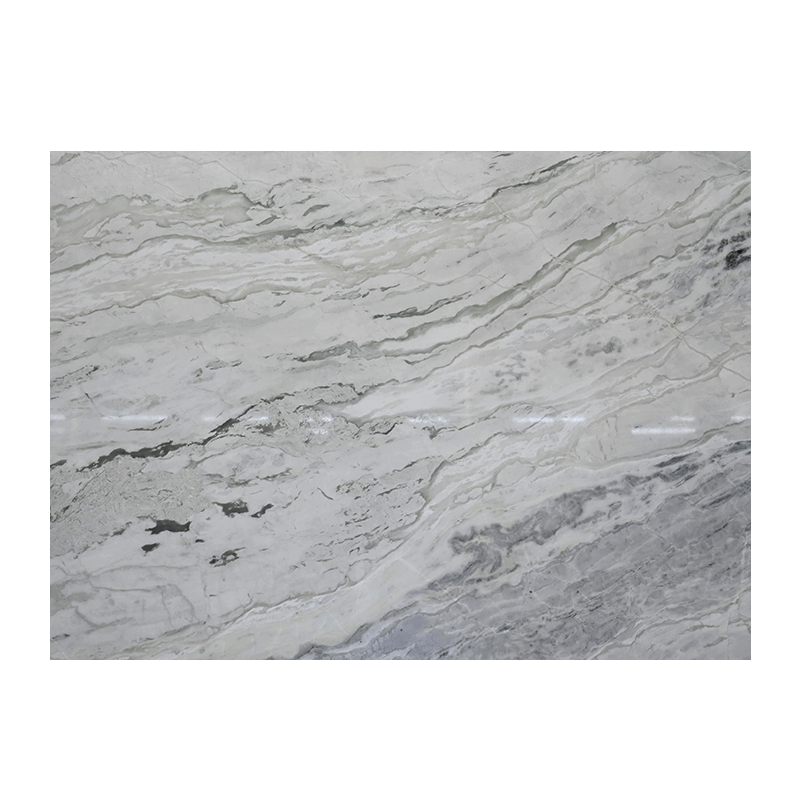
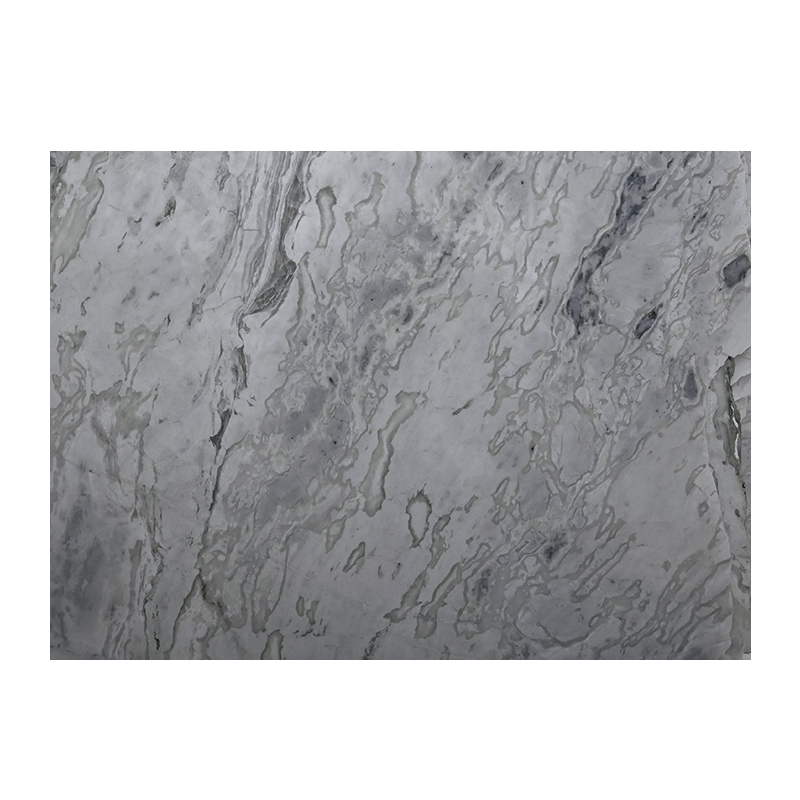
The appearance of marble is widely regarded as one of its most appealing attributes. Marble offers a luxurious, timeless aesthetic that cannot be replicated by man-made materials. Each marble slab has its own unique veining patterns, colors, and textures, creating a one-of-a-kind piece. The natural variations in the veining and color make each marble finished table distinct, adding a layer of sophistication and elegance to any room. Polished marble surfaces, with their high-gloss finish, reflect light, giving a shiny, luminous quality to the stone, which enhances the opulence of the space. In contrast, honed or matte finishes provide a more understated, elegant look. Over time, marble develops a patina that many homeowners find attractive, as it lends a sense of history and character to the material. However, one trade-off with marble’s natural beauty is its vulnerability to damage, such as staining, scratching, and etching, which can detract from the appearance if not carefully maintained.
Engineered Stone or Quartz Tables:
In terms of appearance, engineered stone and quartz have evolved significantly to mimic natural stone like marble. These materials can be produced in a wide range of colors and patterns, from simple, monochromatic hues to designs that replicate the veining and texture of marble, granite, and other stones. While quartz and engineered stone can be made to look similar to marble, they lack the intrinsic uniqueness that comes with natural stone. The surface of these materials is often more consistent and uniform, which some people prefer for modern, minimalist, or contemporary designs. The non-porous surface of quartz also provides a smooth, flawless look that remains consistent over time. While engineered stone and quartz may not have the same natural character as marble, they offer versatility in terms of design options, allowing for custom patterns, colors, and finishes. Quartz does not develop the same aging or patina that marble does, which means it maintains a fresh appearance throughout its lifespan without the changes in color and texture that can occur with marble over time.


Factory Address: NO.8,WEST BINHAI ROAD,LAOBAGANG(JIAOXIE TOWN),BINHAI NEW AREA,HAIAN COUNTY,NANTONG,JIANGSU,CHINA


+86-15221350573

+86-571-86632298
 English
 Español
 русский
 عربى
عربى