When a marble mosaic tile order arrives at a job site, the first thing an installer notices is usually not the pattern, but the variation between sheets. Natural stone always varies. How much it varies, however, depends on three decisions made long before delivery: the marble type, the finish, and the format of the mosaic. Buyers who understand these three layers tend to avoid the costliest problems: mismatched sheets, slippery shower floors, and tiles that lose their edge at the grout line.
Marble mosaic tiles are cut from natural stone, so every small piece inherits the physical and visual character of the block it came from. Marble is a metamorphic rock made up mainly of calcite. Compared with granite, it is softer and more porous, which makes it easier to cut into small mosaic pieces but also more sensitive to acidic cleaners and standing water. A dense, fine-grained marble takes a better polish and ages more evenly than a soft, heavily veined stone.
This is why the first decision in a mosaic project is not the pattern. The pattern can always be adjusted during production; the stone itself behaves the way its geology dictates. A bathroom floor mosaic cut from a soft porous stone will absorb moisture and etch faster than one cut from a compact marble, even when both look similar at a distance.
In the mosaic industry, marble is usually grouped by color, because color is the fastest way for a buyer to narrow the field. Within each color group there are still meaningful differences in quarry origin, veining, and density, and those differences determine how the mosaic will look after years of use.
| Marble family | Common varieties | Typical appearance | Best suited for |
|---|---|---|---|
| White | Carrara, Calacatta, Thassos | Bright background with soft grey or gold veining | Bathrooms, kitchen backsplashes, feature walls |
| Beige and cream | Crema Marfil, Botticino | Warm neutral background with subtle veining | Hotel floors, living areas, shower walls |
| Grey | Pietra Grey, Fior di Bosco | Cool grey with white or darker streaks | Modern interiors, spa areas, wall cladding |
| Black | Nero Marquina, Portoro | Deep black base with white or golden veins | Borders, floor accents, statement walls |
| Brown | Sequoia Brown, walnut-toned varieties | Warm brown with irregular movement | Feature walls, fireplaces, study rooms |
| Green | Verde Guatemala, mint green varieties | Deep or soft green with white streaks | Spa areas, accent panels, nature-inspired interiors |
| Gold and yellow | Giallo varieties | Golden base with flowing movement | Reception walls, luxury residential details |
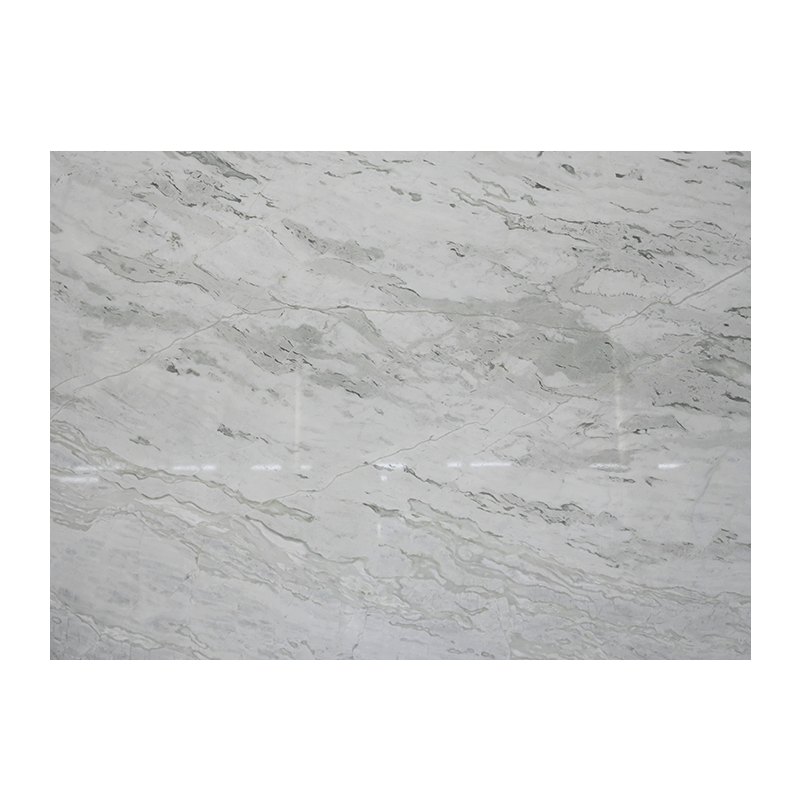
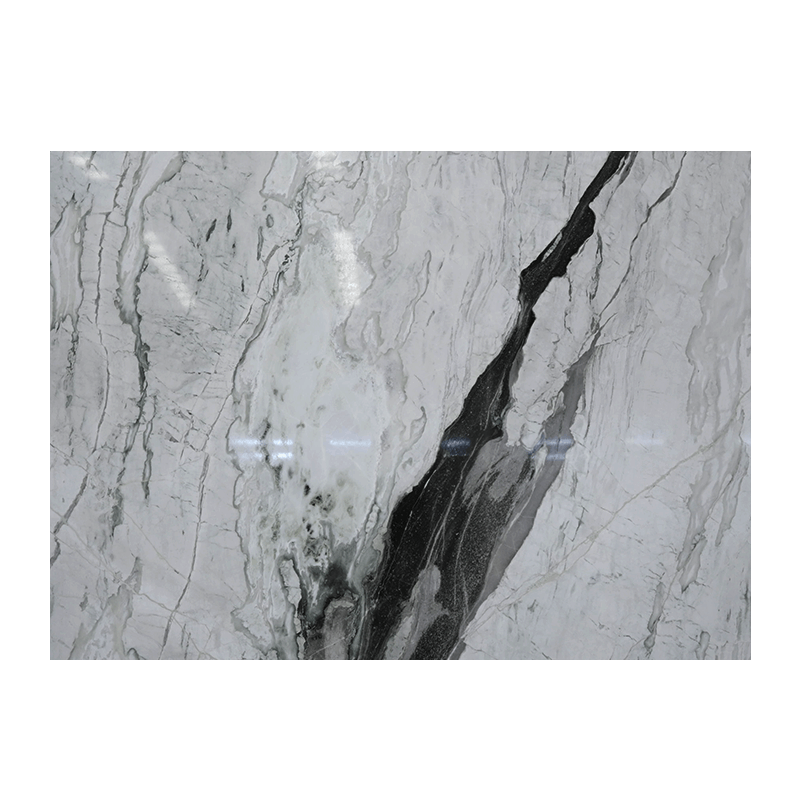
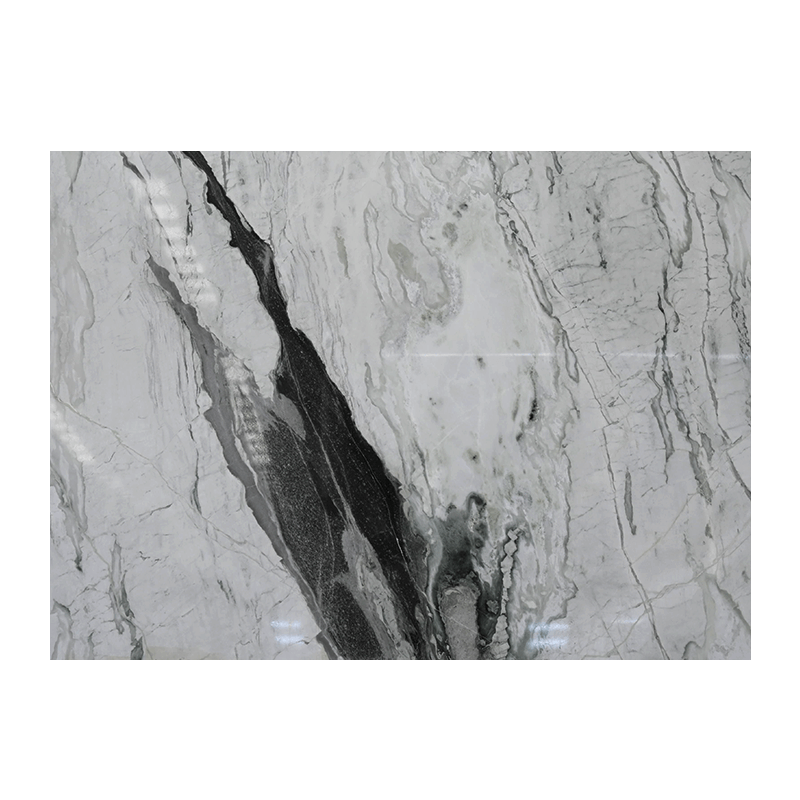
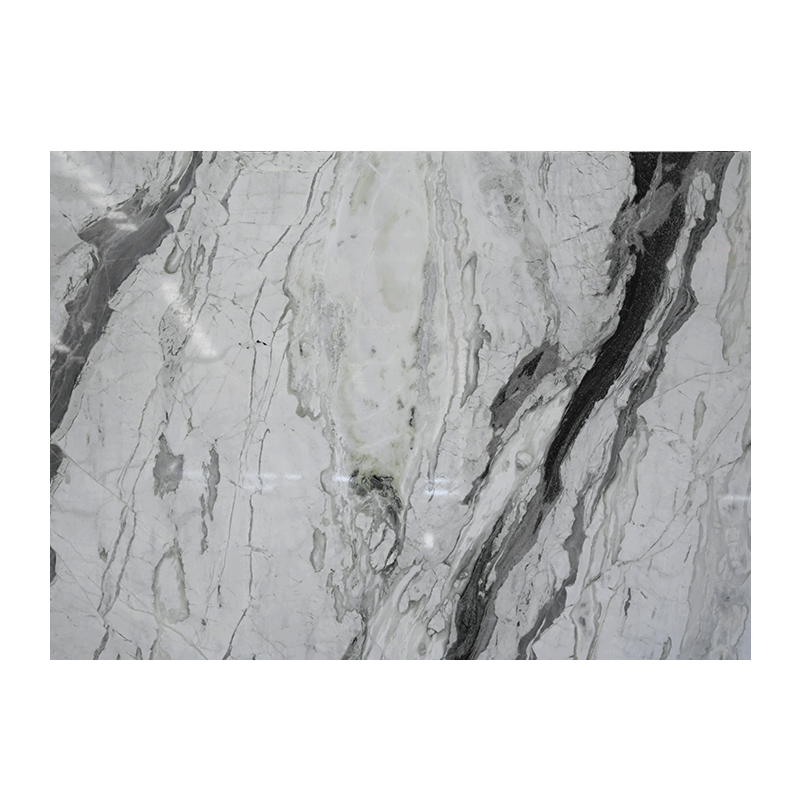
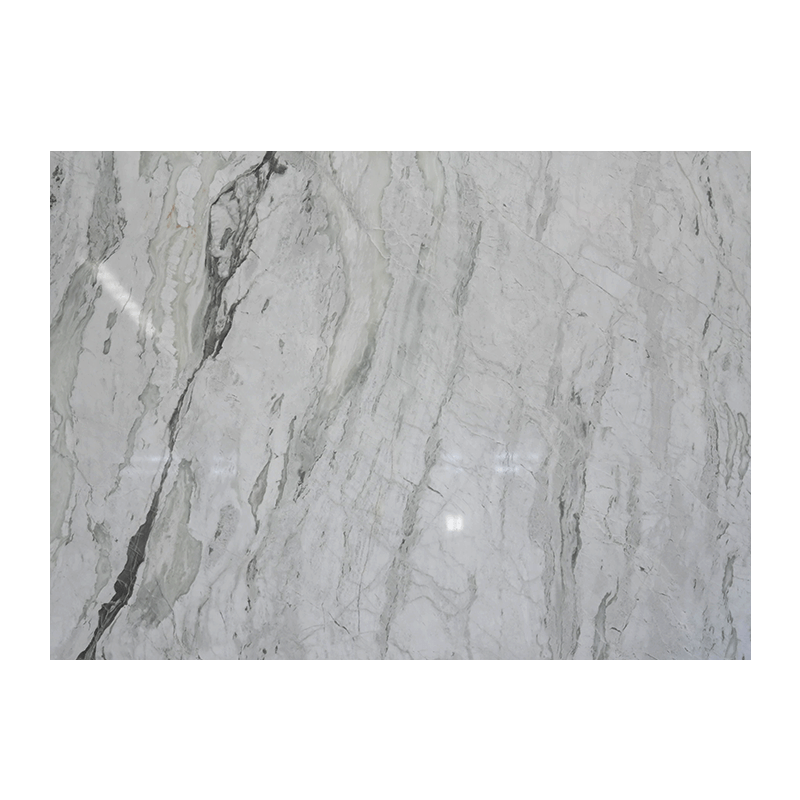
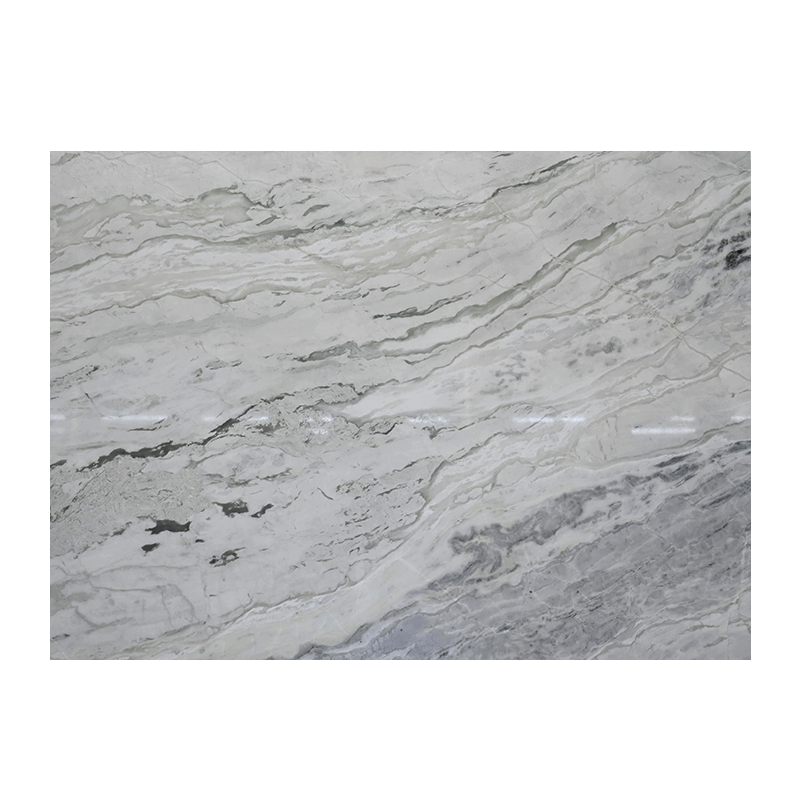
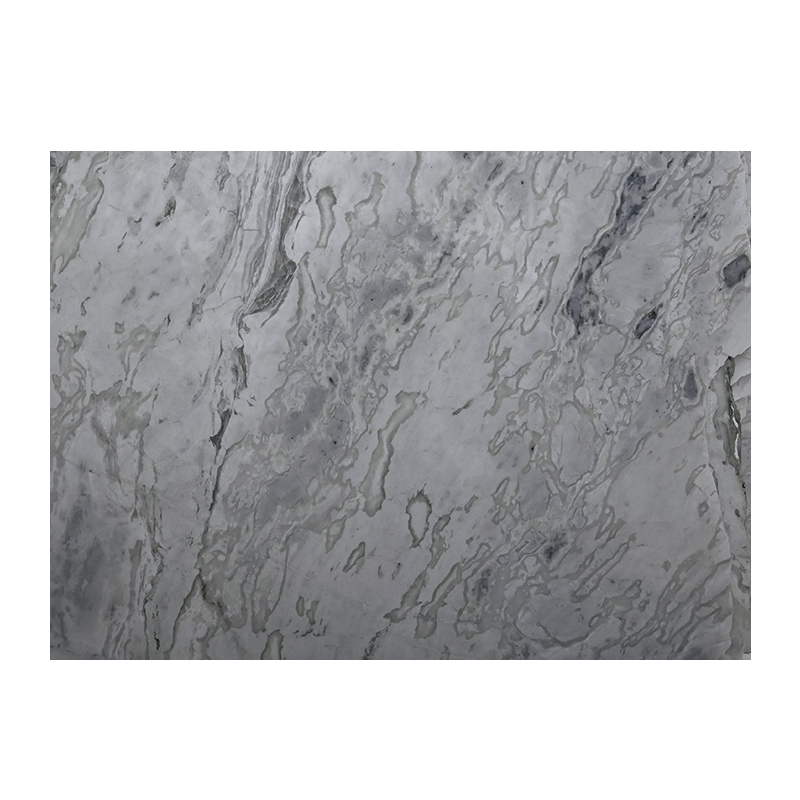
White marble is the most requested family in mosaic work. Carrara is the standard choice for bright bathrooms, while Calacatta offers bolder veining and a more expensive look. Thassos sits at the bright end of the range, with a dense structure that polishes well. Because the final mosaic tone depends on the raw material, it is worth comparing the source blocks before ordering. Our white marble block range is a practical reference before ordering a white mosaic, because it shows how much the background tone can vary between slabs.
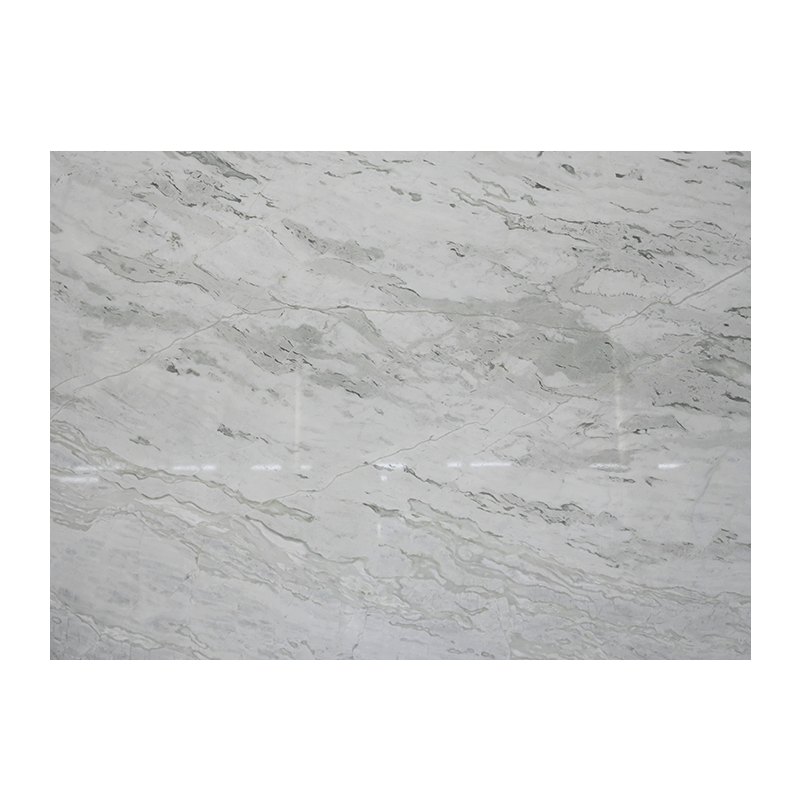 Wholesale White Marble Blocks Suppliers, ManufacturersAs China White Marble blocks suppliers and White Marble manufacturers, Jiangsu Pinhe Stone Industry Co., Ltd. offers wholesale White Marb...View Product →
Black marble is the strongest contrast option in mosaic design. Nero Marquina is the most common variety, with white veins over a deep black background, while Portoro adds golden movement for a more opulent feel. Black mosaics are usually reserved for borders, floor accents, and feature walls, because the dark surface hides stains but shows dust and water marks. If you are planning a dark mosaic, start with the black marble block options, because the depth of the black base is set at the block stage.
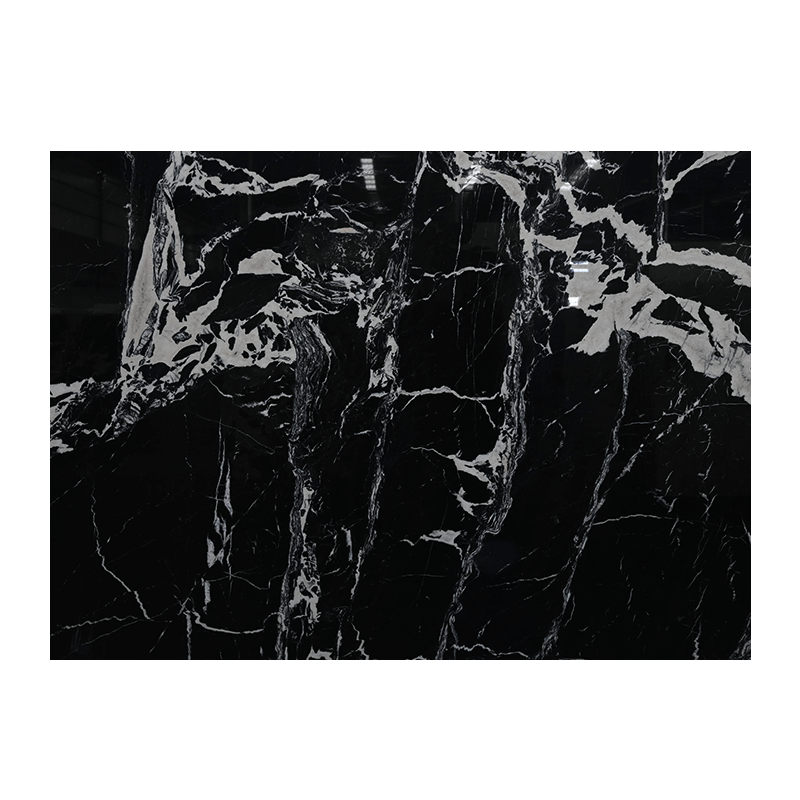 Wholesale Black Marble Blocks Suppliers, ManufacturersAs China Black Marble blocks suppliers and Black Marble manufacturers, Jiangsu Pinhe Stone Industry Co., Ltd. offers wholesale Black Marb...View Product →
Beige and cream marbles are the workhorses of residential and hotel projects. Crema Marfil and Botticino pair with almost any palette and do not show the same dramatic veining as white or black stones, which makes them easier to match across multiple sheets. Grey marble is the modern neutral. Pietra Grey has a compact structure and a calm, uniform background that suits minimal interiors. Green marble, often sourced from Guatemala, brings a distinctive color that works well in spa bathrooms and nature-inspired designs. Brown and gold marbles are less common but add warmth to feature walls, fireplace surrounds, and reception areas.
After the marble type is settled, the next decision is the format. Most marble mosaics arrive as mesh-mounted sheets, with small stone pieces glued onto a fiberglass or PVC backing. Standard sheet sizes are 300 x 300 mm and 300 x 600 mm, and individual pieces range from 10 x 10 mm up to 50 x 50 mm. Mesh sheets keep the spacing even and speed up installation; loose tiles are normally used only for large pieces and decorative borders.
A pattern is not a separate product category. It is an arrangement of the same basic stone pieces, and the result depends on the geometry of the cutting and the layout of the mesh. A few patterns cover most residential and commercial projects:
The pattern is fixed at the factory, so the quality of the mesh matters as much as the stone. A stiff backing or glue that fails under the trowel will slow the installation and can pull the pattern out of alignment. If you are evaluating assembled mosaics rather than loose pieces, the marble mosaic tile collection in our catalog gives a good overview of the standard formats and sheet sizes available.
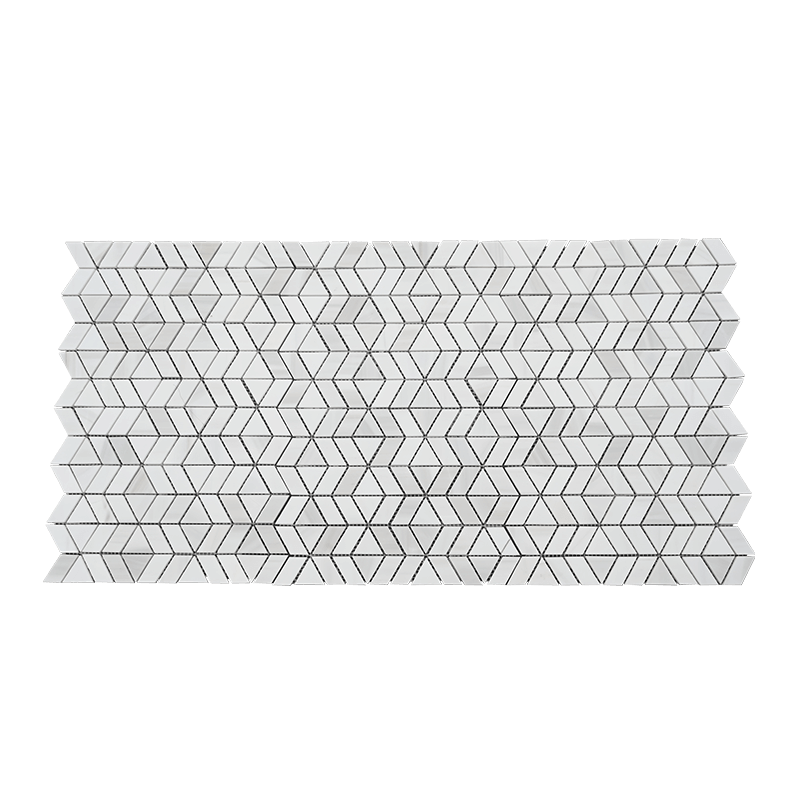 Polished Marble Mosaic Tiles/Wall Manufacturers, Suppliers, FactoryJiangsu Pinhe Stone Industry Co., Ltd. is China polished marble mosaic tiles manufacturers and shower wall suppliers, our factory offer O...View Product →
The finish controls both the look and the safety of the mosaic. Polished marble has a glossy, reflective surface and is the default for walls, backsplashes, and decorative panels. Honed marble has a matte surface and less slip risk, which makes it a better choice for bathroom floors. Brushed and tumbled finishes add texture and a slightly aged appearance; they hide scratches well and are often chosen for floor borders. Each finish changes how light moves across the small tile faces, so the same marble pattern can look completely different in polished and honed versions.
On floors, pay close attention to slip resistance. Polished marble can become slippery when wet, especially in showers where soap residue builds up. Honed, brushed, or tumbled pieces grip better and are the safer option for wet areas. On walls, the choice is mainly visual: polished stone makes a room feel brighter, while honed stone reduces glare and shows fewer fingerprints.
The finish also affects maintenance. Polished marble is more vulnerable to etching from acidic liquids such as lemon juice, vinegar, and certain cleaning products. Honed and tumbled surfaces are more forgiving. This applies to mosaics in exactly the same way it applies to large-format slabs. We explain the practical details in a separate guide on the specific maintenance requirements for keeping polished marble mosaic tiles in good condition.
Before placing an order, review the production details that are easy to overlook but hard to fix later.
A well-made marble mosaic starts with a well-chosen marble type, a format that matches the installation, and a finish that fits the space. When these three decisions are aligned, the installation proceeds smoothly and the remaining risks, such as natural variation and routine maintenance, become manageable instead of unpredictable.


Factory Address: NO.8,WEST BINHAI ROAD,LAOBAGANG(JIAOXIE TOWN),BINHAI NEW AREA,HAIAN COUNTY,NANTONG,JIANGSU,CHINA


+86-15221350573

+86-571-86632298
 English
 Español
 русский
 عربى
عربى