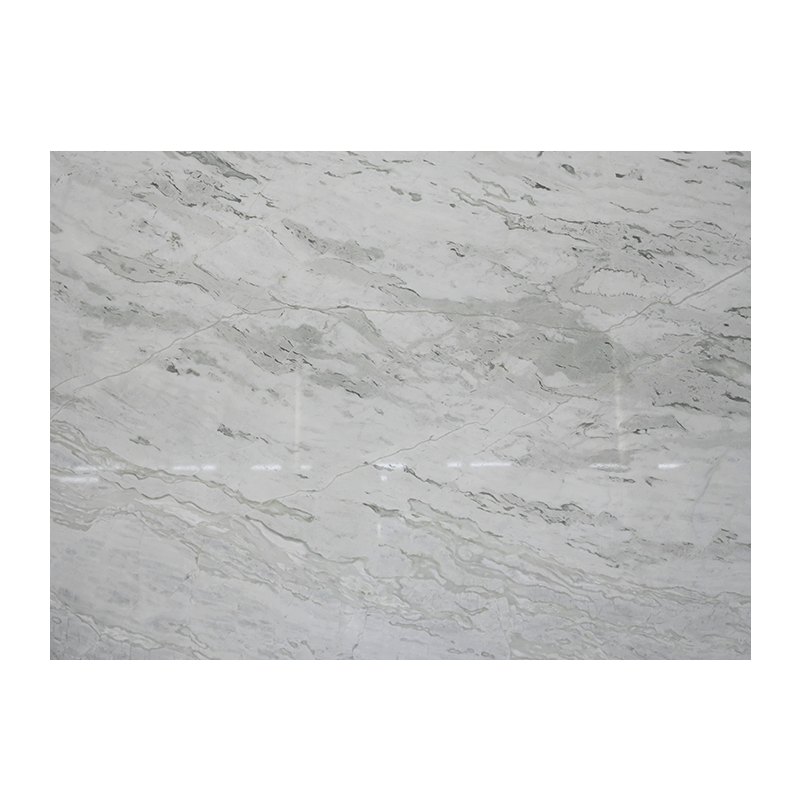
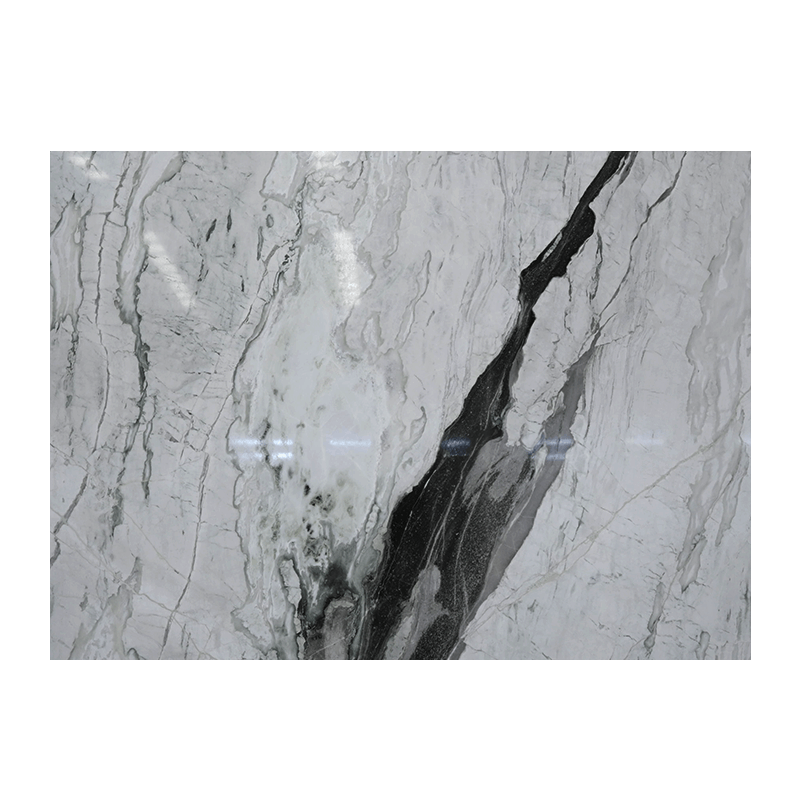
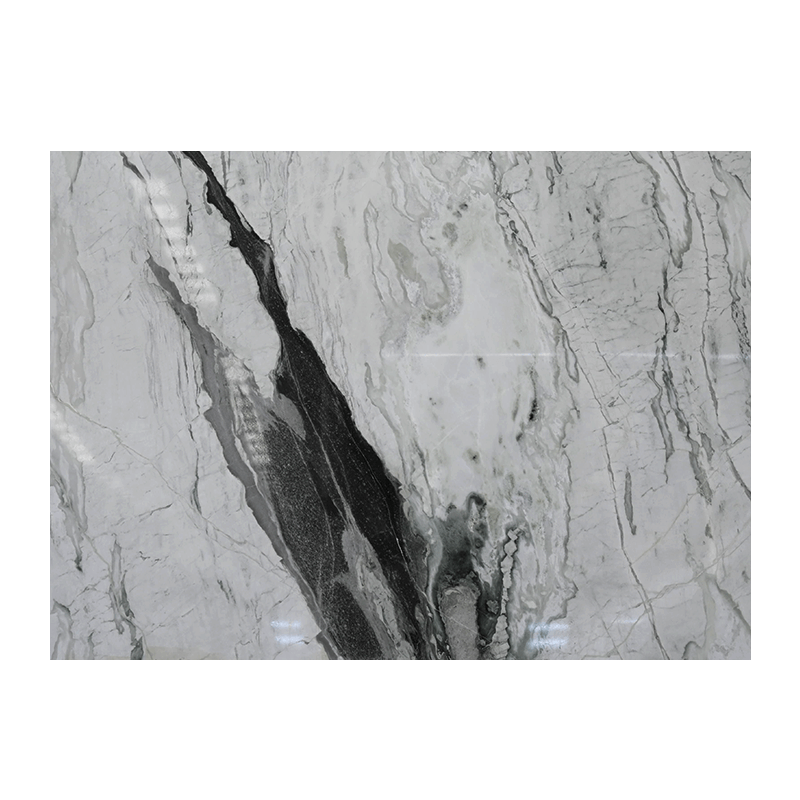
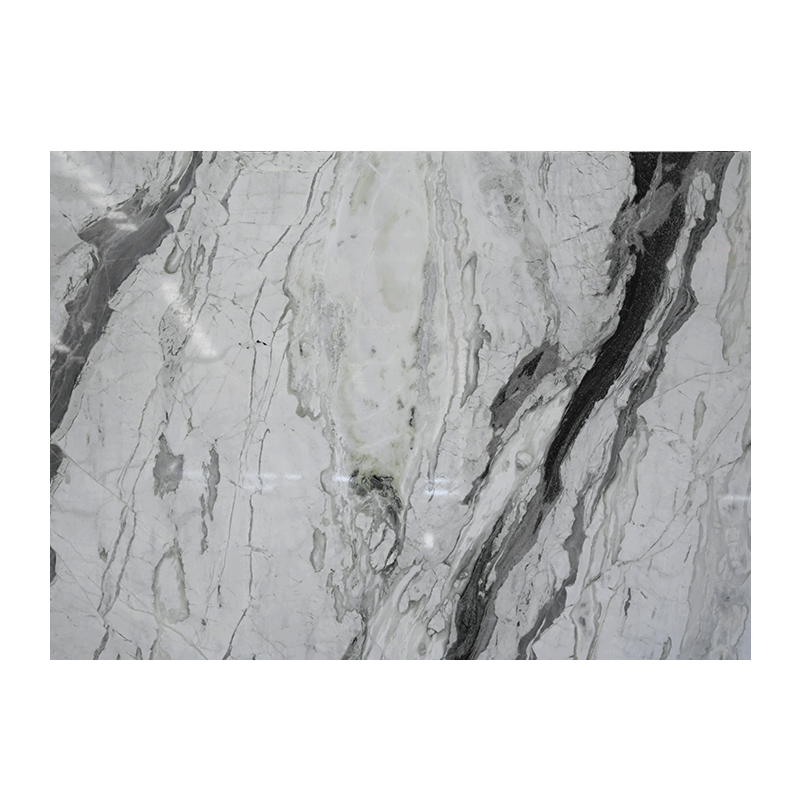
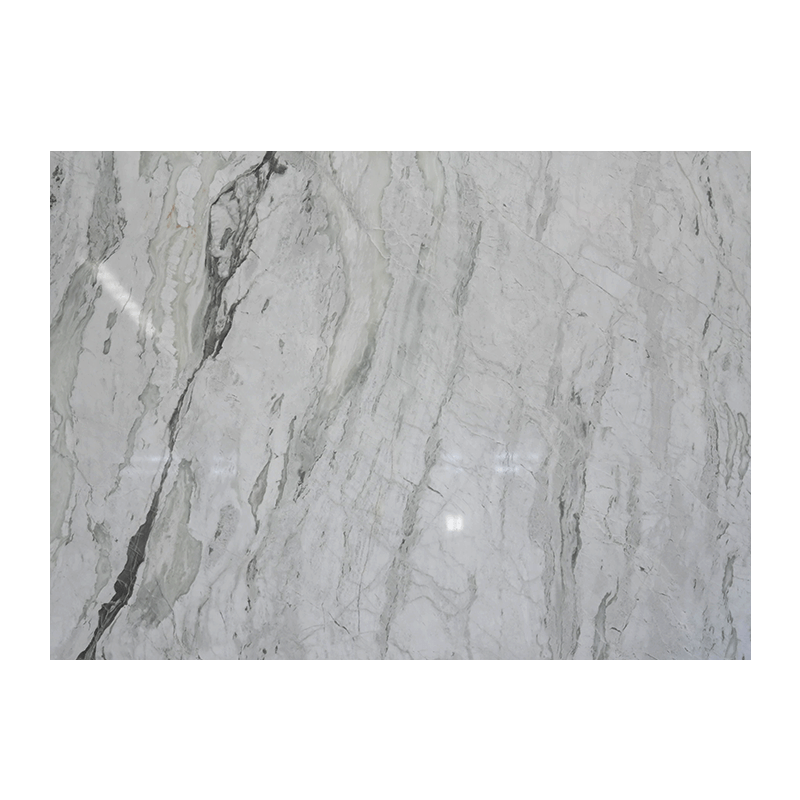
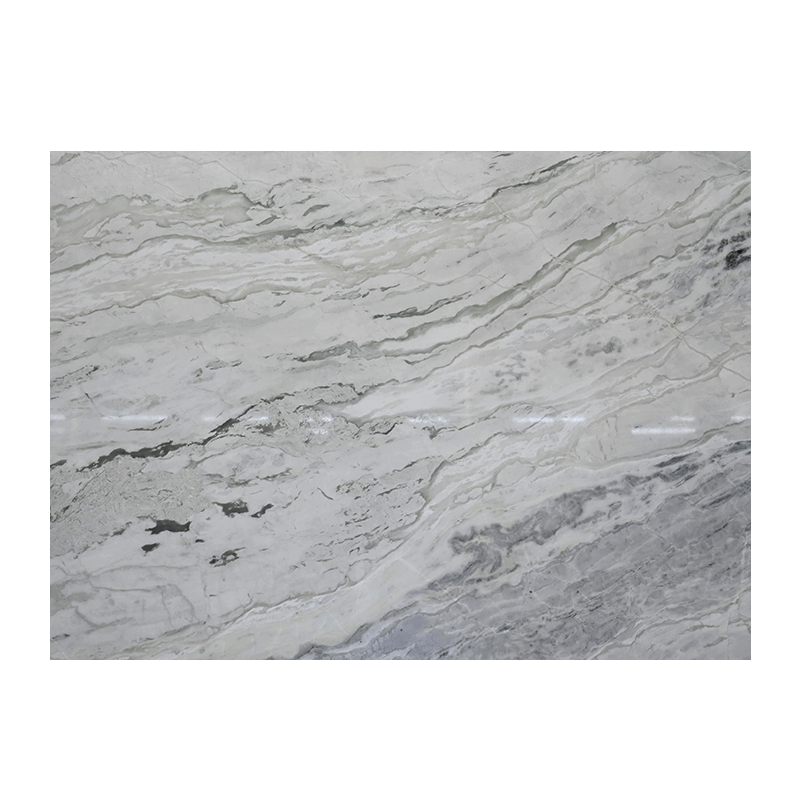
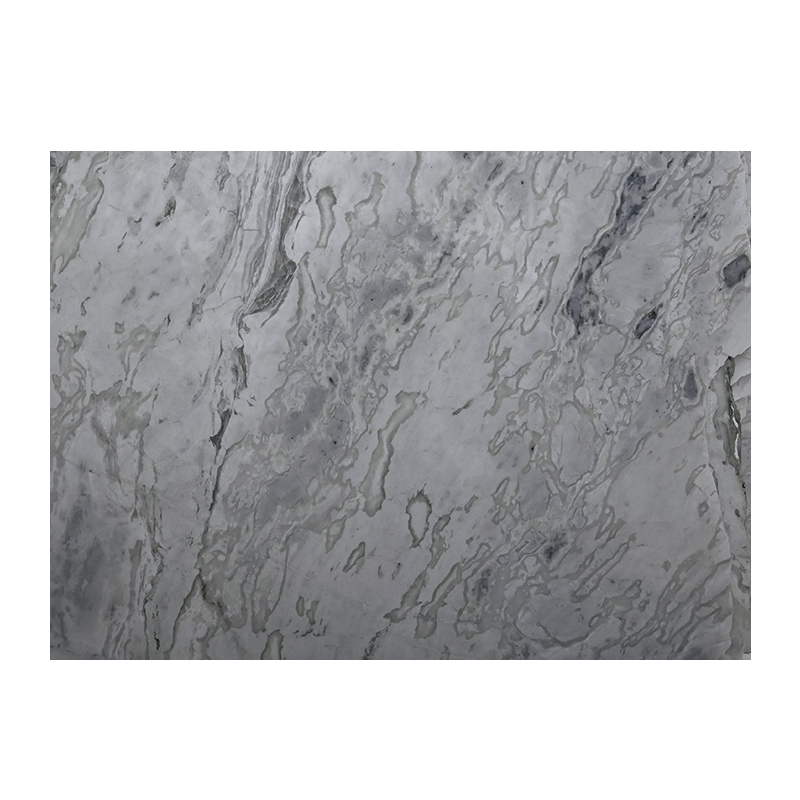
Mosaic is the most forgiving way to put marble underfoot in a wet room. What decides success is not the stone itself, but the slope, finish, grout, and sealing habits that arrive with it.
Picture the moment of decision: a 12x12-inch sheet of honed white marble mosaic in one hand, a porcelain imitation in the other, and a salesperson warning that real stone in a shower is a headache. The warning contains truth, but it skips the part that matters. So here is the answer first: yes, marble mosaic tile can be used on a shower floor, and the mosaic format is the most sensible way to use marble in that position.
Small chips trace the curve of a sloped pan, the dense grid of grout joints adds grip that no large polished tile can match, and a honed surface quietly absorbs the marks of daily life. What the material cannot survive is neglect: acidic cleaners, standing water, skipped sealing, or a flat, badly waterproofed pan. Get those details right and the floor ages gracefully for decades; miss one and it will tell on you within months.
A shower floor is the hardest-working surface in the bathroom. It has to move water toward the drain, stay sure-footed under wet feet, and shrug off shampoo, body oils, and cleaning products. Standard practice slopes the pan at roughly 1/4 inch per foot toward the drain, and that slope is exactly where large-format tiles struggle: each one would sit slightly out of plane, producing lippage and a hollow rock underfoot. Three structural advantages make small-format mosaic the better carrier for marble:
North American specifications commonly ask for a wet DCOF of 0.42 or higher on interior wet floors, yet natural stone mosaics are not always laboratory-tested for it. The safeguards you control are practical ones: choose a honed or tumbled finish rather than polished, keep joint spacing tight, and detail the drain correctly. Browse any properly built marble mosaic range and you will notice the format itself does much of the safety work, because chip size, finish, and joint width are engineered together.
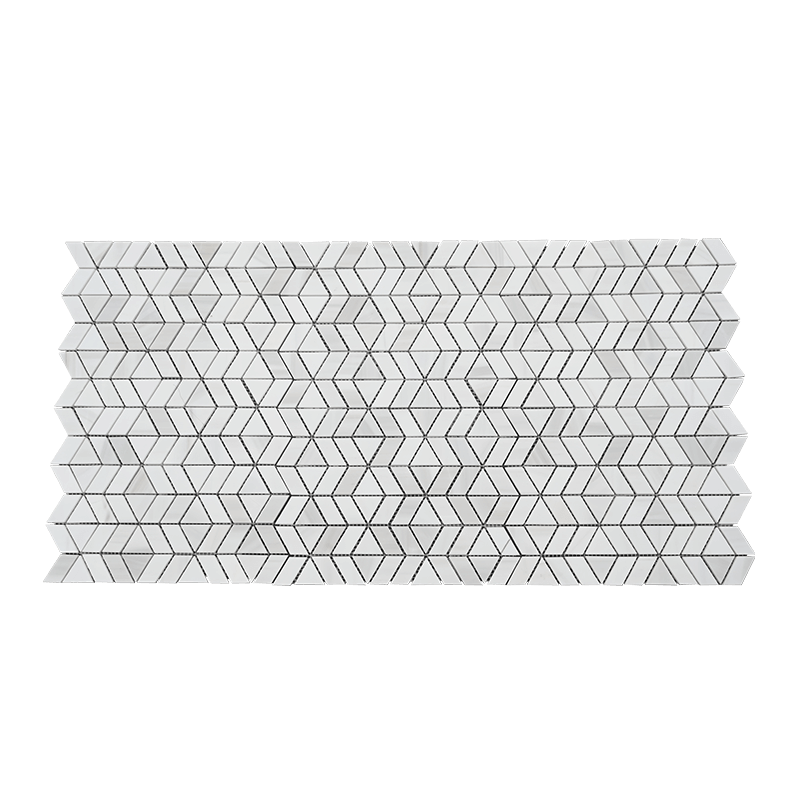 Polished Marble Mosaic Tiles for Walls and FloorsMade from natural marble cut into small chips, these mosaics suit walls, floors, columns, and stairs with custom sizing available. In wet areas, chip size, finish, and joint width work together toward safer flooring.View Product →
Marble is calcium carbonate, around 3 on the Mohs scale, and it reacts with anything acidic. A steel knife will scratch it. Its water absorption is low for a natural stone, commonly between 0.1% and 0.4% by weight, but low is not zero. Water that lingers on the surface migrates into pores and grout joints, and three failure modes follow.
Vinegar-based sprays, lemon cleaners, and some shampoos and body washes dissolve a microscopic layer of the surface and leave dull, rough marks known as etching. Polished marble shows them sharply; a honed finish blends them into the matte texture. This is the strongest single argument against polished stone on a floor that collects shower products every day.
Oils, colorants, and hard-water minerals settle into open pores and porous grout. A penetrating sealer does not make marble waterproof; it buys time, so a drop of conditioner beads on the surface instead of soaking in. Your cleaning routine lives inside that window of time.
Some white and cream varieties carry natural iron deposits, and where water sits long enough, those deposits can yellow or rust. Sourcing matters more than sealing here: a supplier who selects stone at the block stage can screen out the worst offenders before they ever reach your bathroom.
| Finish | Grip when wet | Etch visibility | Upkeep load | Best use |
|---|---|---|---|---|
| Polished | Lowest | High, dull spots stand out | Highest | Walls, vanities, accent bands |
| Honed | Moderate | Low, marks blend into the matte surface | Moderate | Shower floors in most homes |
| Tumbled | Highest | Low | Moderate | Rustic schemes, maximum traction |
Most disappointing marble shower floors are not bad stone; they are bad assemblies. The mosaic is only the visible layer of a system, and the system beneath it has four non-negotiable parts:
Grout deserves its own decision. On a mosaic, joints are a large share of the visible surface, and standard cement grout is porous and stain-prone. Epoxy grout costs more and is fussier to spread, but it resists staining, needs no sealing, and holds its color in permanent humidity. For a marble shower floor, it is usually the smarter spend.
Fabrication quality is the quiet variable. Well-made sheets are cut and calibrated so every chip sits at the same thickness, with clean edges that knit into a flat field; inconsistent chips telegraph every deviation through the finished floor. That is why buying from a fabricator that runs its own cutting and finishing lines changes the outcome more than any label on the box.
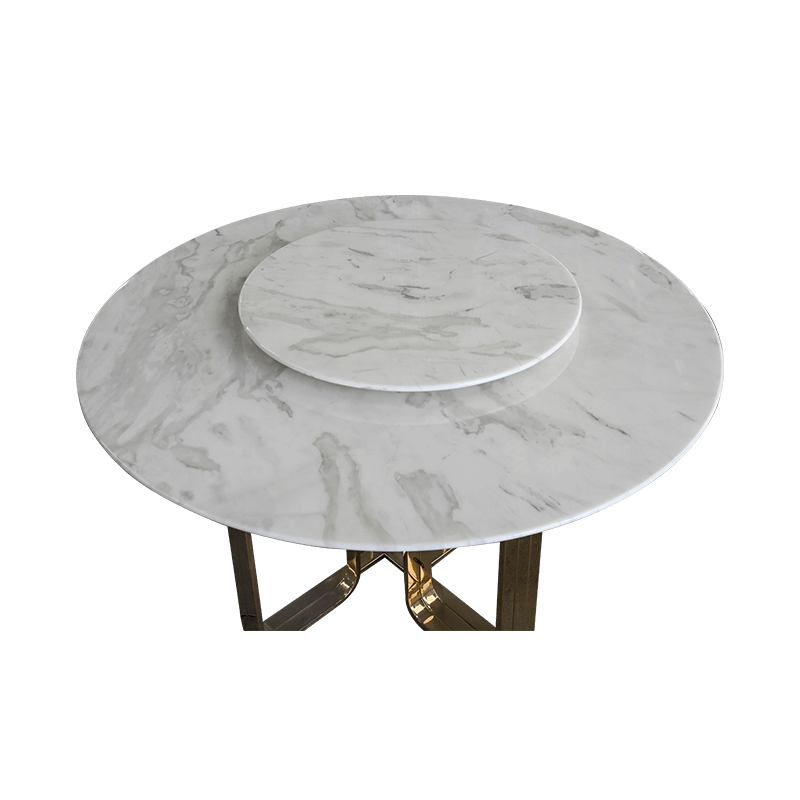 Custom Marble Finished Products Cut to SpecificationFabrication quality determines whether a marble floor lies flat. This supplier cuts, edges, and polishes marble pieces to customer dimensions, so chips arrive at consistent thickness with clean edges ready to install.View Product →
The trade is straightforward: give the floor ten minutes of attention a week and a sealing session twice a year, and it holds its finish for decades. The floors that fail are almost always the ones nobody sealed, squeegeed, or ventilated.
Marble does not ask for more work than other stone. It asks for work on schedule: squeegee after showers, run the exhaust fan, test the sealer with a single drop of water. Consistency, not effort, is the whole trick.
| Task | Frequency | Why it matters |
|---|---|---|
| Squeegee the floor and walls after use | Every shower | Removes standing water before it stains or leaves mineral film |
| Clean with a pH-neutral stone cleaner | Weekly | Cleans without attacking the calcium carbonate surface |
| Test and renew the penetrating sealer | Every 6 to 12 months | Keeps pores closed so water and oils stay on the surface |
| Poultice stubborn stains | As needed | Draws oils and organic stains back out of the stone |
| Inspect grout joints and drainage | Twice a year | Cracked grout lets water reach the membrane and substrate |
The same logic applies to polished mosaic on any surface, only faster underfoot. We cover the specific maintenance requirements for polished marble mosaic tiles in a separate guide, including how to judge when a sealer has genuinely worn off.
Color and finish are matters of taste. Batch consistency is a procurement decision, and it is settled before the tile leaves the factory. Put four questions to any supplier: Are the chips calibrated to a uniform thickness? How wide is the color variation between batches? Is the mesh backing sound and flexible? What cleaning and sealing regimen does the product guidance actually require?
For white marble, add a fifth: how was the material selected for iron content? This is where supply chains differ sharply. When one company controls block selection, cutting, calibration, and inspection — the model of a specialized marble project supplier that has spent 14 years delivering five-star hotel and residential projects, with its own testing lab behind the saw line — those five questions are answered before you think to ask them.
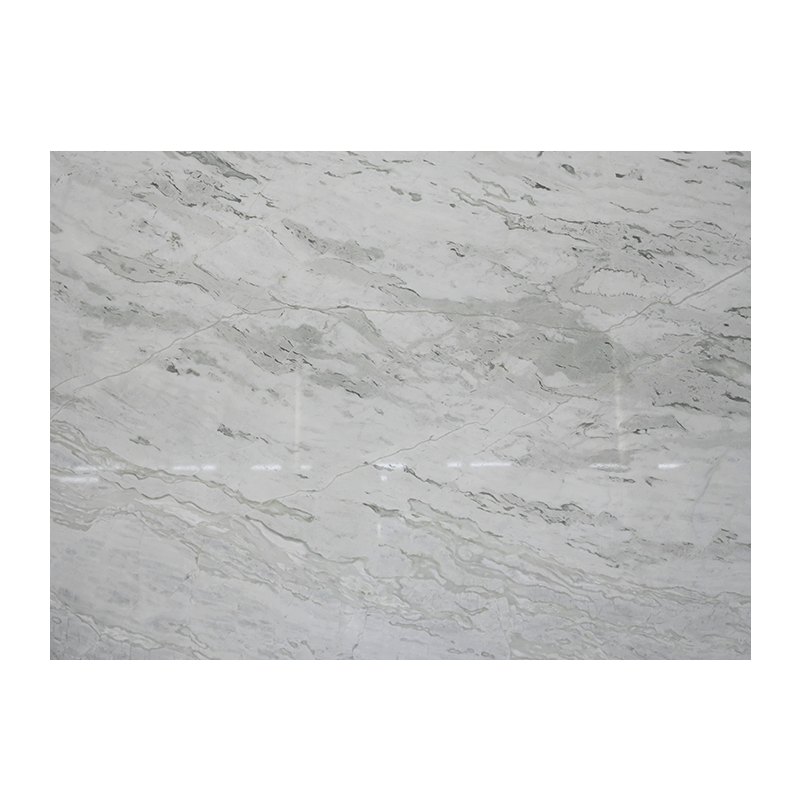 White Marble Blocks from a Controlled Supply ChainWhite marble blocks are selected with attention to iron content, which matters for white installations. With block selection through inspection handled by one supplier, material consistency is addressed before cutting begins.View Product →
Can you use marble mosaic tile on a shower floor? Yes — and of all the ways to bring marble into a shower, mosaic is the format most forgiving of real life. The chips follow the slope, the joints provide the grip, and a honed finish takes the small collisions of daily use in stride.
What the material asks in return is specificity at ordering time and discipline afterward: a honed or tumbled finish, epoxy or well-sealed grout, a correctly sloped and waterproofed pan, and a sealing calendar you actually keep. Treat those as part of the purchase rather than fine print, and you end up with the floor you fell for in the showroom. Skip them, and you become the forum post that scares the next buyer away.


Factory Address: NO.8,WEST BINHAI ROAD,LAOBAGANG(JIAOXIE TOWN),BINHAI NEW AREA,HAIAN COUNTY,NANTONG,JIANGSU,CHINA


+86-15221350573

+86-571-86632298
 English
 Español
 русский
 عربى
عربى