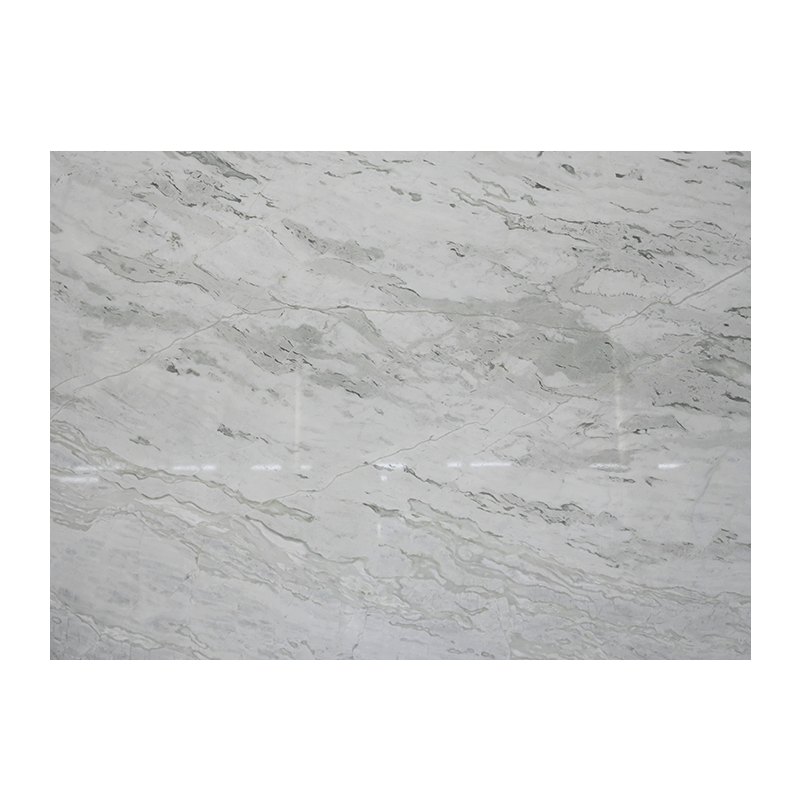
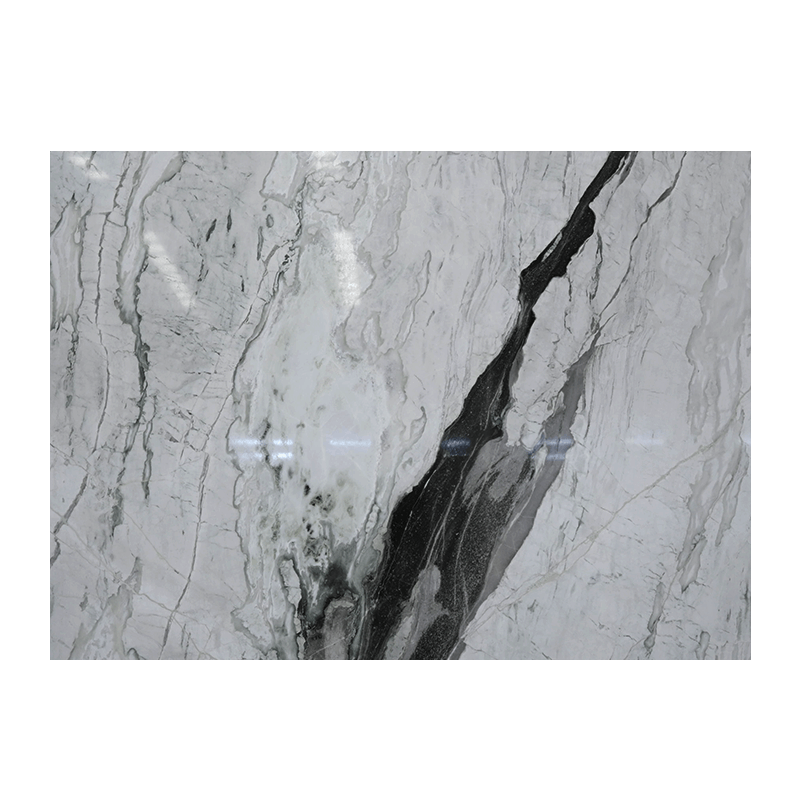
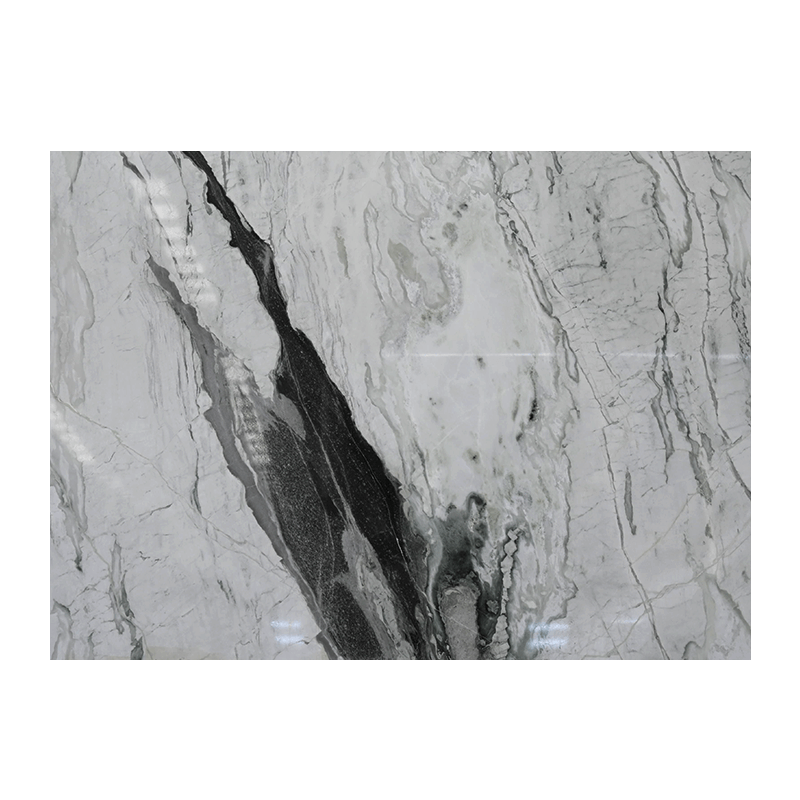
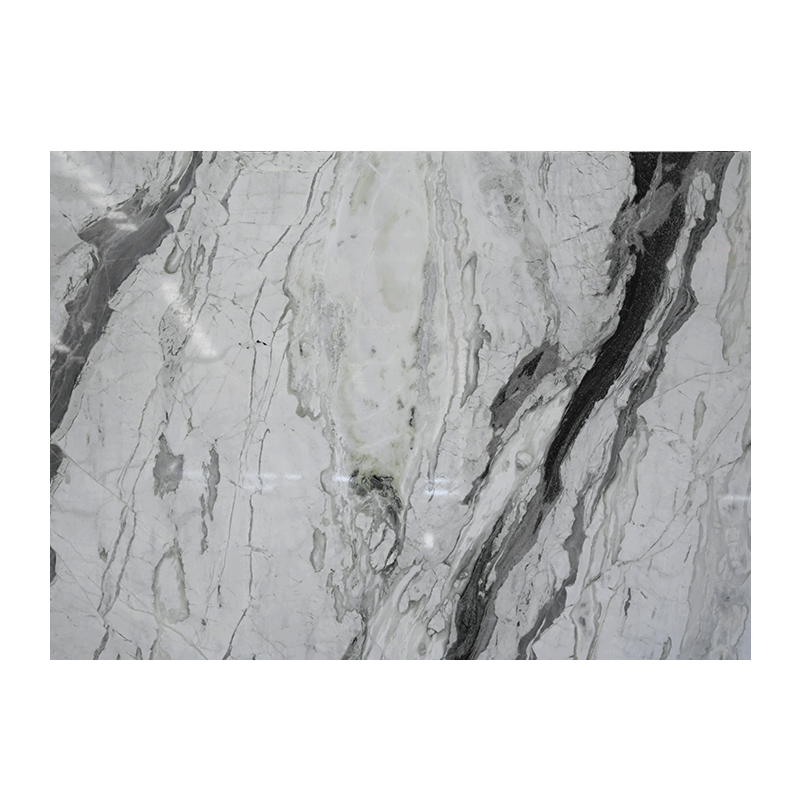
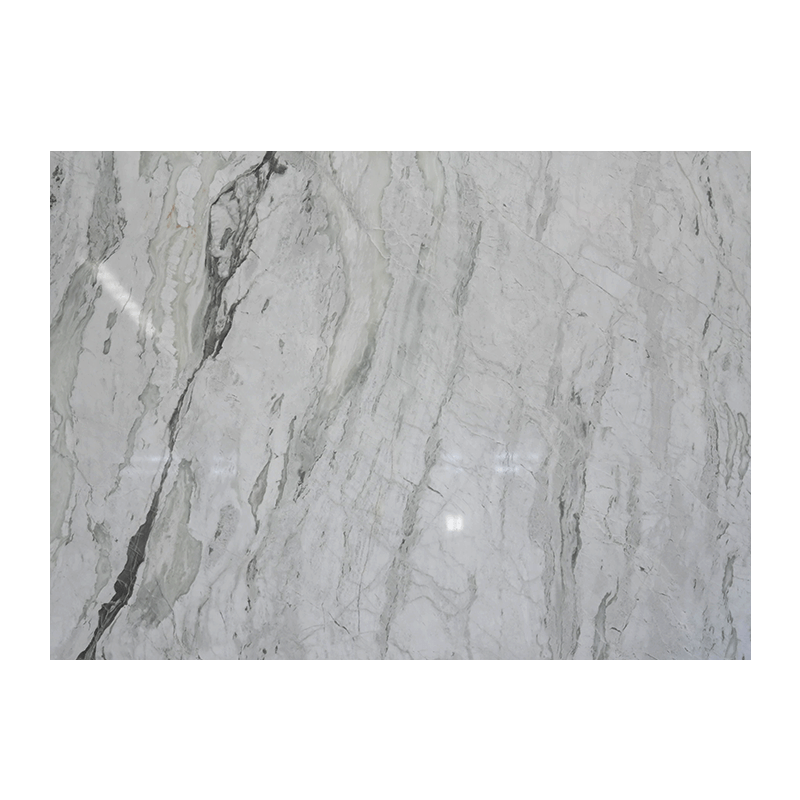
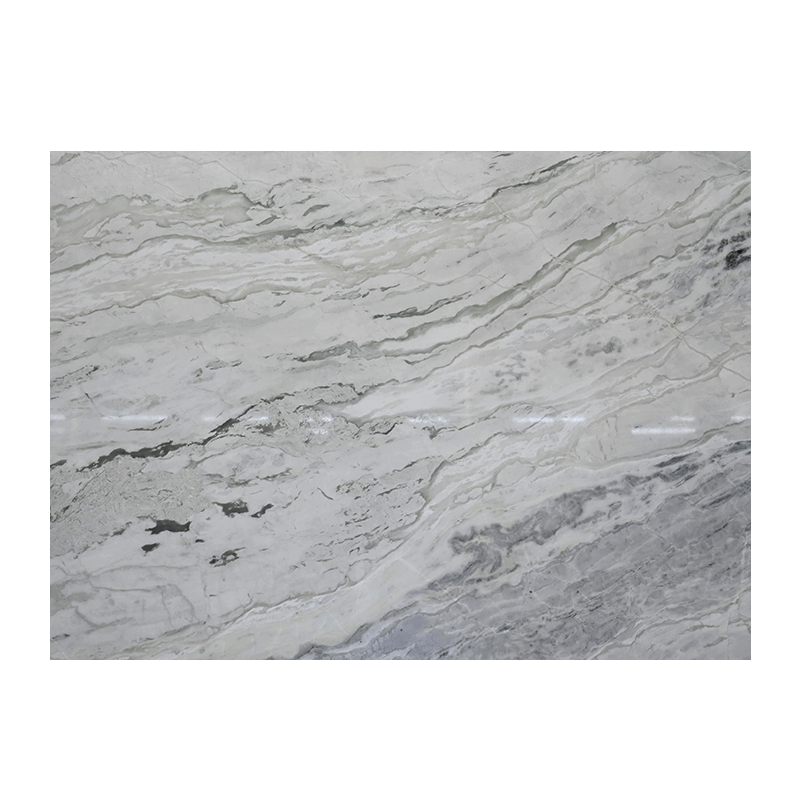
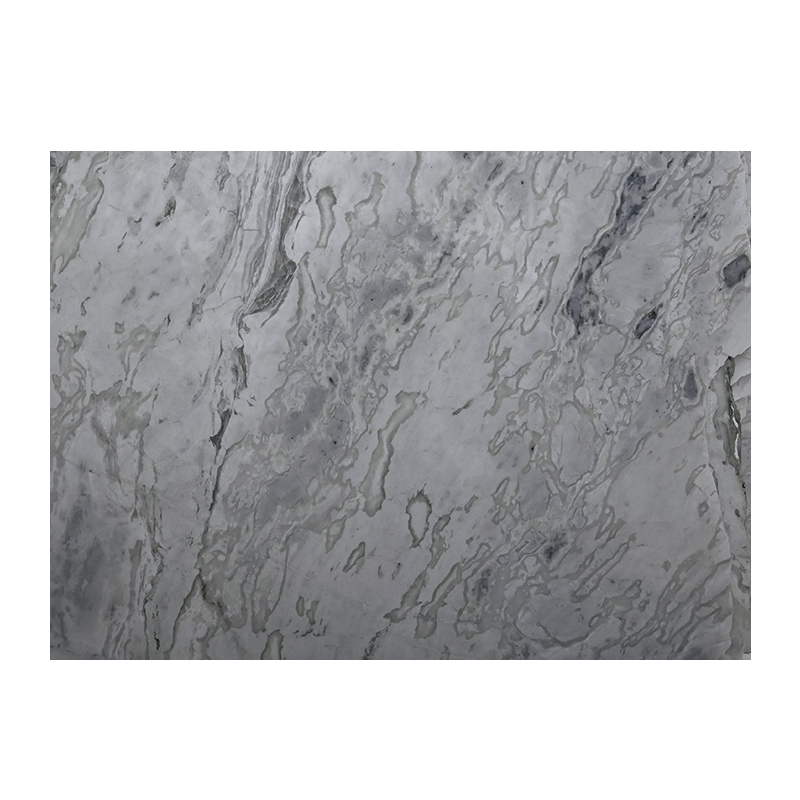
Walk into a tile showroom and you will see the same format repeated across many displays: small squares of natural marble glued to a mesh sheet, ready to install like any other tile. That product is marble mosaic tile. In technical terms, marble mosaic tile is a decorative surfacing material made by cutting natural stone into small pieces, usually between 15 mm and 50 mm, arranging them in a pattern, and bonding them to a mesh or paper backing so the whole sheet can be handled in one piece. The individual fragments are called tesserae, and they give the surface a texture, depth, and visual rhythm that a flat slab cannot match.
For a designer or a homeowner, the value of marble mosaic tile is its flexibility. It wraps around curved walls, fits inside shower niches, follows the slope of a floor drain, and turns leftover stone into a separate product with its own market. It is also easier to measure than slab work, which is one reason it appears in both residential bathrooms and five-star hotel interiors. The finished look, however, hides a multi-step manufacturing process. Knowing how the tile is produced, what formats are available, and how to evaluate quality separates a surface you will be happy with for decades from one that fails within a year.
Marble mosaic is not one product. It is a family of products defined by three attributes: the type of stone, the size of the tesserae, and the backing system.
Because marble is a natural material, no two sheets are identical. Color and veining vary by quarry and by block, so buying marble mosaic means selecting a stone family rather than a printed pattern. That variation is what gives the material its character, but it also creates the risk of color mismatch between batches. A reliable supplier sends physical samples and shows photos of the actual batch before shipping. If you are evaluating this format for an upcoming project, a useful starting point is a marble mosaic tile collection that shows how the same stone family behaves in different tessera sizes and mesh formats.
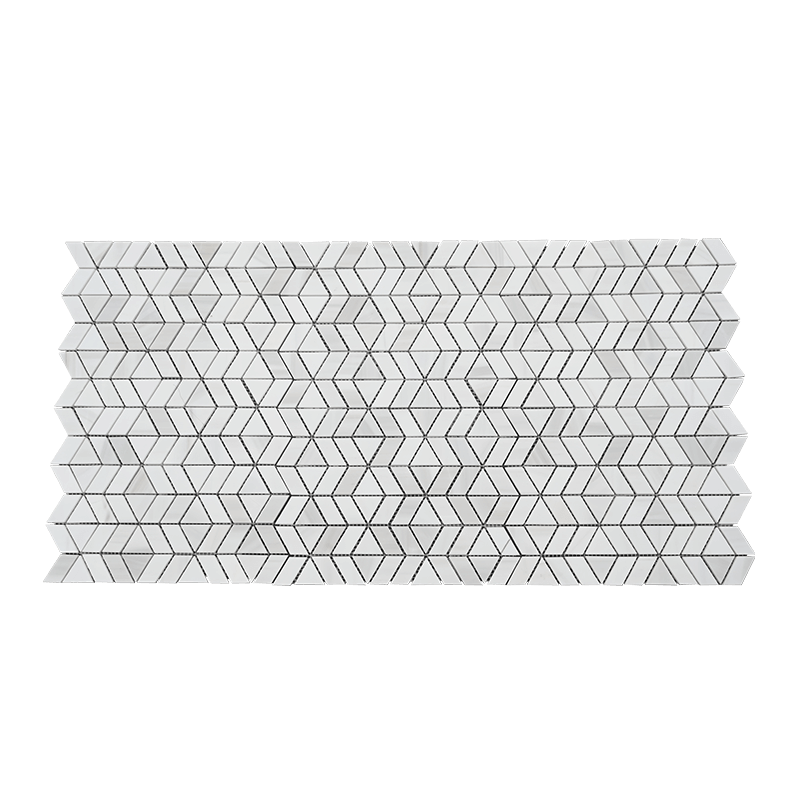 Polished Marble Mosaic Tiles/Wall Manufacturers, Suppliers, FactoryJiangsu Pinhe Stone Industry Co., Ltd. is China polished marble mosaic tiles manufacturers and shower wall suppliers, our factory offer O...View Product →
The manufacturing route determines most of the quality you will see on a wall. Marble mosaic starts at the quarry, where blocks are sawn into slabs. The slabs are cut into strips, and the strips are crosscut into squares or shaped pieces. Those tesserae are calibrated to a consistent thickness, polished on the face and edges, sorted by tone, and then placed face-down on a template and bonded to fiberglass mesh or paper. After the adhesive cures, each sheet is inspected, packed, and crated for export.
Three steps matter most. First, the original block must be sound; hidden cracks and color banding carry directly into the small pieces. Second, calibration must be accurate, because uneven thickness appears as lippage after installation. Third, the mounting line must keep consistent gaps between tesserae, or the grout lines will look wider on one sheet than on the next.
For light-colored schemes, we start from our white marble block supply. White marble is the most predictable choice for mosaic because it reflects light, accepts a wide range of grout colors, and its subtle gray veining reads as texture rather than a defect. For warm schemes, beige marble does the same job with a softer, more grounded feel.
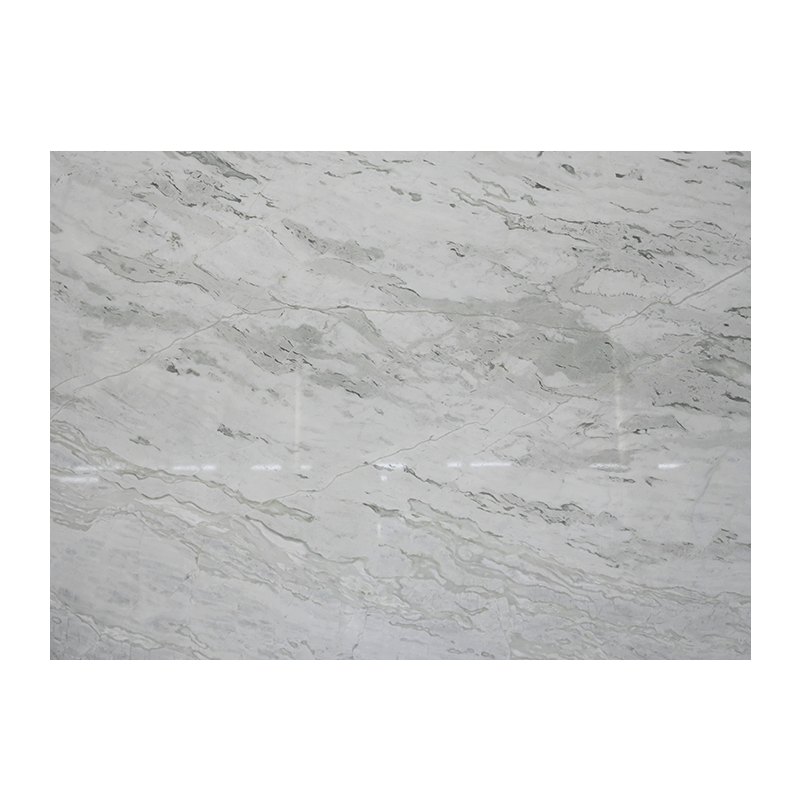 Wholesale White Marble Blocks Suppliers, ManufacturersAs China White Marble blocks suppliers and White Marble manufacturers, Jiangsu Pinhe Stone Industry Co., Ltd. offers wholesale White Marb...View Product →
There is no single international standard for marble mosaic, but a small set of formats covers most project specifications. The table below lists the dimensions you are likely to meet in supplier catalogs.
| Format | Tessera size | Sheet size | Typical use |
|---|---|---|---|
| Square | 15 x 15 mm | 300 x 300 mm | Kitchen backsplash, shower walls |
| Square | 23 x 23 mm | 320 x 320 mm | Bathroom walls, feature strips |
| Square | 48 x 48 mm | 305 x 305 mm | Floors, feature walls, vanities |
| Brick | 25 x 50 mm | 300 x 300 mm | Linear and contemporary patterns |
| Hexagon | 20 x 23 mm | 305 x 305 mm | Shower niches, decorative panels |
| Mixed | 15-40 mm | 300 x 300 mm | Pool edges, rustic feature areas |
Two installation details matter as much as the stone itself. Joint width is the first: most mesh-mounted mosaics use gaps of 1 mm to 3 mm. Wider joints make the tile more forgiving of an uneven substrate but expose more grout, which changes the final color balance. The second detail is the mesh color. White mesh almost disappears under light grout, while gray or black mesh can shadow through translucent light stones, so the mesh should be matched to the grout you plan to use.
The right location for marble mosaic depends on the format, the finish, and the traffic level. In wet areas, sealing is mandatory. In dry decorative areas, maintenance stays light.
For a room-by-room discussion, we wrote about the occasions where marble mosaic is most suitable. In dry interior spaces, almost any marble mosaic works. In showers and on floors, the finish and the sealing schedule decide whether the tile lasts for fifteen years or fifteen months.
Because marble mosaic passes through many manual and mechanical steps, batch quality varies more than with a ceramic tile. Run these checks on samples before you place an order.
The fastest quality check is asking what the mosaic was made from. A beige marble block with uniform tone yields calm, cohesive sheets, while a blend of offcuts from several blocks produces visible color shifts between sheets. The same logic applies to white, gray, and black marble, so always request batch photos before committing to a large order.
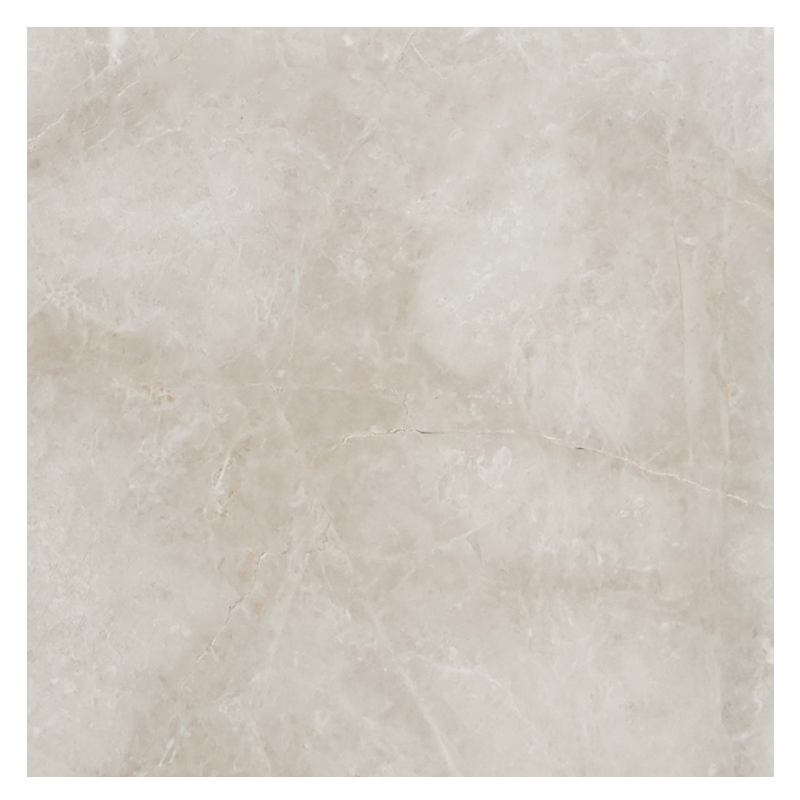 Wholesale Beige Marble Blocks Suppliers, ManufacturersAs China Beige Marble blocks suppliers and Beige Marble manufacturers, Jiangsu Pinhe Stone Industry Co., Ltd. offers wholesale Beige Marb...View Product →
Marble mosaic needs the same care as any natural stone, with one extra rule: the grout lines are the first place problems appear. Seal the tile after installation and before grouting, then reseal every one to two years in wet areas. For daily cleaning, use a pH-neutral stone cleaner with a soft cloth or mop. Avoid vinegar, citrus, and abrasive powders because they etch the surface. Wipe up spills quickly, especially colored liquids such as red wine or tea, and use a squeegee in the shower to reduce soap-scum buildup.
Marble mosaic tile looks simple, but its performance is the result of block selection, cutting accuracy, mounting discipline, and installation care. The most reliable way to control those variables is to buy from a supplier that manages the chain from quarry to sheet, and ideally from sheet to installation. Pinhe Stone Industry has supplied natural marble for more than 14 years, completed more than 1,000 projects, and operates as a specialized marble project supplier for both material supply and on-site installation.
If you are planning a project around marble mosaic, order physical samples, confirm the tone and mesh type, and check the calibration against the actual substrate conditions. That comparison tells you more than any datasheet. When the stone, the backing, and the grout plan are aligned, marble mosaic becomes one of the most durable and visually rewarding surfaces you can specify.


Factory Address: NO.8,WEST BINHAI ROAD,LAOBAGANG(JIAOXIE TOWN),BINHAI NEW AREA,HAIAN COUNTY,NANTONG,JIANGSU,CHINA


+86-15221350573

+86-571-86632298
 English
 Español
 русский
 عربى
عربى