Bathroom Design & Materials
A grounded look at how surface finish — not the stone itself — determines whether a marble floor is safe to stand on when wet.
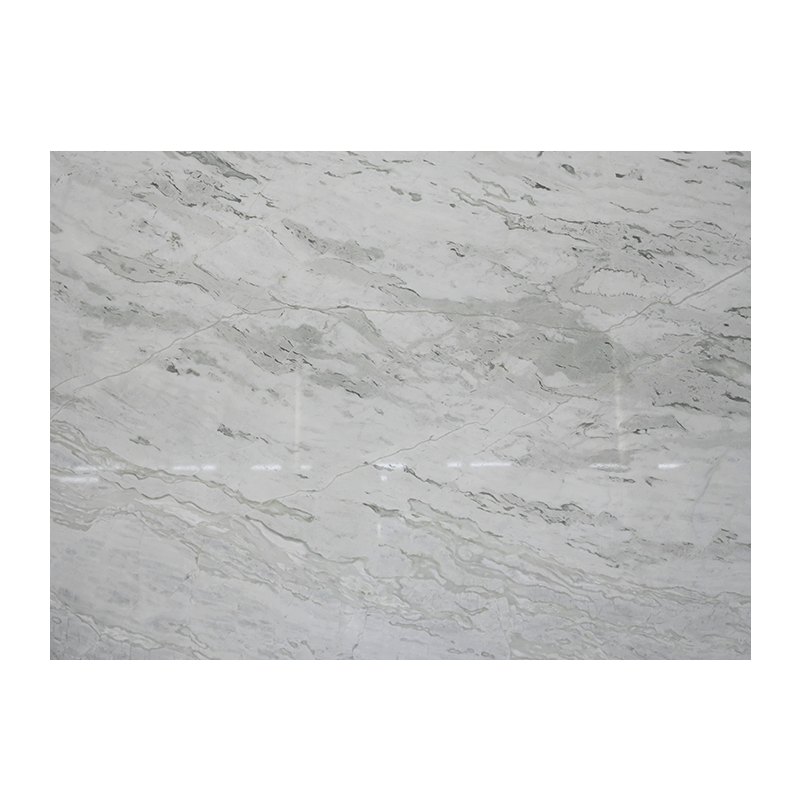
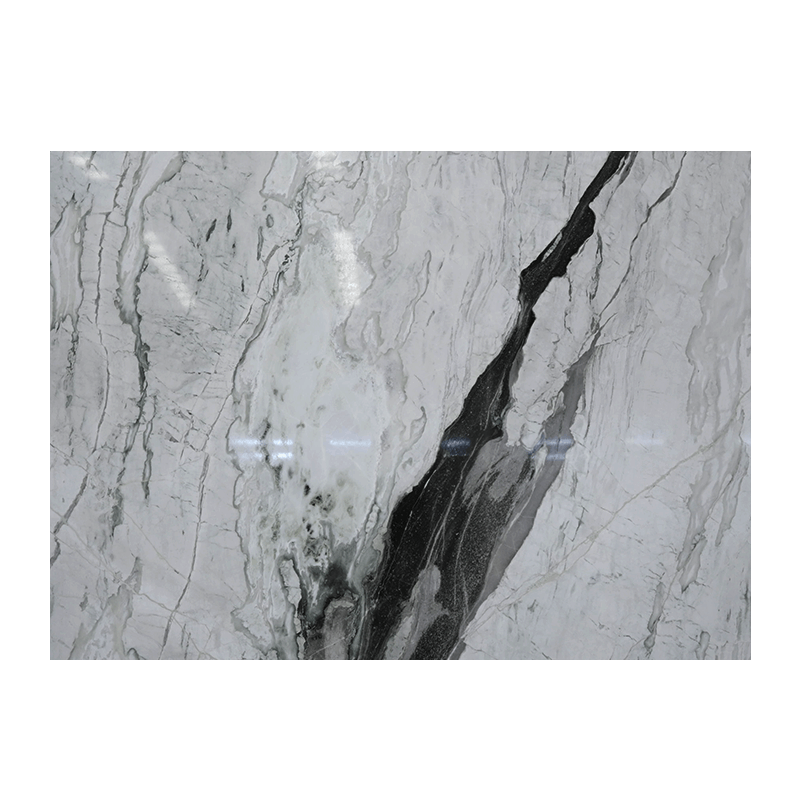
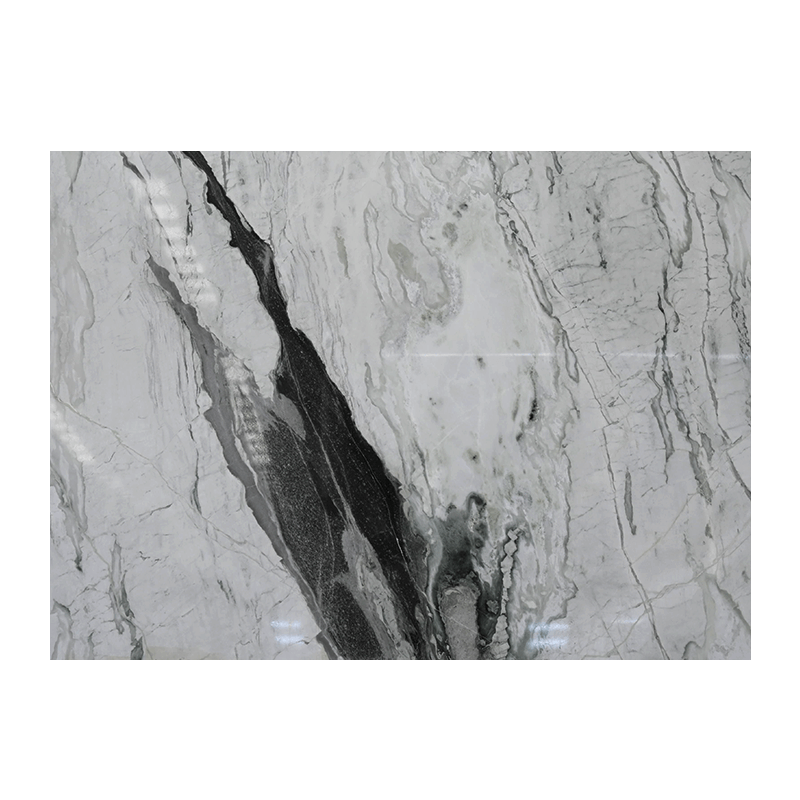
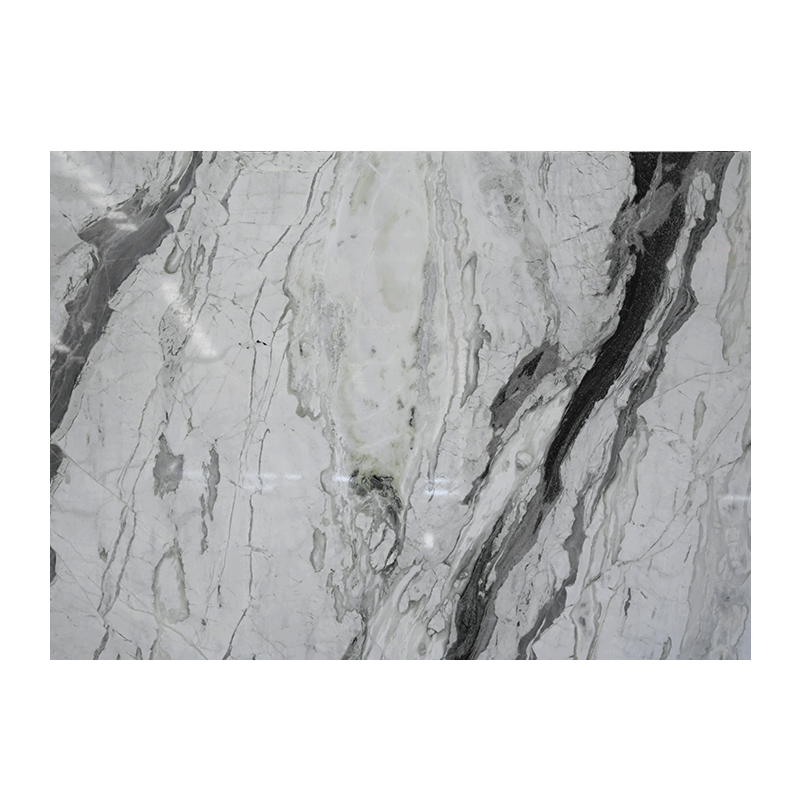
Yes, white marble can be a good choice for bathroom floors, but only if you select the right surface finish. Polished white marble becomes noticeably slippery when wet because its glass-like surface offers very little grip for bare or wet feet. However, when the same stone is honed, brushed, or given a light textured finish, it can perform as well as many other natural stones in terms of slip resistance, while still delivering the elegant look that draws homeowners to marble in the first place.
The short version: avoid high-gloss polished white marble floor tiles in showers and wet zones, and instead choose honed or textured white marble tiles for those areas. Polished marble is still fine for drier zones like a vanity area or a powder room floor that rarely gets splashed. The rest of this guide explains why marble behaves this way, how to compare finishes, and what practical steps reduce slip risk without sacrificing style.
Marble is a metamorphic stone composed largely of calcite crystals. When it is cut and polished, those crystals are ground down until the surface becomes extremely smooth and reflective. That reflective quality is exactly what gives white marble its signature brightness, but it is also what removes the microscopic texture your feet rely on for traction. A polished surface has almost no peaks or valleys, so when water sits on top of it, there is nothing to break the thin film of moisture between your foot and the stone.
This is different from unglazed ceramic or textured porcelain, where manufacturers can intentionally build in surface roughness. With natural stone, that roughness has to be created mechanically after the slab is cut, through processes like honing, flaming, bush-hammering, or acid etching. The finishing process, not the mineral composition, is the main factor that determines whether a marble floor is slippery.
When homeowners shop for white marble tiles, they usually see three or four finish options side by side, often looking similar in photos but performing very differently underfoot. Understanding what each finish actually does helps you avoid an expensive mistake.
This is the classic glossy look most people associate with luxury marble. It reflects light beautifully and makes veining pop, but it is the least slip-resistant option and is not recommended for shower floors or areas directly around a bathtub.
Honing removes the top glossy layer, leaving a soft matte surface. It still shows the stone's natural color and veining clearly, but with noticeably better grip. This is one of the most popular choices for white marble floor tiles in bathrooms because it balances aesthetics and safety reasonably well.
This process uses wire brushes to create subtle texture and slight undulation on the surface. It offers strong traction and a slightly softer, more tactile appearance, which many homeowners find suits a spa-style bathroom.
white marble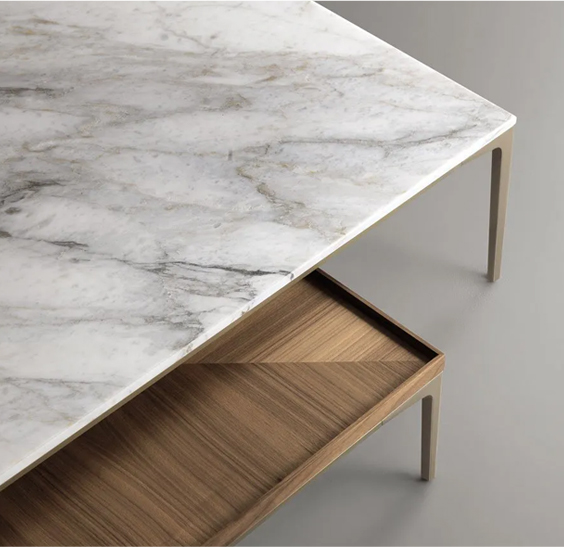
Tumbling creates a rustic, slightly rounded-edge surface with the highest grip of the common finishes. It is a strong option for a walk-in shower floor, though it can be harder to keep visually pristine since texture traps more residue.
Flooring safety is often measured using the coefficient of friction, or COF, which describes how much resistance a surface offers against sliding. In general, a wet-area floor is considered reasonably safe when it has a COF of 0.60 or higher, based on commonly referenced flooring safety guidelines. A polished white marble floor typically tests well below that figure when wet, sometimes as low as 0.15 to 0.25, which explains why polished marble feels so treacherous the moment water hits it. Honed marble generally performs in the 0.40 to 0.55 range, while brushed or tumbled finishes can reach 0.60 or above, putting them in a safer category for wet-foot traffic.
These numbers are not exact for every quarry or batch, since natural variation in the stone and the specific finishing process used by a given supplier can shift results slightly. Still, the pattern is consistent enough to guide a purchasing decision: the glossier the surface, the lower the friction, and the higher the slip risk.
| Finish Type | Approx. Wet COF | Best Bathroom Location | Visual Style |
|---|---|---|---|
| Polished | 0.15–0.25 | Vanity area, dry zones | High gloss, dramatic veining |
| Honed | 0.40–0.55 | General bathroom floor | Soft matte, natural tone |
| Brushed / Leathered | 0.55–0.65 | Shower surround, floor | Subtle texture, tactile |
| Tumbled / Textured | 0.60–0.70 | Shower floor, wet zones | Rustic, rounded edges |
Even after choosing an appropriate finish, a few additional steps can make white marble floor tiles considerably safer in daily use.
Not every part of a bathroom carries the same slip risk, so it can help to think of the room in zones rather than treating the whole floor as one decision. The area around the vanity and toilet is typically dry most of the time, so a polished finish is generally acceptable there and delivers maximum visual impact. The shower floor and the strip directly outside the tub are the true high-risk zones, and this is where a honed, brushed, or tumbled finish earns its keep.
Design Tip
Many designers now combine finishes within a single bathroom: polished white marble tiles for the main floor and walls, paired with a textured white marble floor tile inside the shower enclosure. This approach keeps the overall look cohesive while addressing safety exactly where it matters most.
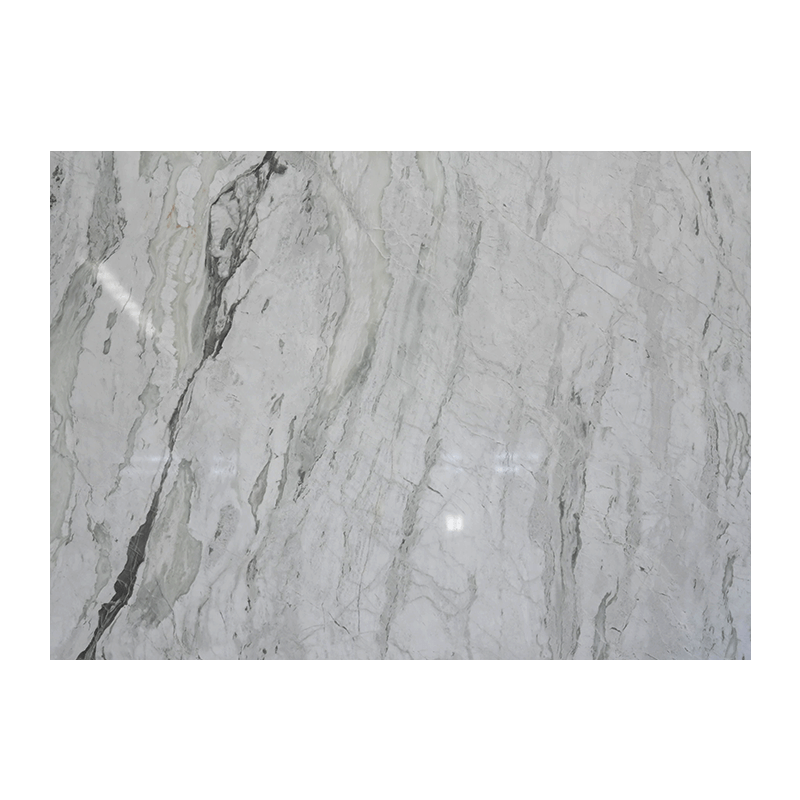
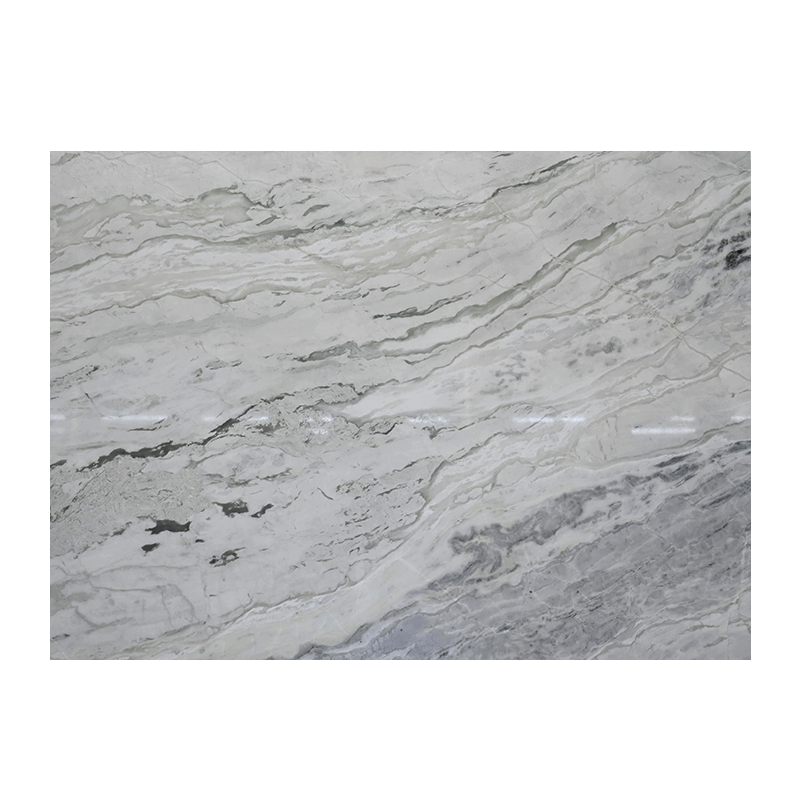
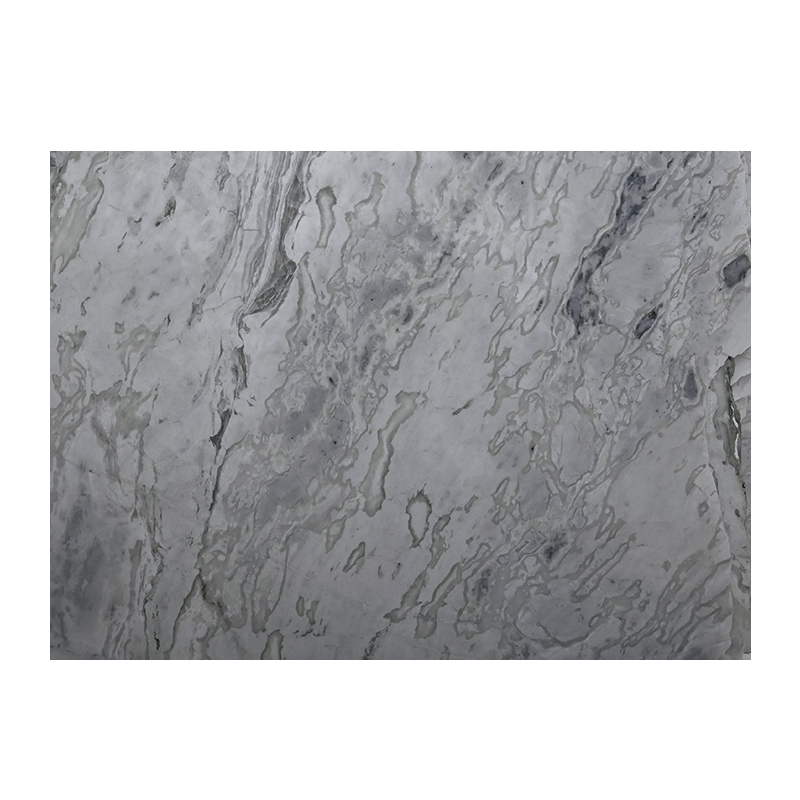
The journey from raw stone to finished tile also affects performance. A large White Marble Block is cut into slabs, and those slabs are then processed into tiles of a chosen finish and thickness. The consistency of that cutting and finishing process matters: tiles cut from the same block generally have more uniform texture and slip behavior than mixed batches sourced from several different blocks. When ordering white marble tiles for a bathroom floor, it is worth asking whether the batch comes from a single block or lot, since this affects both color matching and how evenly the anti-slip texture is applied across the finished surface.
It is also worth requesting a physical sample rather than relying on a photo. Texture, in particular, is very difficult to judge from an image, and running a wet hand or foot across a sample tile is the most reliable way to compare how a honed finish feels against a tumbled one before committing to a full order.
Slip resistance is not a one-time property fixed at installation. Soap scum, mineral deposits from hard water, and worn sealant can all gradually make a marble floor slicker than it was on day one. Regular cleaning with a pH-neutral stone cleaner helps remove the thin oily film that soap and shampoo leave behind, which is often the real cause of a bathroom floor feeling slippery rather than the stone itself.
Sealer Caution
A topical, film-forming sealer sits on the surface and can actually increase slipperiness if it builds up a glossy layer over time. For bathroom floors, a breathable penetrating sealer reapplied roughly once every twelve to eighteen months is generally the safer long-term choice.
Finish type can influence price, though the difference is usually modest compared to the cost of the stone itself. Textured finishes such as tumbling or brushing sometimes carry a slightly higher price per square foot because of the extra processing step, while honed finishes are often priced close to polished tiles of the same grade.
Budget-Smart Approach
Homeowners on a tighter budget can reduce cost by limiting the higher-traction, more labor-intensive finish to just the shower floor and using a standard honed or polished white marble tile for the rest of the room, keeping the overall material bill closer to a single-finish project while still addressing the highest-risk area.
White marble is not inherently unsafe for bathroom floors, and the idea that all marble is dangerously slippery is only partly true. The determining factor is surface finish, not the stone type itself. Choose polished marble for dry zones where its shine can be fully appreciated, and reserve honed, brushed, or tumbled white marble floor tiles for the shower and any area that regularly gets wet.
Avoid This Mistake
Never install high-gloss polished marble as the primary surface inside a shower enclosure — regardless of how carefully it is sealed, its low friction when wet remains its defining risk.
Pair the right finish with a breathable sealer, routine cleaning to remove soap residue, and a slip-resistant mat at key transition points, and you get a floor that keeps its classic appearance without becoming a daily hazard underfoot.


Factory Address: NO.8,WEST BINHAI ROAD,LAOBAGANG(JIAOXIE TOWN),BINHAI NEW AREA,HAIAN COUNTY,NANTONG,JIANGSU,CHINA


+86-15221350573

+86-571-86632298
 English
 Español
 русский
 عربى
عربى