Material Care & Maintenance
Marble reveals its history in every mark it takes — the question is whether that mark was earned by time, or by a bottle of glass cleaner left too long on the counter.
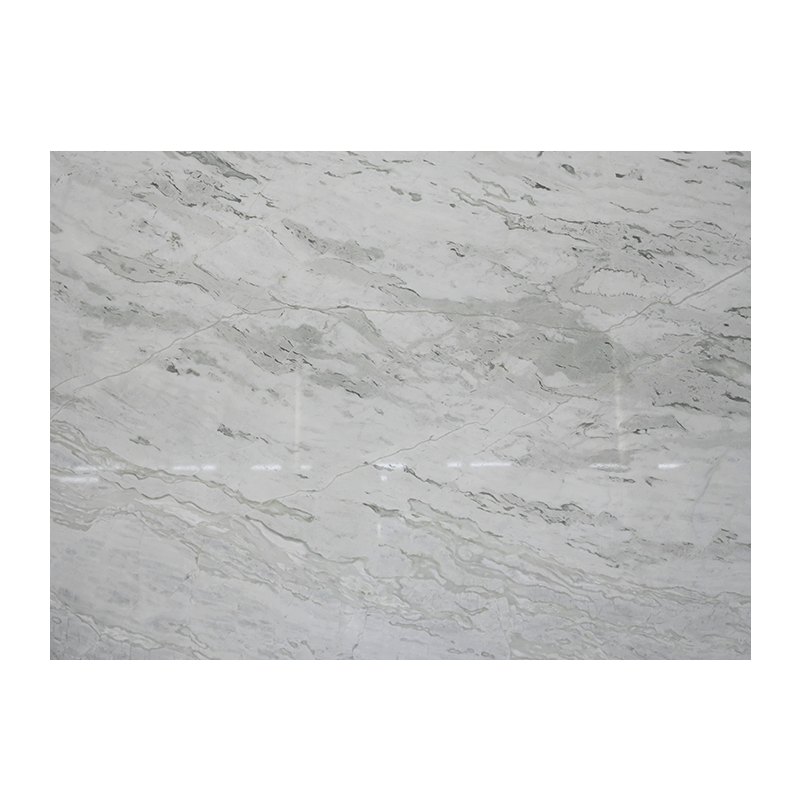
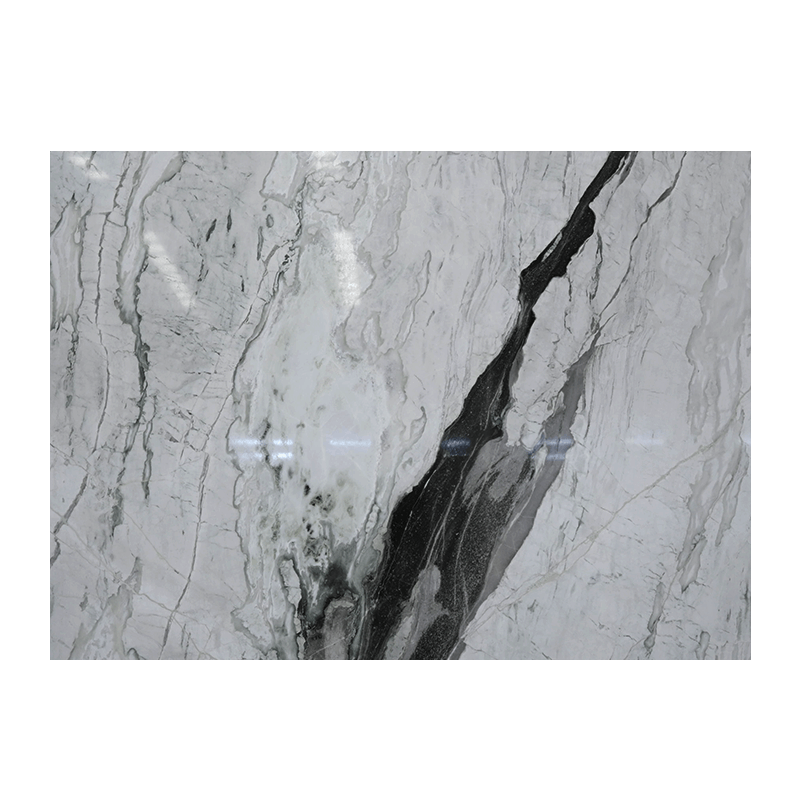
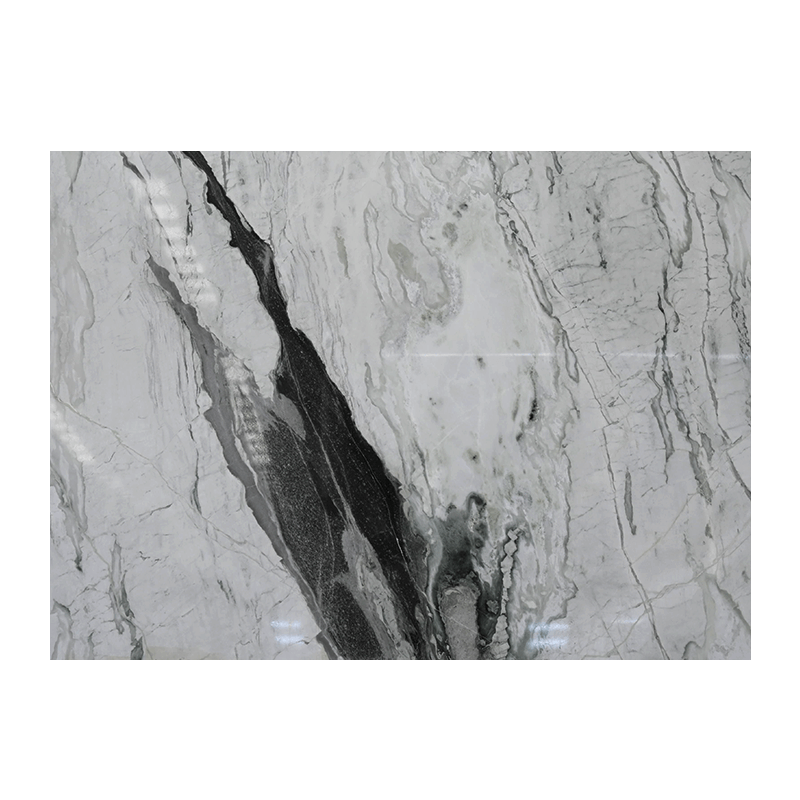
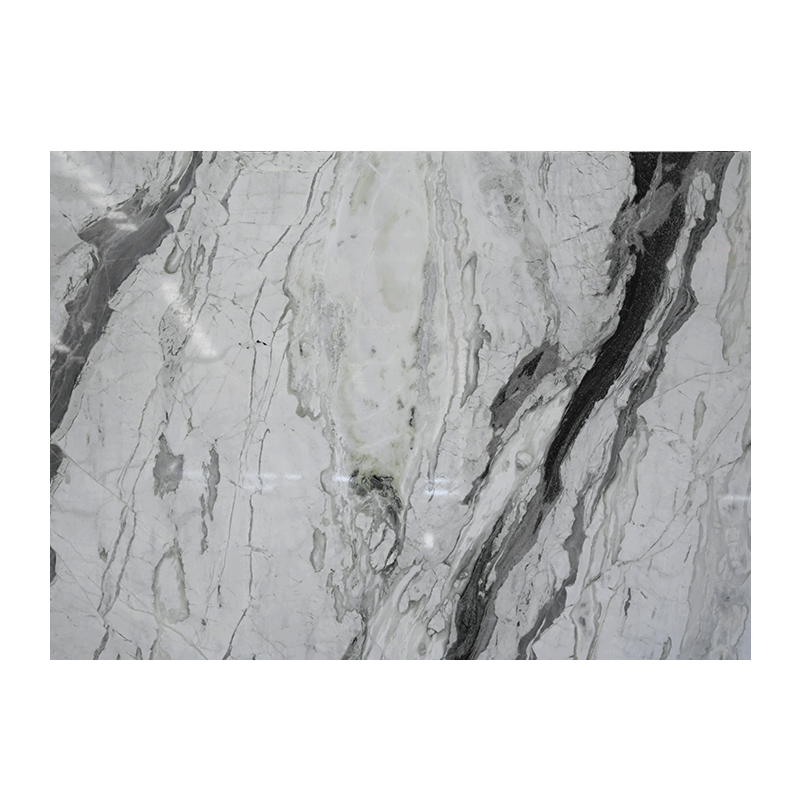
Yes, marble tile can etch and discolor from cleaning products, and in many cases this happens faster than homeowners expect. Marble is a calcium carbonate stone, which means it reacts chemically with acidic substances found in everyday cleaners, including some products marketed as "safe for stone." Etching shows up as a dull, cloudy patch on the polished surface, while discoloration can appear as yellowing, gray staining, or a change in the natural veining color. Both problems are largely preventable once you understand which products are safe and which ones cause damage.
Unlike stains, which sit on top of or soak into the stone, etching is actual physical damage to the surface. It cannot be wiped away with a cloth or removed with more cleaning. This distinction matters because many people try to "clean off" an etch mark using the same acidic product that caused it, which only makes the damage worse.
Marble is formed primarily from calcite, a mineral that is highly sensitive to acid. When an acidic liquid touches marble, it dissolves a microscopic layer of the calcite on the surface. This chemical reaction is what causes etching. It is not a stain that can be scrubbed off, and it is not dirt sitting on top of the tile. It is a permanent change to the stone's surface texture.
Products with a pH below 7 are considered acidic, and most household cleaners fall into this category. Even products with a pH as low as 5 or 6 can etch polished marble within minutes of contact. This is why glass cleaners, all-purpose sprays, and citrus-scented cleaners are frequently blamed for dull spots on marble countertops and floors.
Vinegar, lemon juice, wine, coffee, and many bathroom cleaners are among the most common causes of etching. Even a product that seems mild, such as a dish soap with citrus additives, can leave a faint dull ring if left on the surface too long.
Etching is not dirt. It is not a stain. It is the stone itself, quietly dissolving, one careless spray at a time.
Homeowners often confuse etching with staining, but the two problems require different solutions. Understanding which one you are dealing with will save time and prevent further damage from improper cleaning attempts.
marble tile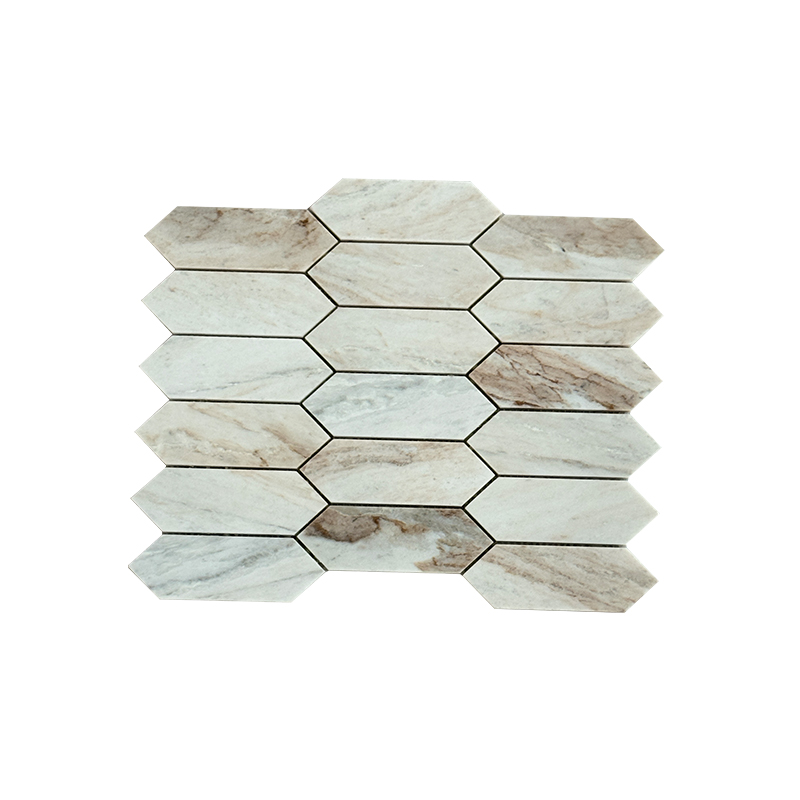
Not all cleaning products carry the same risk. The table below outlines common household products, their approximate pH level, and the level of risk they pose to marble surfaces.
| Product | Approximate pH | Risk to Marble |
|---|---|---|
| White vinegar | 2.5 | Very High |
| Lemon juice | 2.0 | Very High |
| Glass cleaner | 5.0–6.0 | Moderate |
| Bathroom disinfectant spray | 3.0–5.0 | High |
| pH-neutral stone cleaner | 7.0 | Low |
Never use vinegar, lemon-based sprays, or citrus-scented all-purpose cleaners on marble. Even brief contact can leave a permanent dull mark within minutes.
A marble mosaic tile installation often has significantly more surface area exposed per square foot than large-format marble slabs, because it is made up of many small pieces separated by grout lines. This increases the number of edges and joints where cleaning liquids can pool, seep, and react with the stone. Kitchen backsplashes made from marble mosaic tile are particularly at risk, since they are frequently exposed to splashes from acidic foods, wine, and citrus-based cleaning sprays.
A marble mosaic floor faces a different but equally serious set of challenges. Foot traffic tracks in dirt, grit, and sometimes acidic residue from outdoor surfaces, which can then combine with cleaning chemicals used during regular mopping. Because mosaic floors have more grout lines than large-format tile floors, they also require more frequent cleaning, which increases the total exposure to potentially harmful products over time. Homeowners with a marble mosaic floor in an entryway or bathroom should be especially cautious about which mop solutions and disinfectants they use.
The good news is that marble tile can be kept looking new for decades with the right cleaning routine. The key is avoiding acidic products entirely and cleaning up spills quickly.
A sealed marble surface still etches from acid, but sealing does reduce staining, which is a separate but related problem. It is a common misconception that sealing prevents etching entirely; sealing only creates a barrier against absorption, not a barrier against the chemical reaction that causes dulling.
Light etching can often be improved with a marble polishing powder designed to restore shine to small dull areas. This involves applying the powder with a damp cloth and buffing in circular motions until the surface regains its reflective finish. For larger or deeper etch marks, professional stone refinishing is usually the more reliable option, since it involves honing and repolishing the entire surface to an even level.
Discoloration caused by staining, rather than etching, may respond to a poultice treatment. This involves applying an absorbent paste mixed with a mild cleaning agent over the stain, covering it with plastic wrap, and letting it sit for 24 to 48 hours so the paste can draw the discoloration out of the stone. This method works best on fresh stains and is less effective on discoloration that has set in over several years.
Repeated polishing thins the marble's surface over time. Treat visible etching promptly rather than letting damage accumulate across the whole floor or countertop.
Preventing etching and discoloration over the long term comes down to consistent habits rather than occasional deep cleaning. Households that switch to pH-neutral products and clean spills promptly report significantly fewer visible etch marks after several years of use. Placing coasters under drinks, using cutting boards instead of setting food directly on marble countertops, and choosing doormats to reduce grit tracked onto marble mosaic floor surfaces are all simple steps that reduce long-term wear.
Routine resealing, gentle cleaning products, and quick attention to spills together form the most effective defense against both etching and discoloration.
While marble will always require more careful maintenance than porcelain or ceramic tile, understanding exactly which products to avoid makes it far easier to keep the stone looking polished and consistent for many years. The difference between a marble surface that ages gracefully and one that dulls prematurely almost always comes down to what touches it — and how quickly that spill, spray, or splash is wiped away.


Factory Address: NO.8,WEST BINHAI ROAD,LAOBAGANG(JIAOXIE TOWN),BINHAI NEW AREA,HAIAN COUNTY,NANTONG,JIANGSU,CHINA


+86-15221350573

+86-571-86632298
 English
 Español
 русский
 عربى
عربى