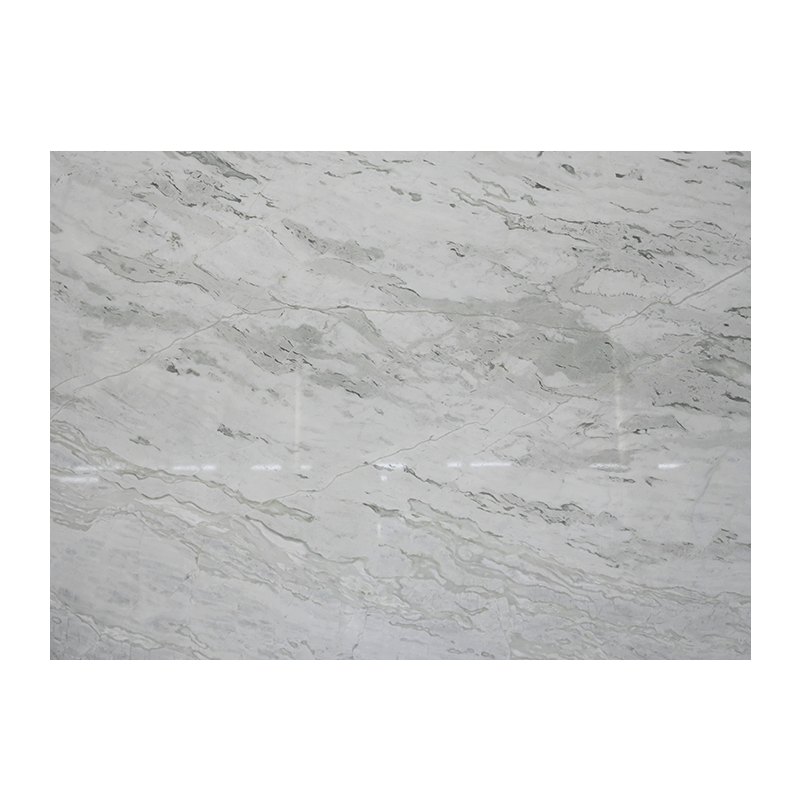
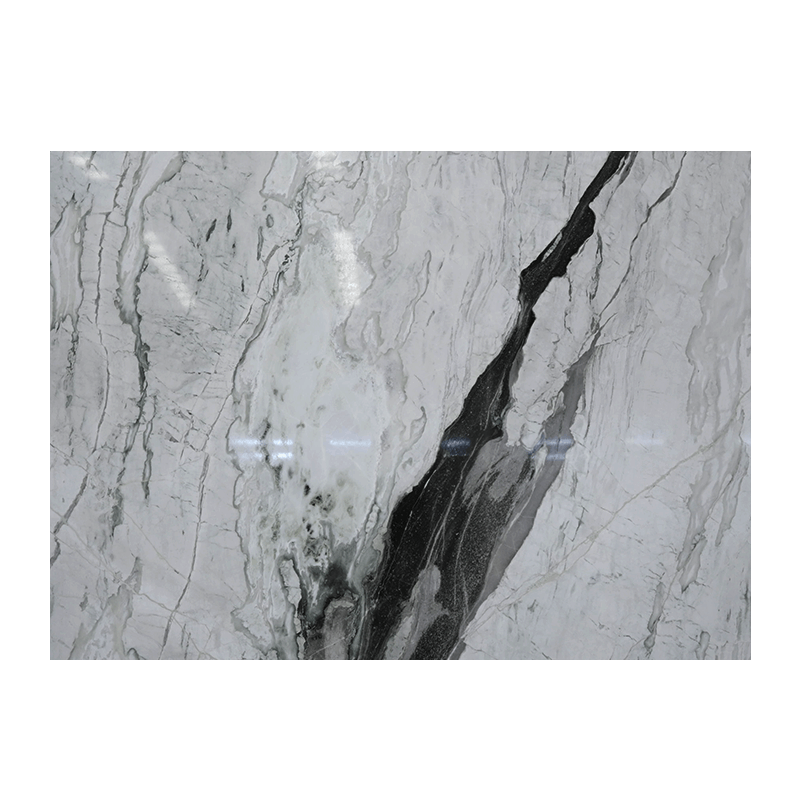
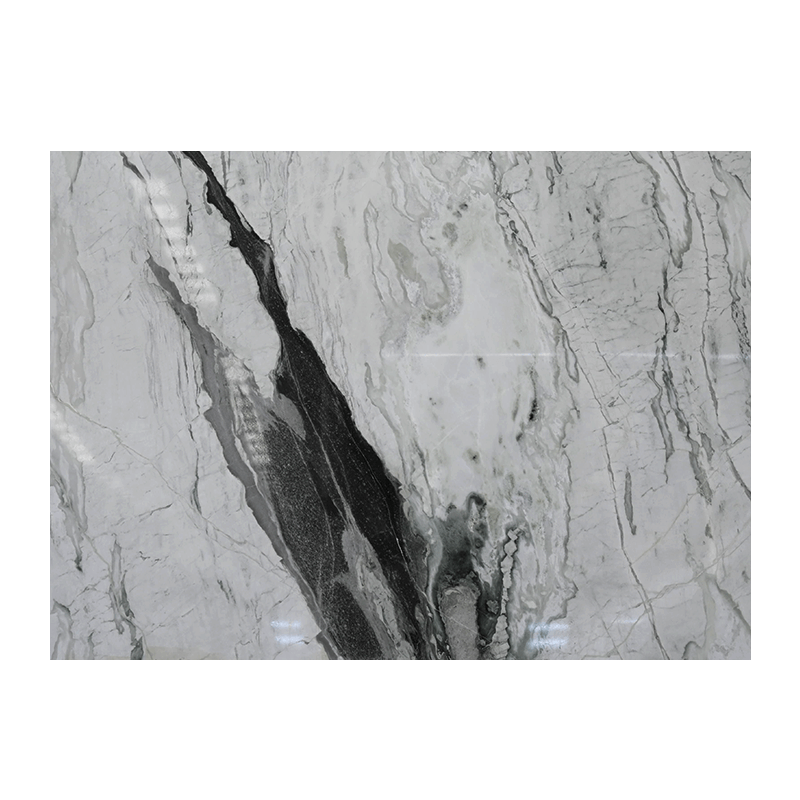
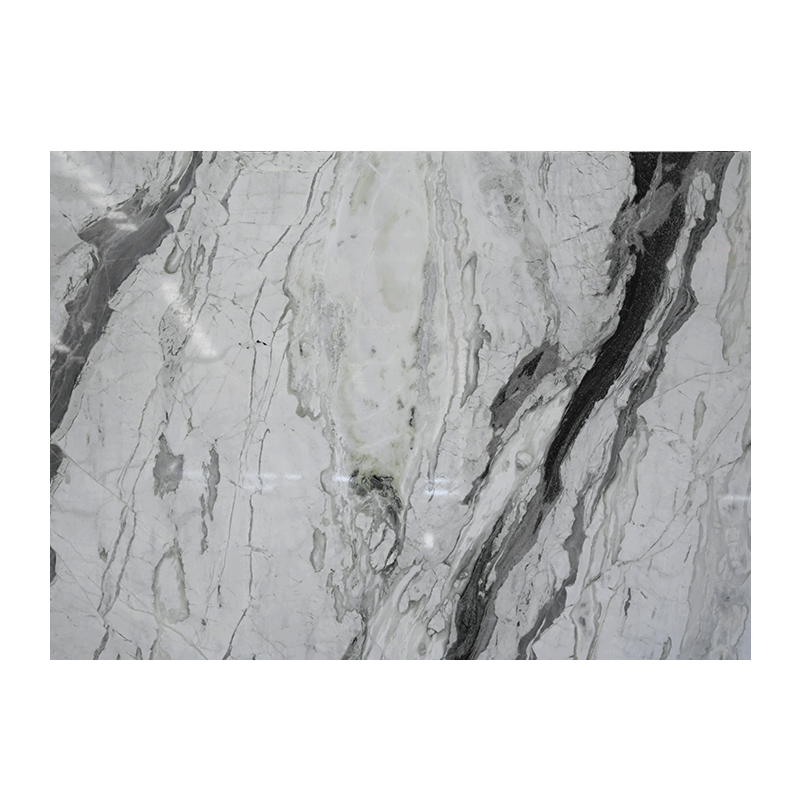
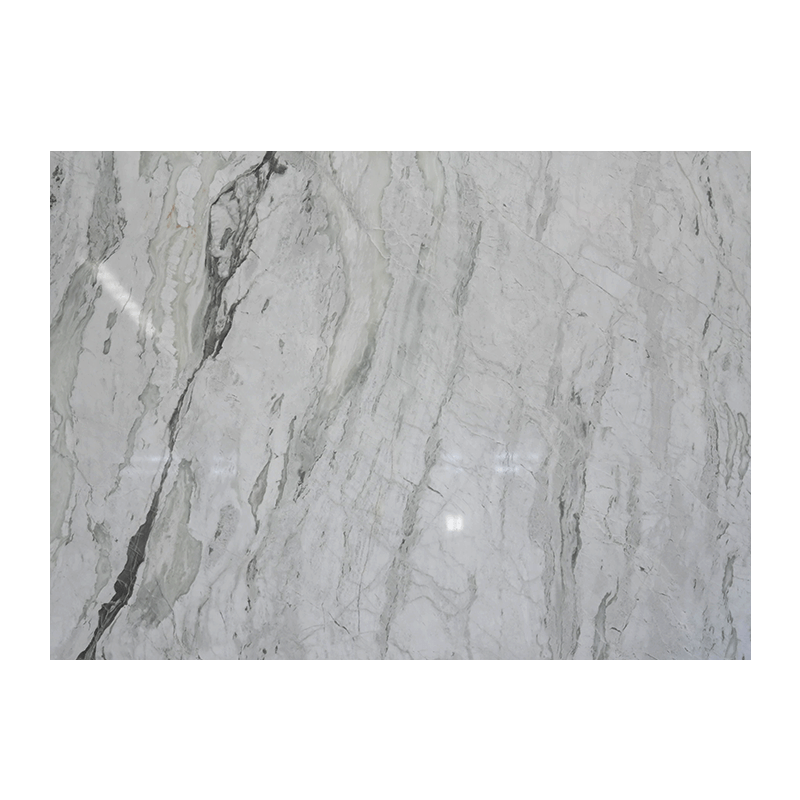
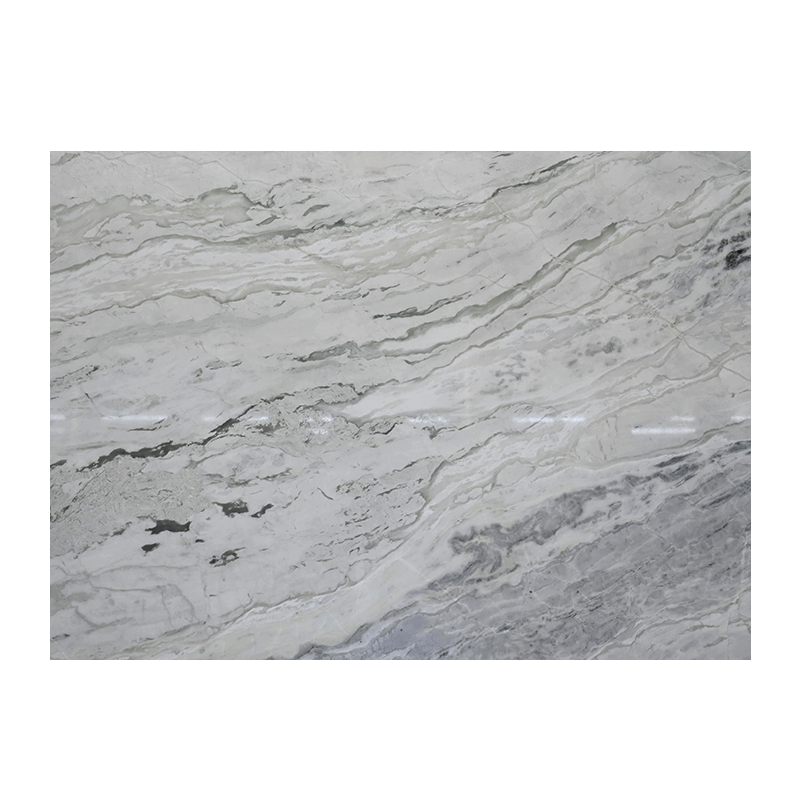
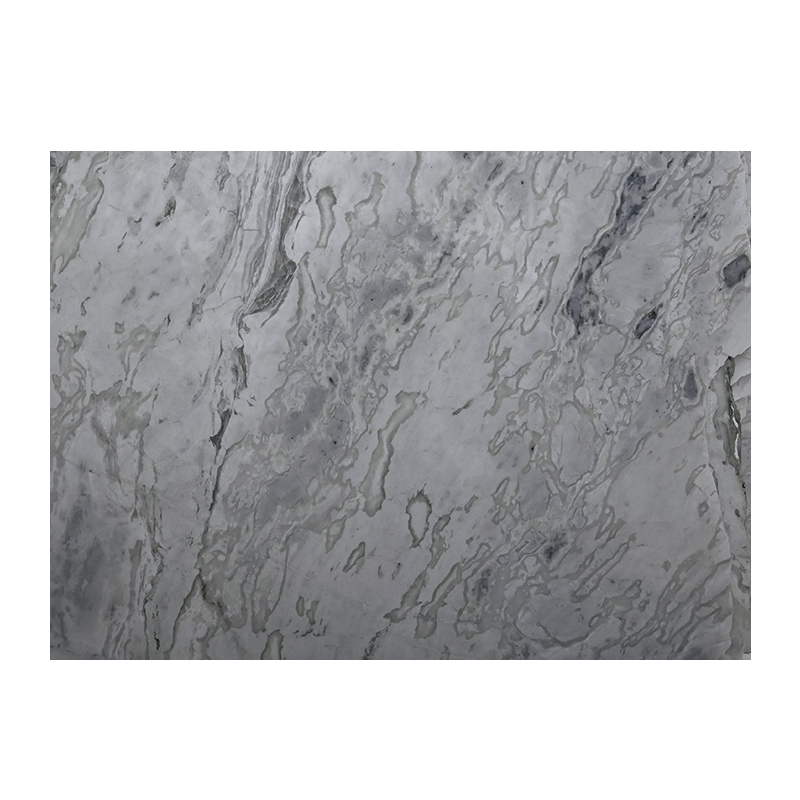
The polished marble block surface is significantly more slippery than a honed basalt block in wet conditions — and the difference is large enough to be a genuine safety concern in wet area applications. Polished marble block typically achieves a Dynamic Coefficient of Friction (DCOF) in the range of 0.20–0.35 when wet, which falls below the minimum threshold of 0.42 recommended by the ANSI A137.1 standard for wet floor surfaces. Honed basalt block, by contrast, regularly achieves DCOF values of 0.50–0.65 when wet, comfortably exceeding safety benchmarks. For bathrooms, pool surrounds, shower floors, and other wet area applications, this distinction is not merely technical — it directly affects user safety.
Before comparing marble block and basalt block directly, it is important to understand how slip resistance is measured and what the benchmarks mean in practice.
The two most widely referenced standards are:
These metrics are surface-finish dependent, not just material dependent. The same marble block cut to a polished finish versus a honed or flamed finish will produce dramatically different slip resistance results. This is a key point when evaluating either marble block or basalt block for your project.
Polishing a marble block surface involves grinding it progressively with finer and finer abrasives until a high-gloss, mirror-like finish is achieved. This process closes the surface pores and eliminates micro-texture, producing a surface roughness (Ra) typically below 0.5 micrometers. At this level of smoothness, a thin film of water acts as a lubricant between the foot and the stone rather than being channeled away, drastically reducing traction.
Additionally, marble block has a relatively soft mineral composition — rating 3–4 on the Mohs hardness scale. Over time, foot traffic polishes the surface further, meaning a marble block floor in a wet area may actually become more slippery with use, not less.
Real-world DCOF test results for polished marble block surfaces in wet conditions typically fall in the following ranges depending on the specific stone and polish level:
Basalt block is a dense, fine-grained volcanic rock with a Mohs hardness of 6–7, considerably harder than marble block. When honed — meaning ground to a smooth matte finish without achieving a reflective polish — basalt block retains a controlled micro-texture that provides consistent grip even when wet.
The honing process leaves the surface roughness (Ra) of basalt block in the range of 1.5–4.0 micrometers, which is three to eight times rougher than polished marble block at the microscopic level. This micro-texture allows water to disperse rather than pool uniformly across the contact surface, maintaining meaningful friction between foot and stone.
Typical slip resistance measurements for honed basalt block in wet conditions:
Basalt block's hardness also means its surface texture is maintained under heavy foot traffic over time, unlike marble block which gradually self-polishes. A honed basalt block floor installed in a hotel pool area today will perform similarly ten years from now with standard maintenance.
| Property | Polished Marble Block | Honed Basalt Block |
|---|---|---|
| DCOF (Wet) | 0.20–0.35 (fails ANSI) | 0.50–0.65 (passes ANSI) |
| R-Value (DIN 51130) | R9 | R10–R11 |
| P-Rating (Barefoot Wet) | P1–P2 | P4–P5 |
| Surface Roughness (Ra) | <0.5 µm | 1.5–4.0 µm |
| Mohs Hardness | 3–4 | 6–7 |
| Texture Durability Over Time | Degrades (self-polishes) | Stable |
| Suitable for Shower Floor | Not recommended | Yes |
| Suitable for Pool Surround | Not recommended | Yes |
Yes — but only by changing the surface finish. A polished marble block surface is inappropriate for wet areas, but marble block processed to alternative finishes can achieve acceptable slip resistance:
The key takeaway is that the polished finish is the problem, not the marble block itself. If aesthetics require marble block in a wet area, specifying a brushed or heavily honed finish is the responsible approach. However, for maximum safety with minimum maintenance, honed basalt block remains the superior choice.
The choice between marble block and basalt block for a wet area project should be driven by the specific use case and foot traffic profile:
When specifying stone for any wet area, always request the supplier's certified DCOF or R-value test report for the specific finish you are ordering — not just the material. A marble block supplier offering an anti-slip honed product should be able to provide test documentation confirming the DCOF exceeds 0.42. If that documentation is not available, treat the product as non-compliant for wet area use.


Factory Address: NO.8,WEST BINHAI ROAD,LAOBAGANG(JIAOXIE TOWN),BINHAI NEW AREA,HAIAN COUNTY,NANTONG,JIANGSU,CHINA


+86-15221350573

+86-571-86632298
 English
 Español
 русский
 عربى
عربى