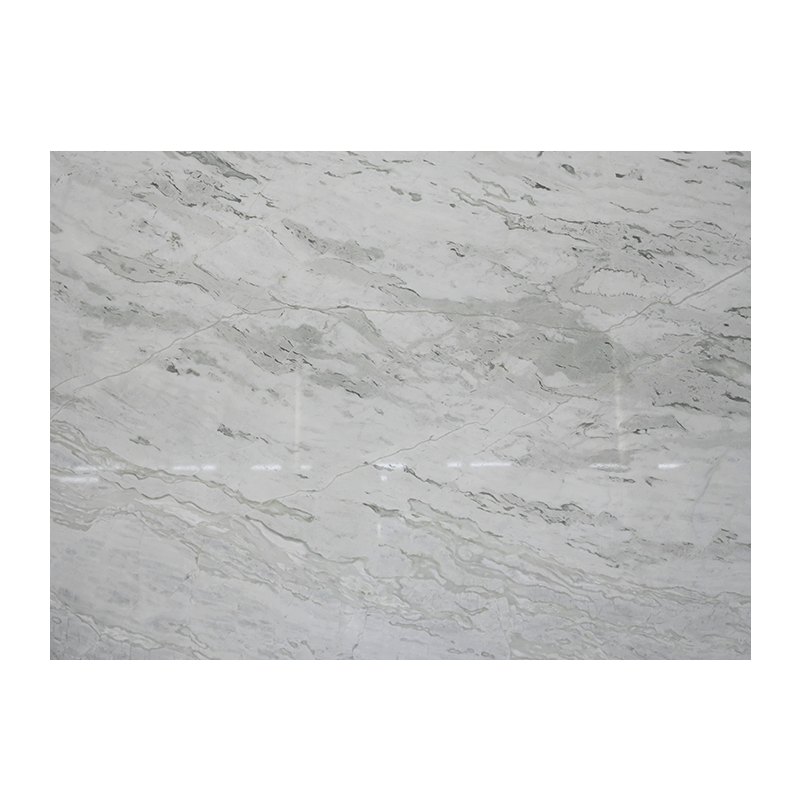
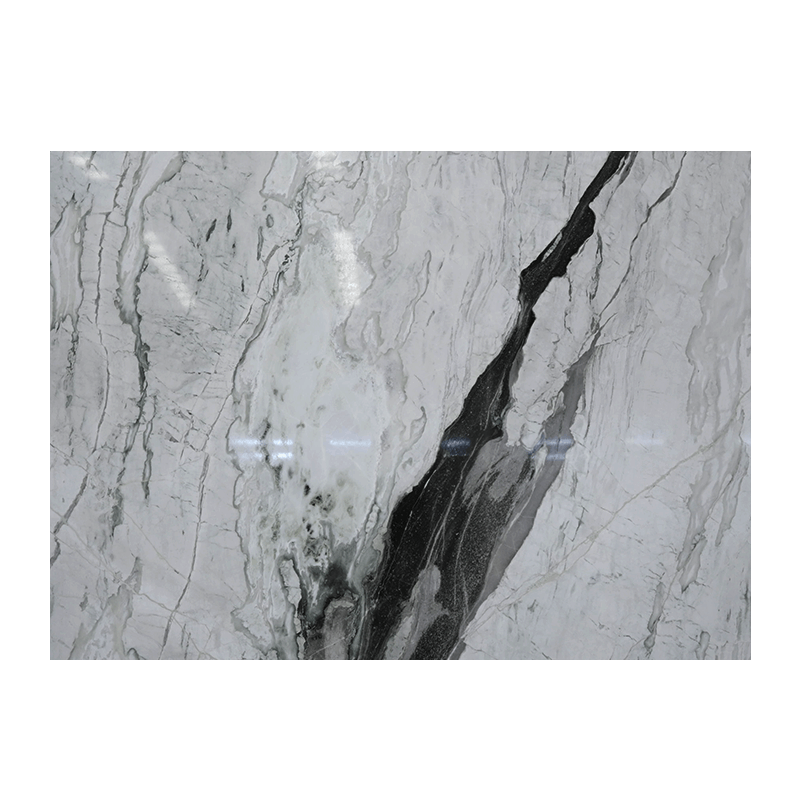
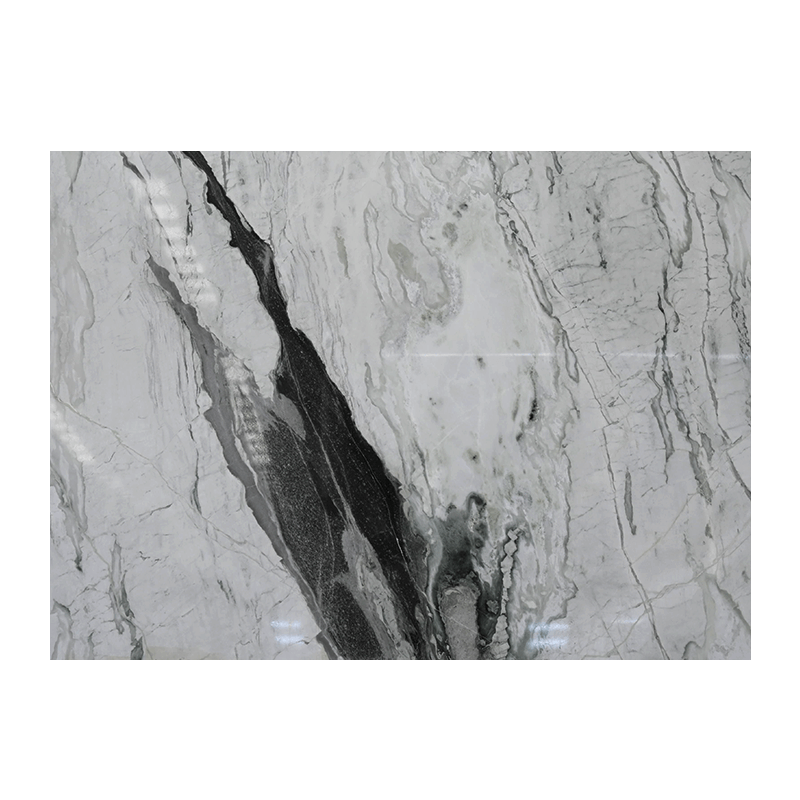
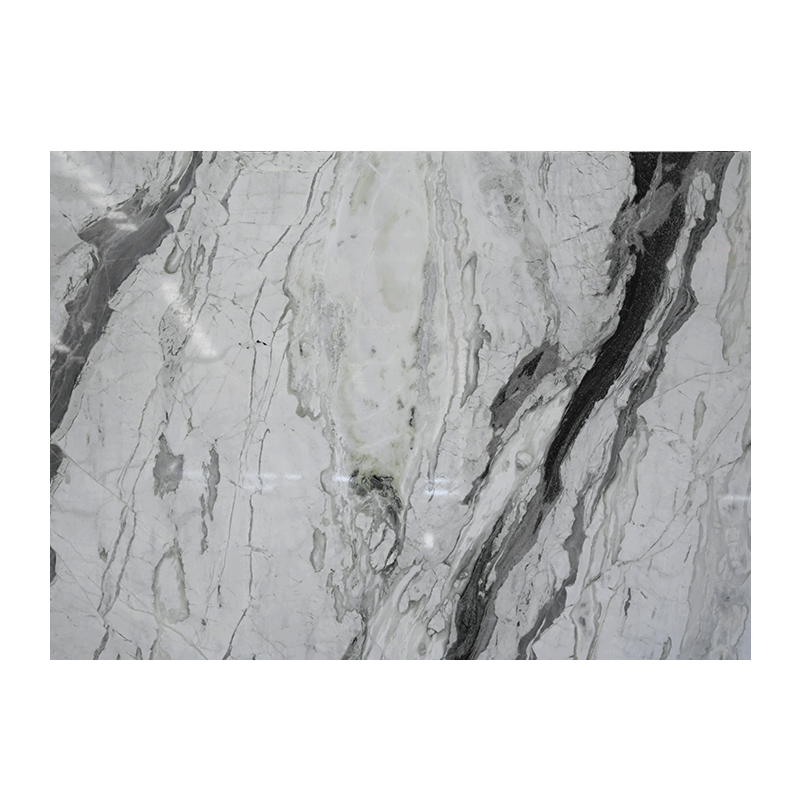
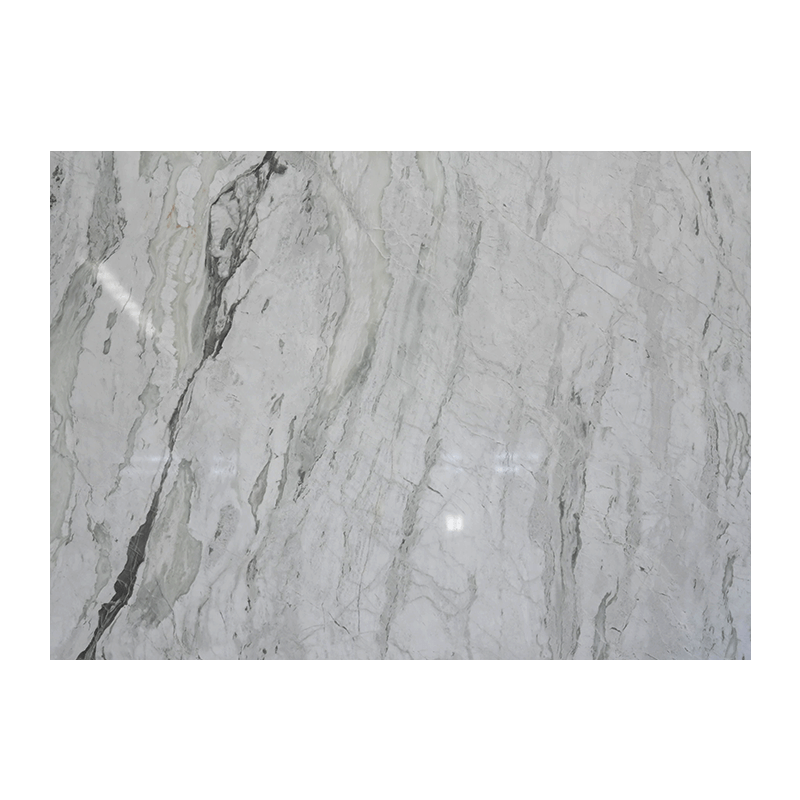
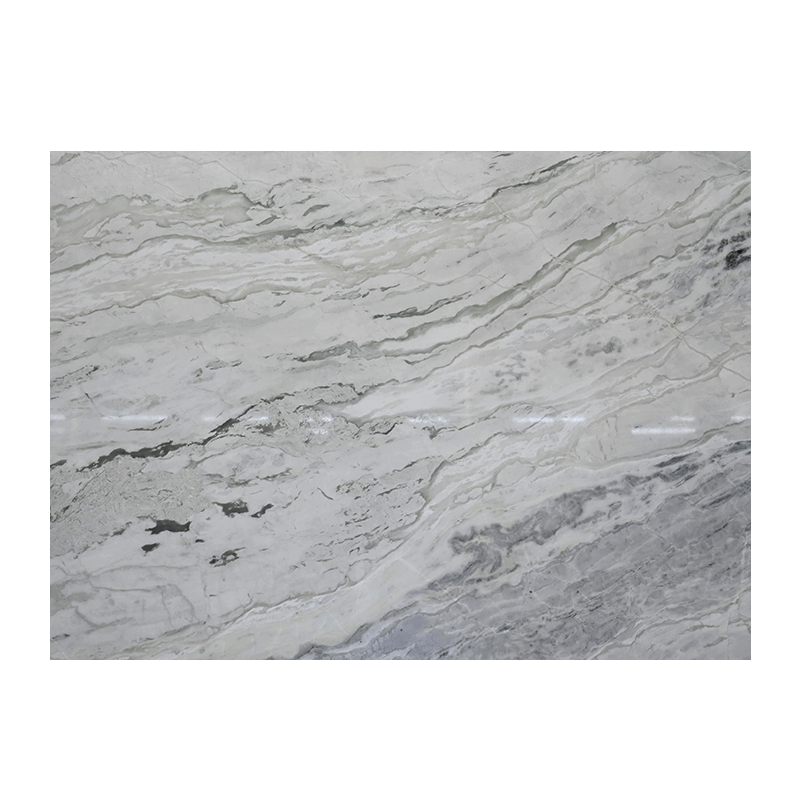
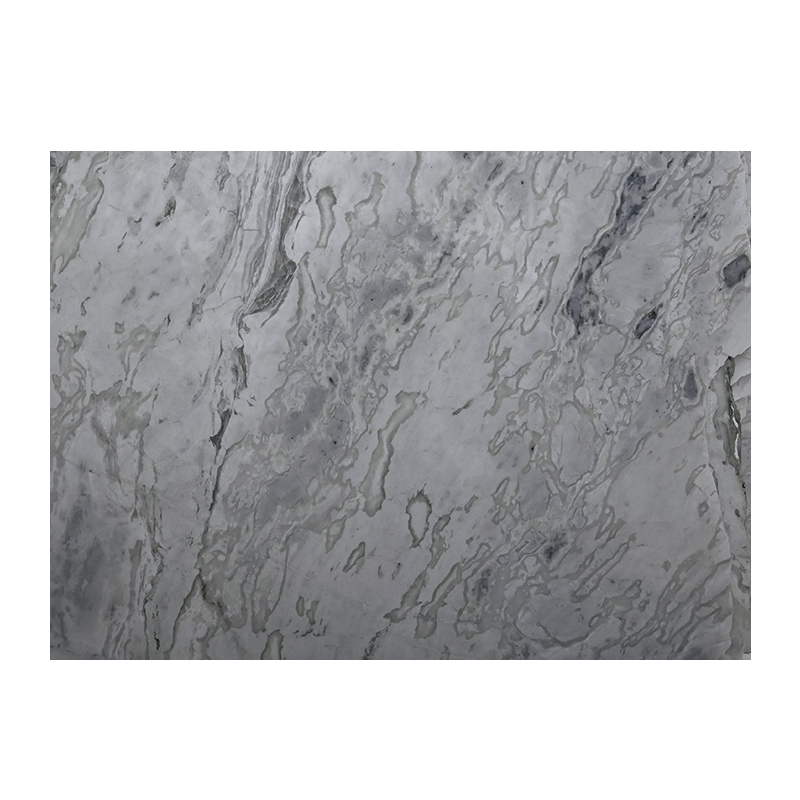
Black Marble Block is generally more suitable for flooring than White Vein Marble Block. While both materials are attractive natural stones, Black Marble Block typically offers better wear resistance, lower visibility of stains and scratches, easier long-term maintenance, and stronger visual performance in high-traffic environments. These practical advantages make it a preferred option for residential and commercial flooring projects where durability and appearance retention are important.
White Vein Marble Block remains an excellent decorative material and is often selected for luxury interiors that prioritize brightness and elegant veining. However, when flooring performance is evaluated across multiple criteria—including durability, maintenance requirements, safety, and lifecycle costs—Black Marble Block usually delivers better overall value.
Flooring is one of the most heavily used surfaces in any building. Unlike wall cladding or decorative accents, floors must withstand constant foot traffic, furniture movement, moisture exposure, and regular cleaning. Therefore, selecting the right stone involves more than aesthetics.
When comparing Black Marble Block and White Vein Marble Block for flooring applications, buyers should evaluate:
These factors have a direct impact on both the appearance and operating cost of a flooring installation over many years.
Durability is often the most important factor when selecting flooring materials. In many applications, Black Marble Block demonstrates superior structural performance due to its dense composition and darker mineral content.
| Factor | Black Marble Block | White Vein Marble Block |
|---|---|---|
| Scratch Resistance | High | Moderate |
| Wear Resistance | High | Moderate |
| Stain Visibility | Low | High |
| Appearance Retention | Excellent | Good |
In busy environments such as hotel lobbies, office entrances, shopping areas, and family homes, Black Marble Block often retains its original appearance longer than White Vein Marble Block.
Maintenance costs accumulate throughout the life of a floor. Although both materials require sealing and regular cleaning, Black Marble Block generally hides everyday wear more effectively.
Common issues encountered with White Vein Marble Block flooring include:
By contrast, Black Marble Block naturally disguises many of these imperfections. This advantage can significantly reduce maintenance expenses over a period of 10 to 20 years.
For property owners seeking lower upkeep without sacrificing elegance, Black Marble Block provides a practical flooring solution.
Aesthetic preference is subjective, but flooring must remain visually attractive for many years. Black Marble Block offers a sophisticated and contemporary appearance that complements modern architecture, luxury retail spaces, minimalist interiors, and high-end residential projects.
White Vein Marble Block creates a brighter atmosphere and can make rooms appear larger. However, because flooring occupies a substantial portion of the visual field, even minor discoloration or wear can become noticeable over time.
Many buyers also compare Black Marble Block with a traditional white marble block when evaluating flooring materials. Similar to White Vein Marble Block, a white marble block can create a bright and luxurious atmosphere. However, lighter marble surfaces generally reveal dirt, scratches, and stains more easily.
In commercial environments where hundreds or even thousands of people walk across the floor every day, Black Marble Block often maintains a cleaner appearance between maintenance cycles. This practical advantage explains why darker marble flooring is frequently selected for high-traffic installations.
Initial material cost is only one part of the investment. Buyers should also consider:
Although Black Marble Block can sometimes have a slightly higher purchase price, its durability and reduced maintenance needs often result in lower ownership costs over the lifespan of the floor.
For example, a commercial property with 500 square meters of marble flooring may save substantial maintenance expenses over 15 years if the flooring requires fewer polishing and restoration procedures.
Safety should never be overlooked. Both Black Marble Block and White Vein Marble Block can be finished with honed, brushed, or textured surfaces to improve slip resistance. However, flooring specifications should always be selected based on the expected level of foot traffic and exposure to moisture.
When properly finished and maintained, Black Marble Block provides excellent flooring performance while preserving its elegant appearance. This balance of safety and visual appeal contributes to its popularity in demanding environments.
After evaluating durability, maintenance, aesthetics, safety, and long-term value, Black Marble Block is generally more suitable for flooring than White Vein Marble Block. Its superior resistance to visible wear, lower maintenance requirements, and stronger performance in high-traffic areas make it the more practical choice for many projects.
White Vein Marble Block remains an attractive option for decorative spaces where elegance is the primary objective. However, for buyers seeking a flooring material that combines beauty with long-term functionality, Black Marble Block offers the more balanced and dependable solution.


Factory Address: NO.8,WEST BINHAI ROAD,LAOBAGANG(JIAOXIE TOWN),BINHAI NEW AREA,HAIAN COUNTY,NANTONG,JIANGSU,CHINA


+86-15221350573

+86-571-86632298
 English
 Español
 русский
 عربى
عربى