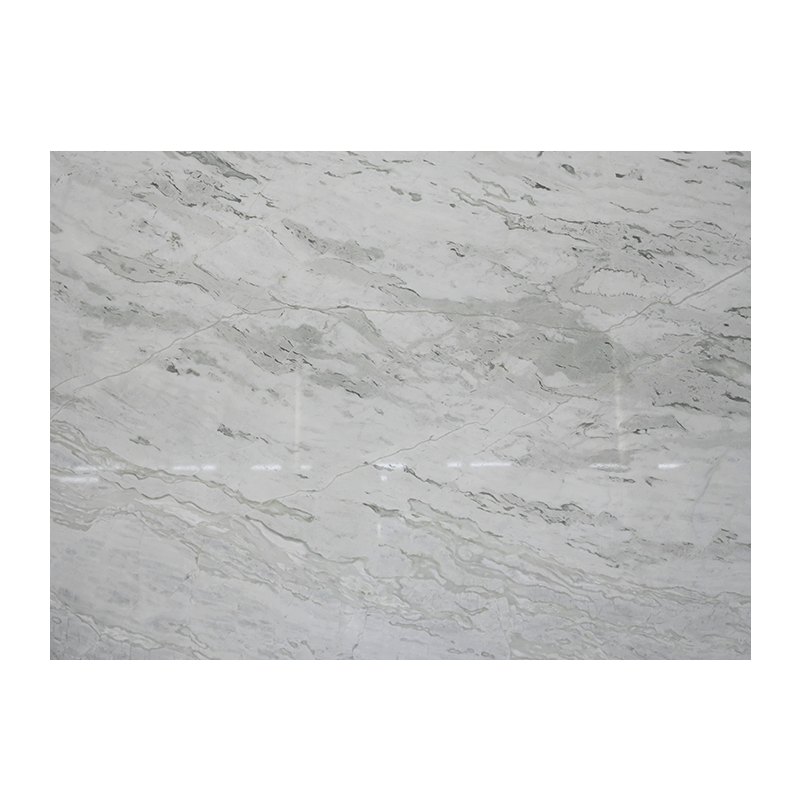
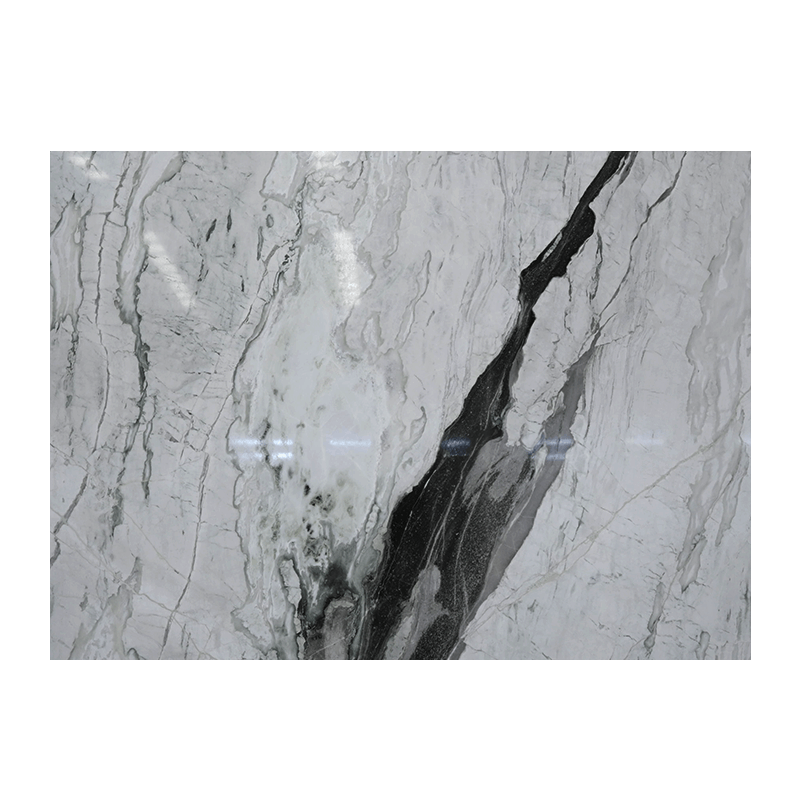
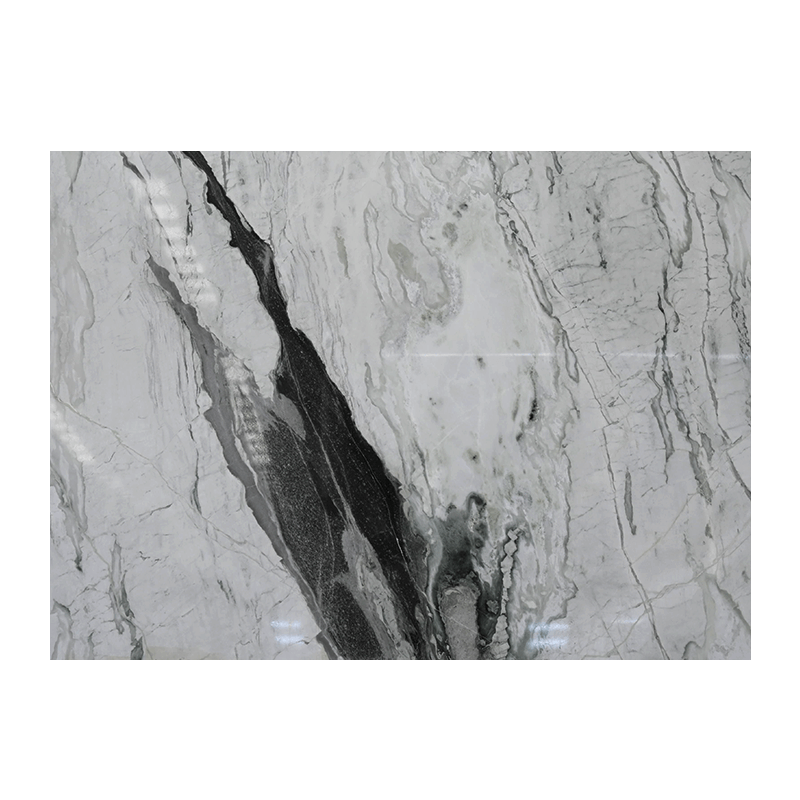
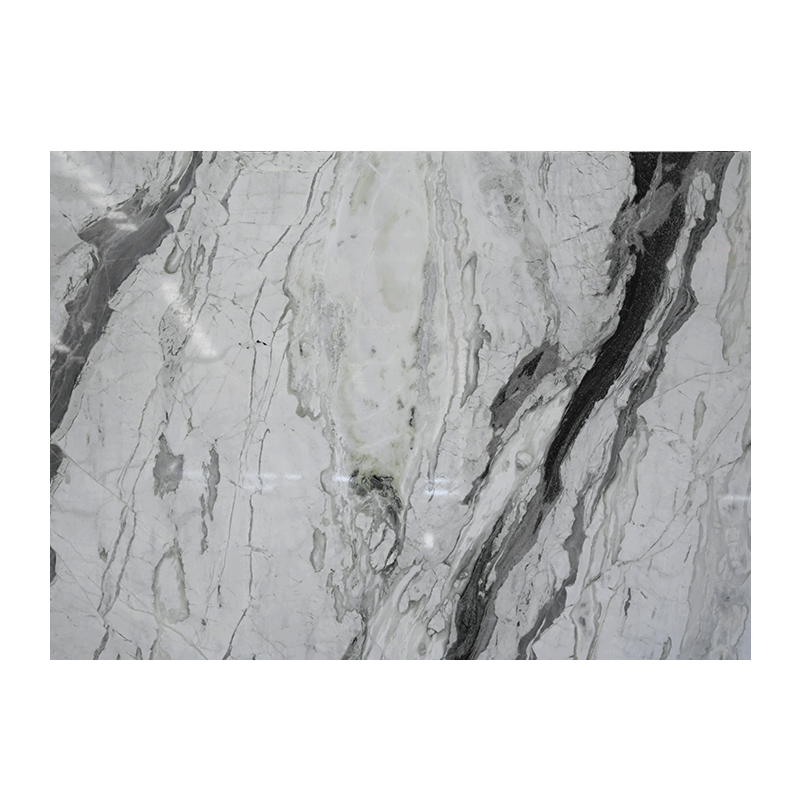
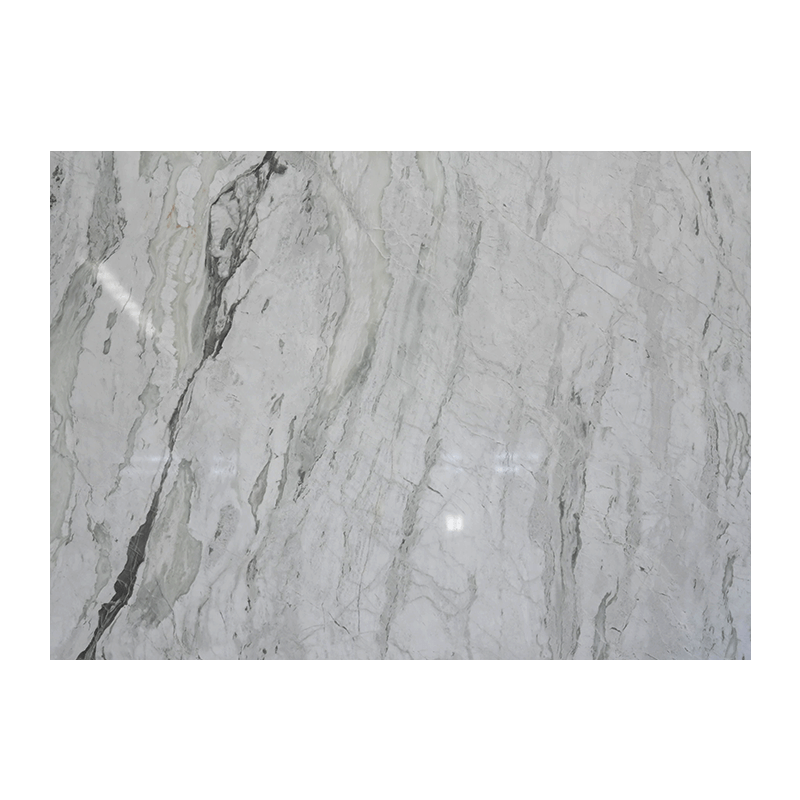
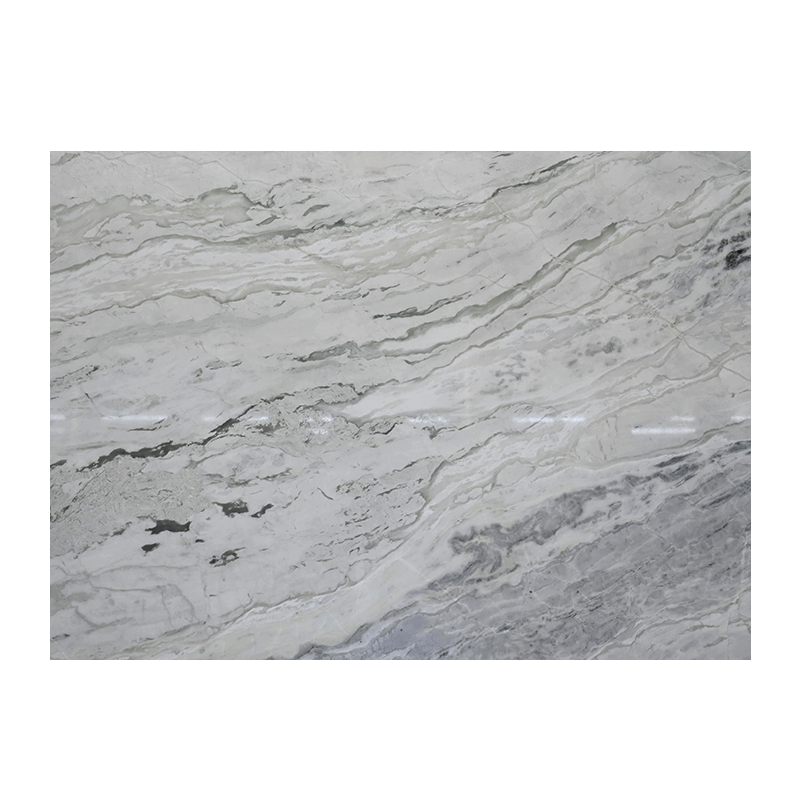
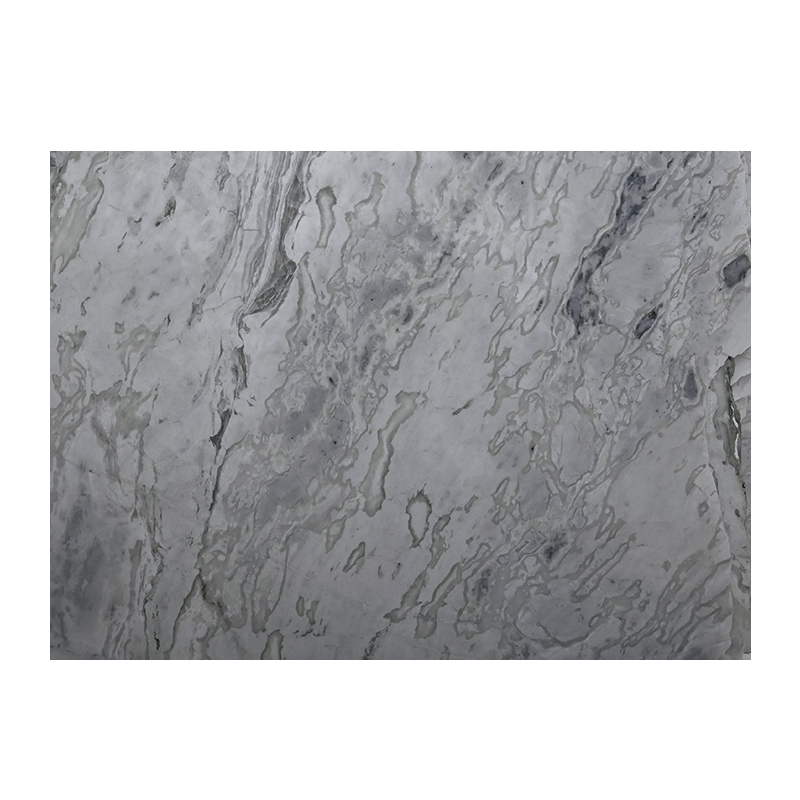
When choosing between honed marble and polished marble for kitchen countertops, honed marble is generally the better choice for durability and everyday practicality. Its matte, low-sheen surface is less prone to showing scratches, etching, and fingerprints — all of which are inevitable in a working kitchen environment. That said, polished marble has its own merits, particularly for homeowners who prioritize aesthetics over low maintenance. This article breaks down both finishes across the dimensions that matter most for kitchen use.
Both honed and polished marble originate from the same natural stone material, but their finishing processes produce dramatically different surfaces. Polished marble is buffed to a high-gloss, mirror-like finish that amplifies the depth of the stone's natural veining and color. Honed marble, by contrast, is ground to a smooth but matte finish — the buffing process is stopped before the glossy surface layer is achieved.
This difference in surface texture has significant downstream effects on how each finish performs in a kitchen setting, where countertops face heat, moisture, acidic foods, and constant mechanical wear on a daily basis.
One of the most critical durability factors for kitchen countertops is resistance to surface damage. Marble, regardless of finish, has a Mohs hardness rating of approximately 3 to 4 — significantly softer than granite (6–7) or quartzite (7). This means both finishes are vulnerable to scratching from knives, ceramic dishes, and abrasive cleaning tools.
However, scratches and etching are far more visible on polished marble because the glossy surface reflects light uniformly — any disruption in that surface stands out immediately. On honed marble, the matte finish naturally diffuses light, camouflaging minor scratches and etch marks far more effectively. For kitchens where marble with veining is used as the focal material, this distinction is especially important: the visual complexity of veined marble can further mask surface wear on a honed finish, while polished surfaces will show the contrast between damaged and undamaged areas clearly.
Etching — the dull marks left when acidic substances like lemon juice, vinegar, wine, or tomato sauce react with the calcium carbonate in marble — is an unavoidable risk in kitchen environments. Honed marble etches just as readily as polished marble chemically, but the marks blend into the matte surface far more discreetly.
A common misconception is that polished marble is more stain-resistant because it appears denser. In reality, polished marble is slightly less porous on the surface due to the compression and buffing of the outer layer, while honed marble's open surface can absorb liquids marginally faster if left unsealed.
That said, the practical difference is minimal when both surfaces are properly sealed with a penetrating impregnating sealer. Industry recommendations suggest sealing kitchen marble countertops every 6 to 12 months, depending on usage and the specific stone's density. Honed marble may benefit from slightly more frequent sealing — approximately every 6 months for busy kitchens — compared to polished marble, which can sometimes go 12 months between treatments.
For kitchen marble black varieties — deep, dramatic stones with strong veining — staining from oils or colored liquids can be especially conspicuous. Both honed and polished finishes in dark tones require diligent sealing, but honed black marble may show water spots more readily, so prompt wiping is essential.
| Feature | Honed Marble | Polished Marble |
|---|---|---|
| Surface Appearance | Matte, soft sheen | High-gloss, mirror-like |
| Scratch Visibility | Low | High |
| Etch Mark Visibility | Low to moderate | High |
| Porosity (Unsealed) | Slightly higher | Slightly lower |
| Sealing Frequency | Every 6 months | Every 6–12 months |
| Slip Resistance | Better | Lower |
| Long-Term Aesthetics | Ages gracefully | Requires more upkeep |
| Best Use Case | Active cooking kitchens | Display or low-use kitchens |
Over a 10-year period, honed marble typically maintains a more consistent appearance with less intervention than polished marble in kitchen settings. Polished marble that has been etched or scratched requires professional re-polishing to restore its original mirror finish — a process that typically costs $8 to $20 per square foot depending on the extent of damage and regional labor rates.
Honed marble, by comparison, can be spot-treated or re-honed more easily, and its matte surface naturally accumulates a subtle patina over time that many homeowners find adds character rather than detracting from the stone's appearance. For marble with veining in lighter tones such as white or cream, this natural aging effect is particularly appealing in farmhouse or transitional kitchen styles.
That said, both finishes share a common limitation: they cannot be restored to their original factory finish at home. Professional stone restoration is required for significant damage. This is a key reason why many kitchen designers recommend pairing marble countertops with cutting boards, trivets, and pH-neutral cleaning products regardless of the finish chosen.
While durability often drives the practical decision, aesthetics remain central to any countertop choice. Polished marble undeniably showcases the stone's visual drama more vividly — the high gloss amplifies depth, contrast, and the luminosity of marble with veining, making veins appear sharper and colors more saturated.
Honed marble presents a quieter, more understated version of the same stone. The matte surface softens the visual contrast of veining and gives the stone a more tactile, organic quality. This makes honed finishes especially popular in contemporary, Japandi, and Scandinavian-inspired kitchens where restraint and texture are valued over glossy opulence.
For bold design choices such as kitchen marble black countertops, the finish decision carries additional weight. Polished black marble creates a dramatic, high-contrast statement, while honed black marble delivers a more velvety, sophisticated look that pairs well with warm wood cabinetry and brushed metal hardware. Neither is objectively superior — the right choice depends on the broader design vision and how much maintenance the homeowner is willing to commit to.
Before committing to either finish, evaluate the following:
For kitchen countertops evaluated purely on durability and practical performance, honed marble is the stronger choice. Its ability to conceal everyday wear — from scratches to etch marks — means it will look better longer with less professional intervention. It is particularly well-suited for active kitchens, families, and design schemes where a natural, textured stone aesthetic is desired.
Polished marble remains a legitimate option for homeowners who prioritize visual impact and are committed to a rigorous maintenance routine. In lower-traffic kitchen spaces or design-forward environments where the countertop functions more as a statement piece than a workhorse surface, the polished finish's superior reflectivity and color depth may justify the additional upkeep.
Both finishes are expressions of the same extraordinary natural material. Whether you choose the quiet elegance of honed marble or the bold glamour of polished marble, understanding the trade-offs — and committing to proper care — is what ensures your countertop remains a lasting investment in your kitchen.


Factory Address: NO.8,WEST BINHAI ROAD,LAOBAGANG(JIAOXIE TOWN),BINHAI NEW AREA,HAIAN COUNTY,NANTONG,JIANGSU,CHINA


+86-15221350573

+86-571-86632298
 English
 Español
 русский
 عربى
عربى