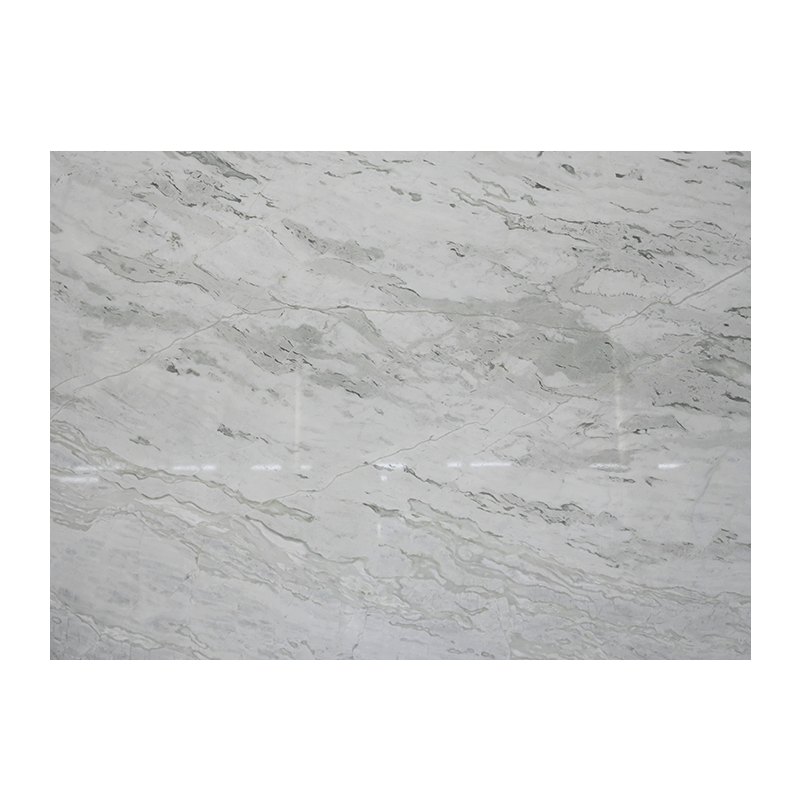
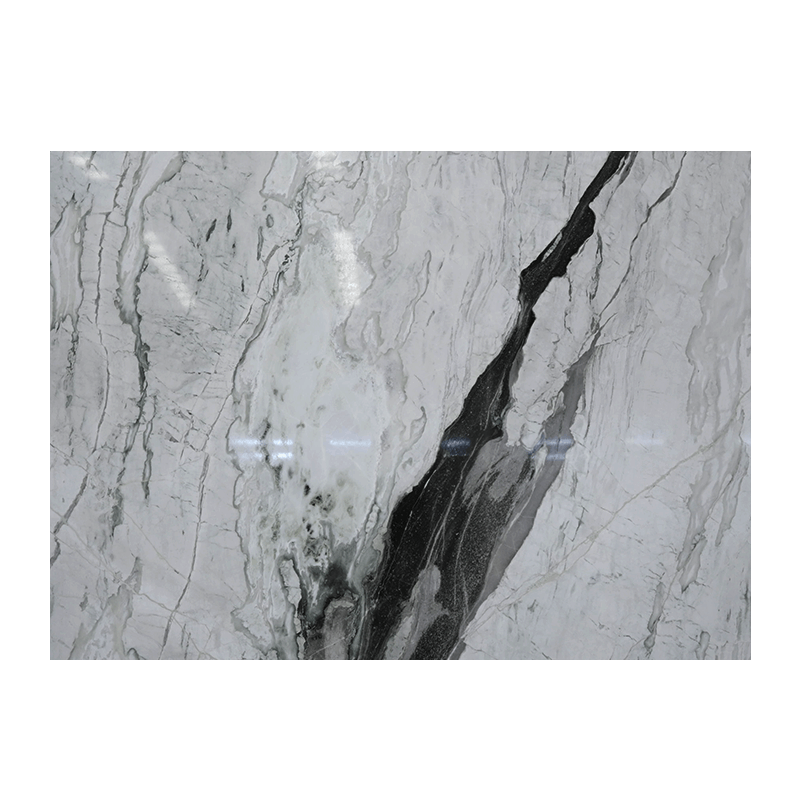
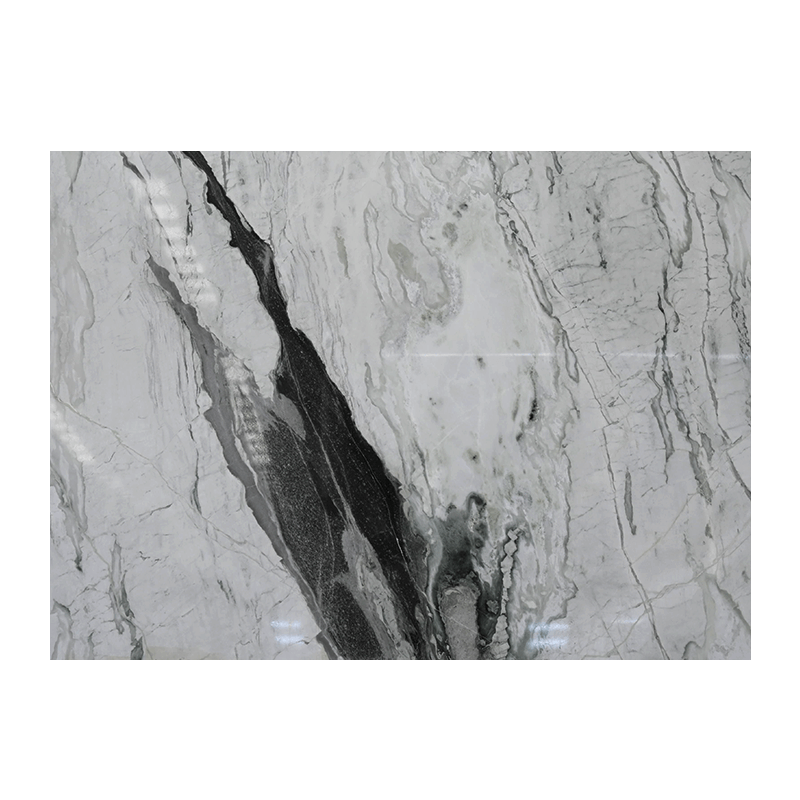
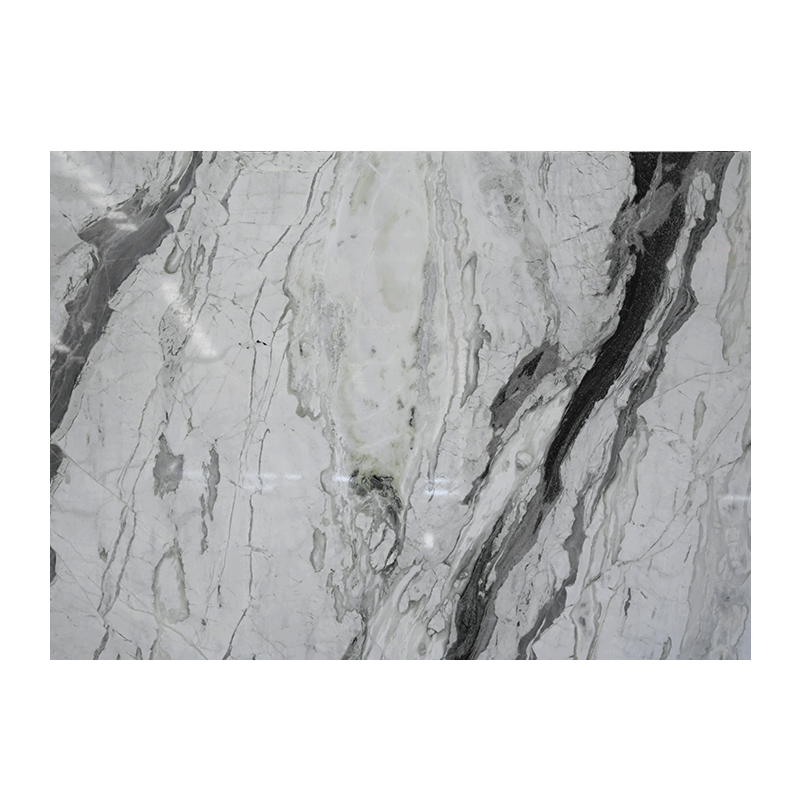
When choosing between Marble Mosaic Tile and Slate Mosaic Tile for outdoor applications in freeze-thaw climates, the verdict is clear: Slate Mosaic Tile generally outperforms Marble Mosaic Tile in environments subject to repeated freezing and thawing cycles. However, marble is not entirely unsuitable — with the right preparation, sealing, and installation techniques, certain marble products can hold their own in mild freeze-thaw conditions. This article breaks down the performance differences across key categories to help you make the most informed decision for your outdoor project.
In climates where temperatures regularly drop below freezing, water absorbed by a tile expands as it turns to ice — increasing in volume by approximately 9%. This expansion creates internal pressure within the tile's pores, which over time leads to cracking, spalling, and surface delamination. The more porous a material, the more vulnerable it is to this cycle.
This is where the fundamental difference between Marble Mosaic Tile and Slate Mosaic Tile becomes critical. Marble typically has a porosity rate between 0.4% and 2.0%, while slate registers at a much lower 0.1% to 0.4%. Lower porosity means less water absorption, which directly translates to superior freeze-thaw performance.
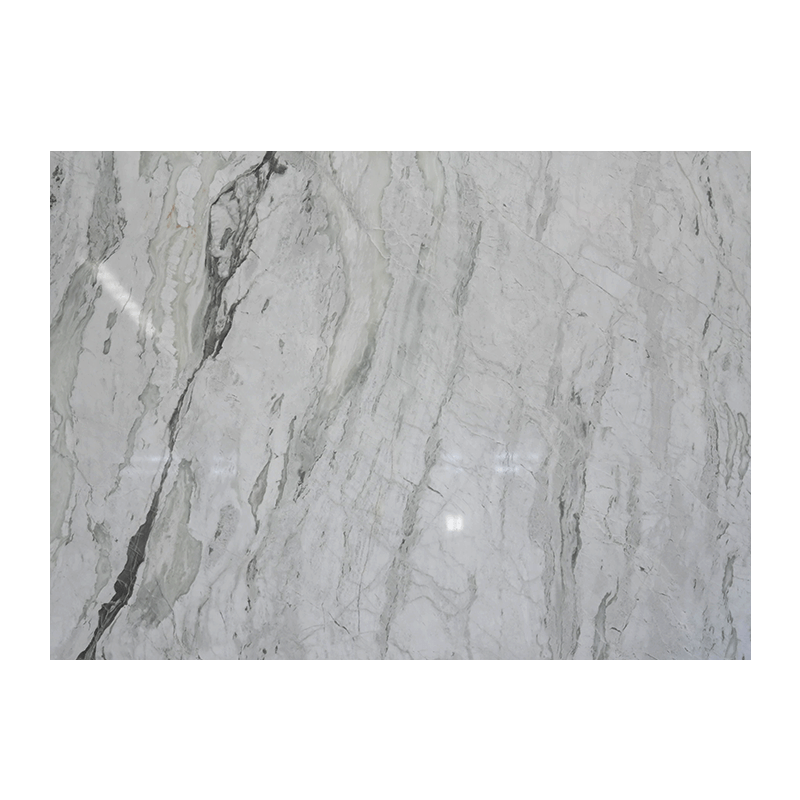
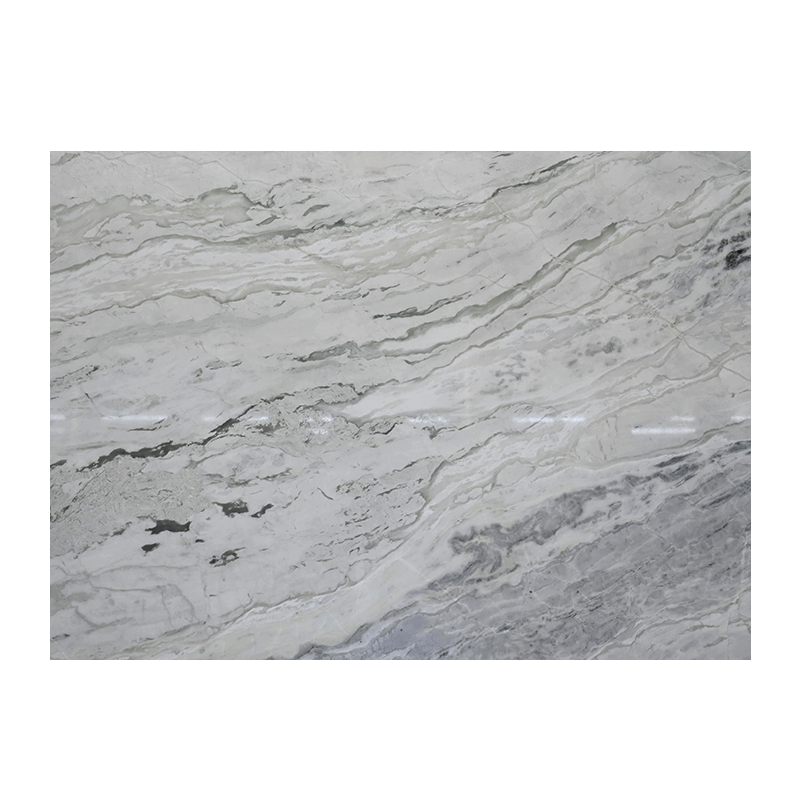
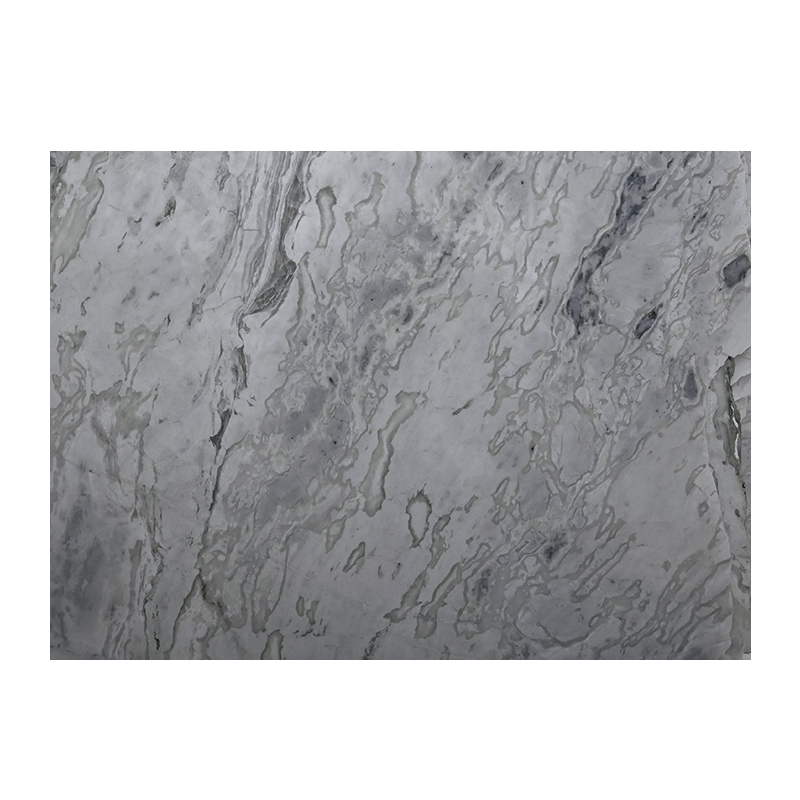
Marble Mosaic Tile is celebrated for its natural elegance, unique veining patterns, and luxurious aesthetic. Popular varieties used in outdoor settings include Carrara, Calacatta, and emperador styles. A well-designed flower marble tile pattern, for example, can add remarkable visual sophistication to a garden path or patio. However, aesthetics must be weighed against performance in cold climates.
Despite these limitations, honed or brushed finish Marble Mosaic Tile — as opposed to polished — performs significantly better outdoors because the texture reduces slipperiness and the matte surface is less prone to showing freeze-thaw micro-damage. If marble is your preference, opting for a tumbled marble mosaic in smaller mesh formats with tight epoxy grouting can improve durability in moderate freeze-thaw zones (USDA Hardiness Zones 6–7).
Slate is a metamorphic rock formed under intense pressure, resulting in a dense, low-porosity structure that is naturally resistant to water penetration. Slate Mosaic Tile made from Brazilian Black, Chinese Multicolor, or Vermont Green slate varieties consistently ranks among the most freeze-thaw resistant natural stone options on the market.
The table below compares the two tile types across the most important outdoor performance metrics for freeze-thaw climates:
| Performance Factor | Marble Mosaic Tile | Slate Mosaic Tile |
|---|---|---|
| Water Absorption Rate | 0.4% – 2.0% | 0.1% – 0.4% |
| Freeze-Thaw Resistance | Moderate (with sealing) | High (inherent) |
| Slip Resistance (Wet) | Low (polished) / Moderate (honed) | High (natural cleft) |
| Salt/Chemical Resistance | Low | High |
| Sealing Frequency | Every 12–18 months | Every 3–5 years |
| Aesthetic Appeal | Very High (luxury look) | High (natural, rustic) |
| Average Cost (per sq ft) | $8 – $25 | $5 – $15 |
| Recommended Climate Zone | Zone 6–7 (mild freeze-thaw) | Zone 3–9 (broad range) |
Understanding the specific outdoor application helps determine which tile is the better fit. Below are common use cases and the recommended choice for freeze-thaw climates:
For pool deck areas in climates with cold winters, Slate Mosaic Tile is the stronger choice. Its natural slip resistance and chemical resistance to pool-adjacent moisture and salts make it far more practical. Marble Mosaic Tile can be used here but demands rigorous annual sealing and is best reserved for covered or partially sheltered pool areas.
A decorative marble floor tile mosaic can create a stunning focal point for a garden entrance or patio centerpiece — but only in Zones 6 and warmer. In Zone 5 and colder, the risk of surface spalling increases dramatically after 5–7 years without rigorous maintenance. Slate Mosaic Tile in earthy tones blends naturally into garden settings and lasts significantly longer without intervention.
In wet outdoor zones such as open-air showers or hot tub surrounds, Slate Mosaic Tile's inherent water resistance and slip-resistant texture give it a clear advantage. These areas are subjected to constant moisture followed by possible freezing overnight — a combination that accelerates freeze-thaw damage in more porous marble.
Regardless of which tile you choose, proper installation is essential for outdoor durability in freeze-thaw climates. Follow these guidelines:
While Marble Mosaic Tile typically costs $8–$25 per square foot compared to Slate Mosaic Tile's $5–$15 range, the real cost gap becomes apparent over time. Annual sealing for marble outdoor installations adds roughly $0.50–$1.50 per square foot per year in product and labor costs. Over a 10-year period, a 200 sq ft marble mosaic patio could incur $1,000–$3,000 in additional maintenance expenses compared to a slate installation requiring sealing only twice in the same timeframe.
Partial tile replacement due to freeze-thaw cracking — which is more common with marble in cold climates — can be costly when attempting to match the natural veining of the original batch. Slate, with its more uniform and durable surface, typically avoids this problem entirely.
For outdoor applications in true freeze-thaw climates — particularly in USDA Zones 3 through 5 — Slate Mosaic Tile is the superior choice in terms of durability, safety, and long-term cost efficiency. Its low porosity, natural slip resistance, and chemical resilience make it purpose-built for harsh outdoor conditions.
Marble Mosaic Tile remains an excellent option for milder climates (Zones 6–7), covered outdoor spaces, or accent features where aesthetics take priority and maintenance is manageable. A decorative flower marble tile inlay within a larger slate mosaic field, for example, offers a compelling compromise — pairing marble's visual grandeur with slate's structural reliability. Similarly, using a marble floor tile mosaic in a sheltered loggia or covered terrace allows you to enjoy the luxury of marble without exposing it to the full force of freeze-thaw weathering.
The best decision depends on your specific climate zone, maintenance commitment, and design goals — but in genuinely cold outdoor environments, slate is the smarter long-term investment.


Factory Address: NO.8,WEST BINHAI ROAD,LAOBAGANG(JIAOXIE TOWN),BINHAI NEW AREA,HAIAN COUNTY,NANTONG,JIANGSU,CHINA


+86-15221350573

+86-571-86632298
 English
 Español
 русский
 عربى
عربى