Material guide / interiors
A material's beauty is only half the story — what it asks of you afterward is the other half. Here is what marble actually costs in time, care, and money once it's on the floor.
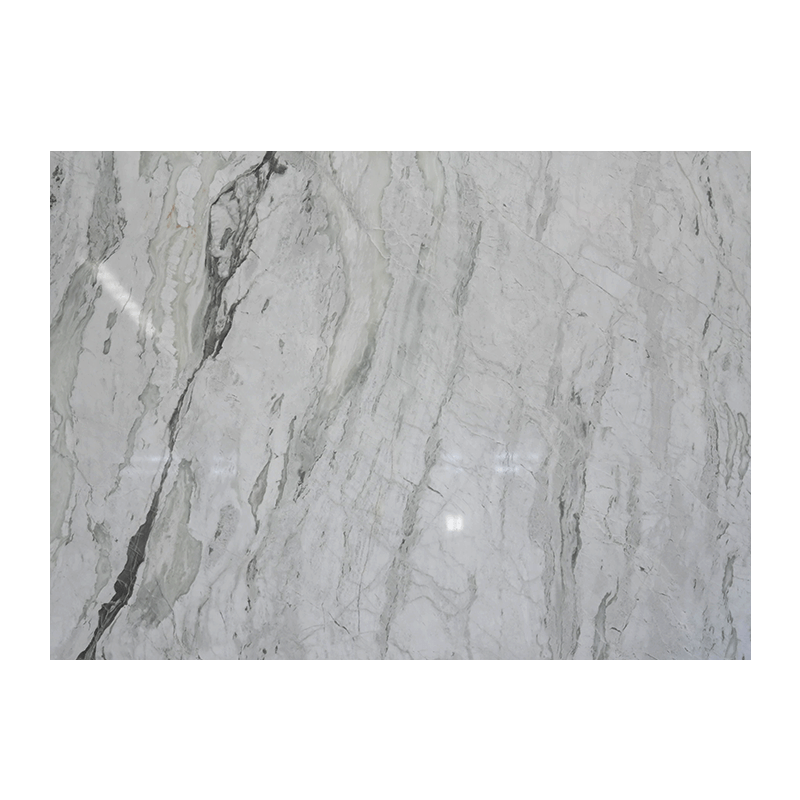
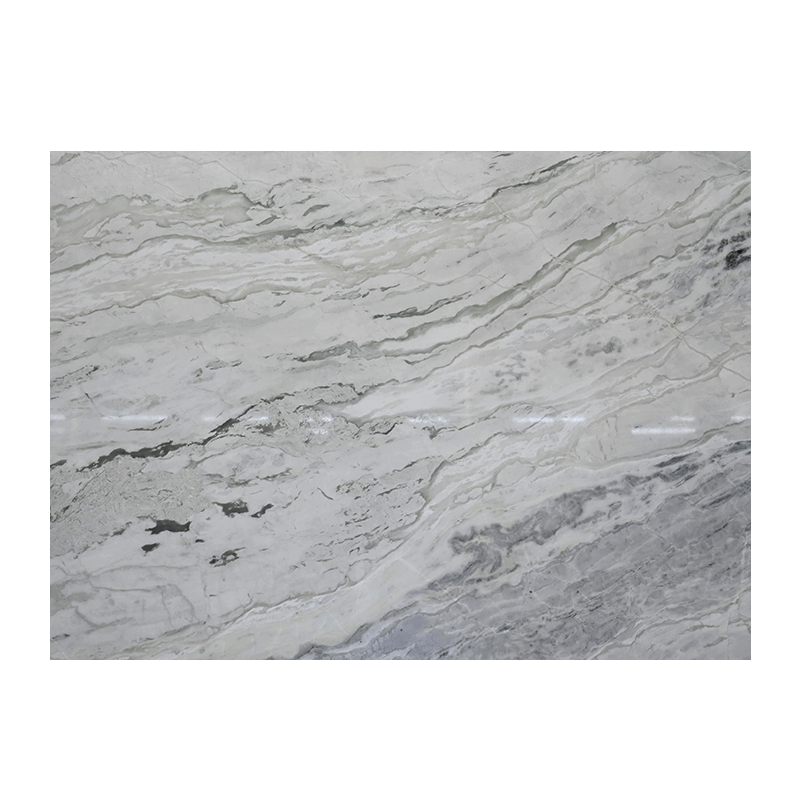
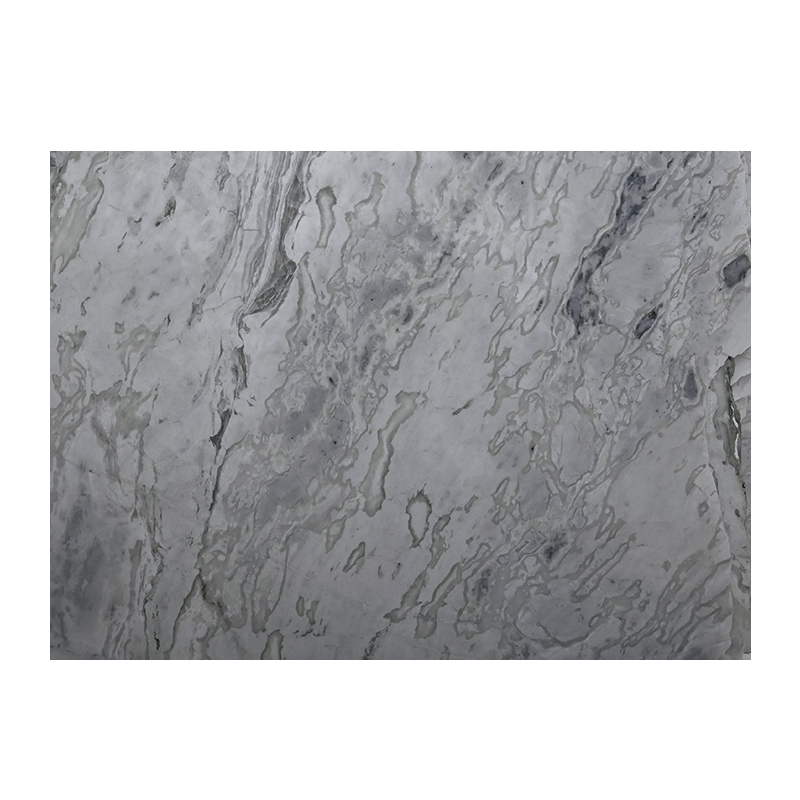
Marble tile requires substantially more upkeep than porcelain or ceramic tile, primarily because of its porous, calcium-based structure. Where porcelain and ceramic tile are essentially maintenance-free once installed, marble tile needs periodic sealing, pH-neutral cleaning products, and careful protection from acidic spills. On average, homeowners spend 2 to 4 times more time and money maintaining marble tile over a 10-year period compared to porcelain or ceramic alternatives.
This difference matters most in kitchens, bathrooms, and entryways, where spills, moisture, and foot traffic accelerate wear. Marble remains a popular choice for accent applications, such as a basketweave marble tile floor pattern or a decorative marble and mosaic backsplash, because the aesthetic payoff often outweighs the added maintenance burden for buyers who understand what they're signing up for.
Marble is a natural stone formed from recrystallized limestone, and its crystalline structure contains microscopic pores. These pores allow liquids to penetrate the surface rather than sit on top of it. Porcelain tile, fired at extremely high temperatures, has a water absorption rate of less than 0.5%, while unglazed ceramic tile typically absorbs under 3%. Marble, by comparison, can absorb 0.4% to 0.6% when sealed — but this can climb well above 1% once the sealant wears down, the threshold at which staining becomes a real concern.
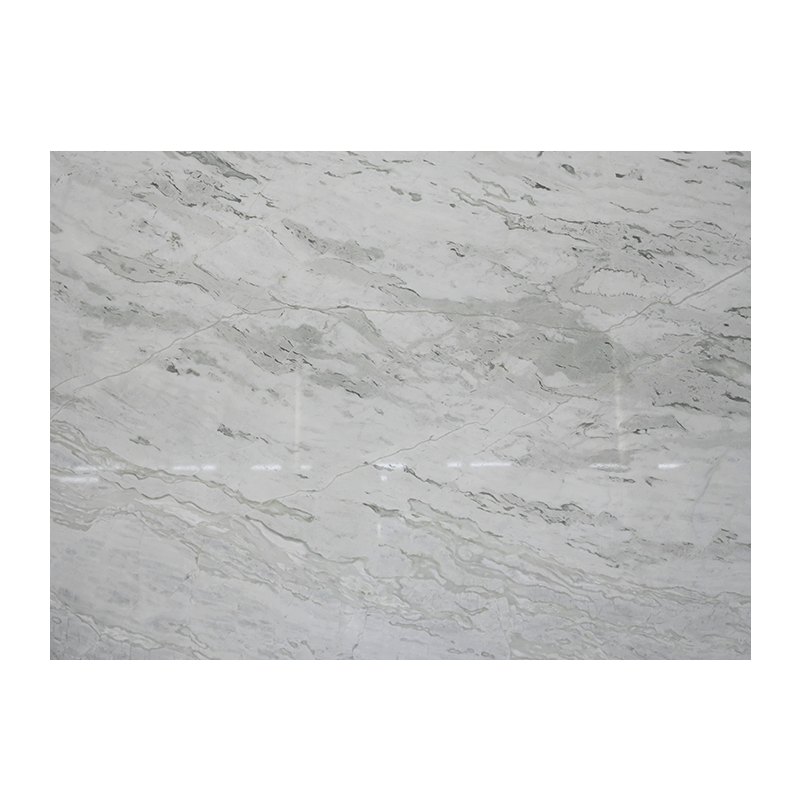
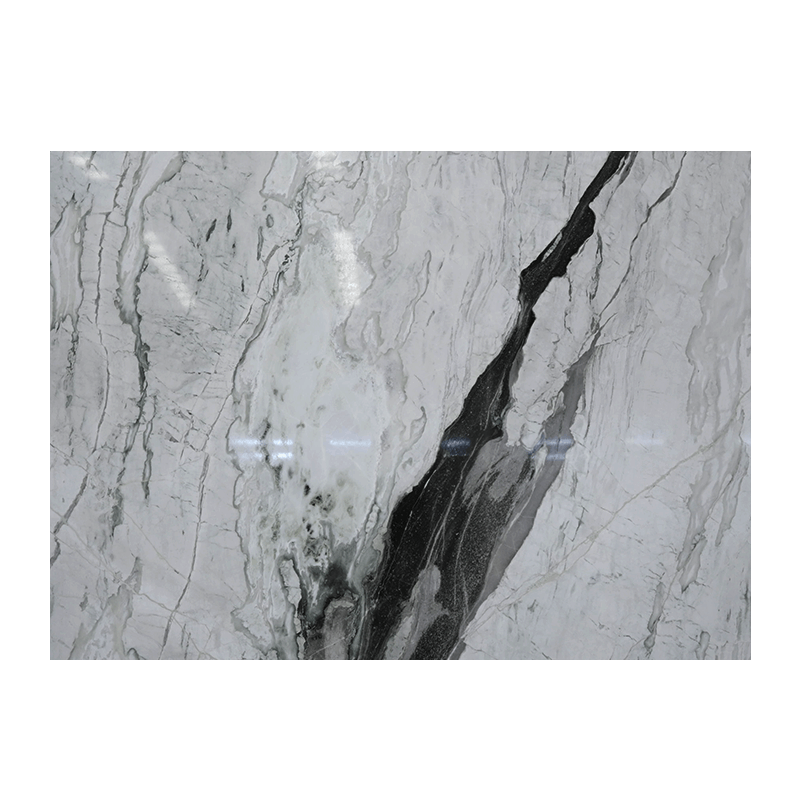
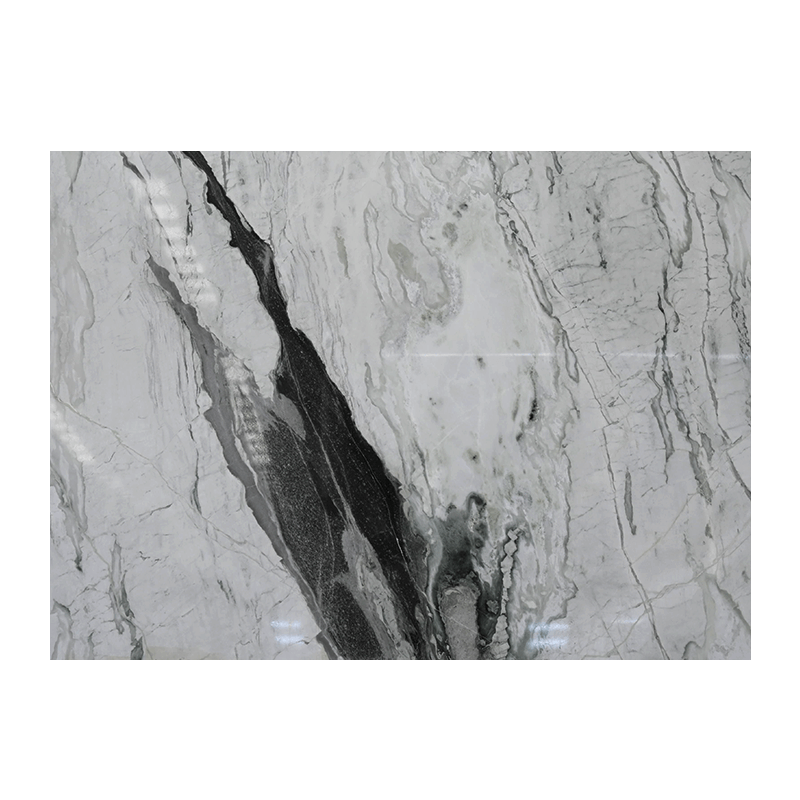
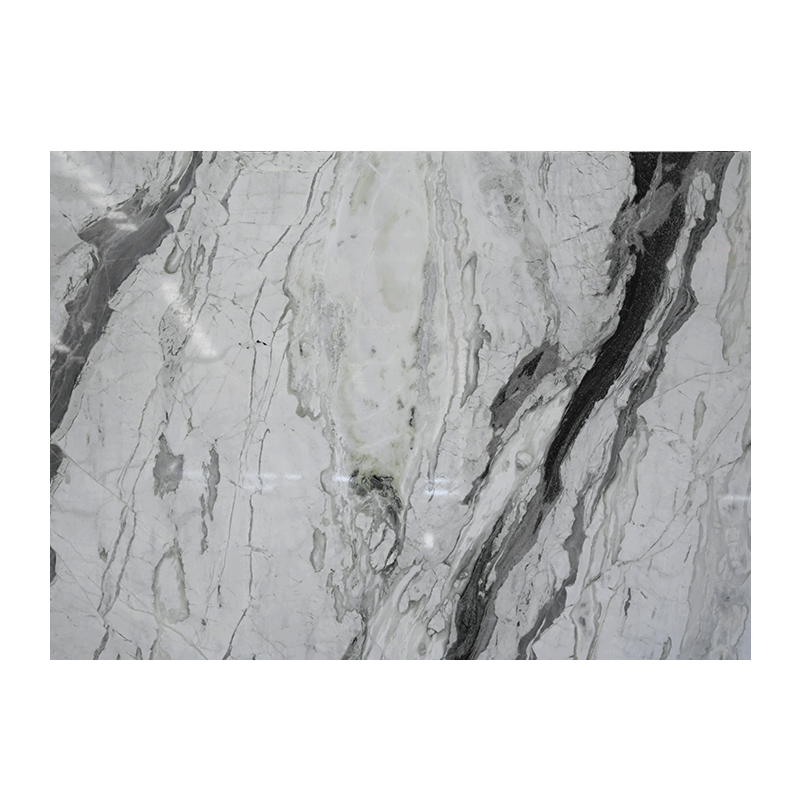
marble tile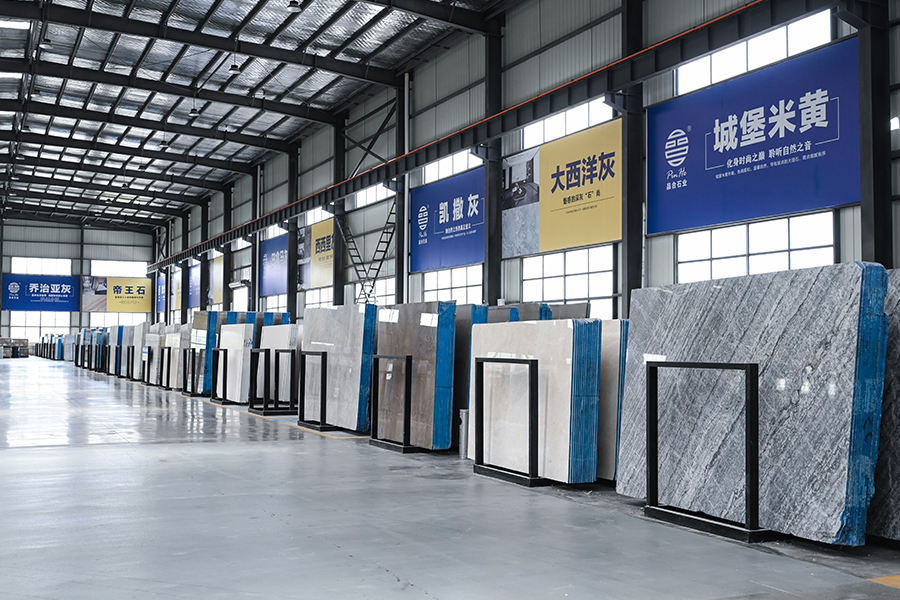
Marble is composed largely of calcium carbonate, which reacts with acidic substances like lemon juice, vinegar, and wine. This reaction causes etching — a dull, cloudy mark that cannot be wiped away and often requires professional polishing to correct. Porcelain and ceramic tile, being non-reactive fired materials, are immune to this type of chemical damage.
Sealing is the single largest task that separates marble from porcelain or ceramic. A newly installed marble floor needs to be sealed immediately after grouting, then resealed on a recurring schedule depending on traffic and moisture exposure.
Porcelain and ceramic tile require no sealing at all in most residential applications, since the tile body itself is already vitrified and impervious to water. Only the grout lines typically need occasional sealing — a much smaller and less frequent task.
Day-to-day cleaning is where the gap becomes most noticeable. Marble cannot be cleaned with most general-purpose or acidic cleaners, since these strip the sealant and etch the stone over time. Instead, marble requires pH-neutral, stone-safe cleaners formulated for natural stone, along with soft microfiber cloths to avoid scratching the polished finish.
A spilled glass of wine, left overnight on marble, can leave a mark no amount of wiping will undo. On porcelain, it's simply a Tuesday.
Porcelain and ceramic tile tolerate a much wider range of cleaning products, including mild dish soap and standard multipurpose cleaners. Spills can be wiped up at leisure without the urgency required on marble.
| Maintenance task | Marble tile | Porcelain tile | Ceramic tile |
|---|---|---|---|
| Sealing frequency | Every 3–18 months | Not required | Not required |
| Cleaner restrictions | pH-neutral only | Minimal restrictions | Minimal restrictions |
| Spill response time | Immediate | Flexible | Flexible |
| Professional polishing needed | Every 1–3 years | Rarely | Rarely |
Beyond the labor of cleaning and sealing, marble carries ongoing financial costs that porcelain and ceramic simply don't. Professional resealing typically runs $1.50 to $3.00 per square foot, and a full re-polishing to remove etching or restore shine can cost $5 to $10 per square foot. Over a 10-year period, a 300-square-foot marble kitchen floor could realistically cost $1,500 to $4,000 in cumulative sealing, polishing, and repair services.
Porcelain and ceramic floors of the same size generally incur near-zero ongoing sealing or polishing costs, with expenses limited mostly to occasional grout cleaning or re-grouting after 10 to 15 years. This is one of the most concrete, quantifiable disadvantages of choosing marble over a manufactured tile alternative.
Watch for this
A neglected marble seal isn't always visible right away. By the time staining shows, the damage is often already set into the stone.
Despite the added care marble demands, many buyers still choose it for design applications a manufactured tile cannot replicate. A basketweave marble tile pattern, for example, is frequently used in entryways and powder rooms because the interlocking rectangular pieces create a woven, dimensional look that reads as timeless and high-end. Because these installations are often in lower-traffic, decorative zones, the sealing schedule can lean toward the 12-to-18-month range rather than the more demanding kitchen or bathroom timeline.
Similarly, a marble and mosaic combination — small marble chips or tiles set alongside glass or stone accents — is a common choice for shower floors and backsplashes. Buyers generally accept the higher maintenance commitment in exchange for a design statement porcelain or ceramic can only approximate. Since mosaic-set marble has more grout lines and edge exposure, it typically needs more frequent sealing than a standard marble floor.
Good to know
A penetrating sealer, rather than a topical coating, tends to last longer and won't leave the surface slippery underfoot.
Worth doing
Followed consistently, this routine won't close the maintenance gap with porcelain, but it meaningfully extends the life of a polished finish.
Avoid
Standard bathroom or kitchen cleaners, vinegar-based solutions, and anything acidic — all will etch an unsealed or under-sealed marble surface.
For buyers who want a low-maintenance, worry-free floor, porcelain or ceramic tile is the clear practical choice — both resist stains, scratches, and moisture without any sealing routine, and hold up to virtually any household cleaner. For buyers who prioritize the natural veining, depth, and prestige only real stone can offer, marble remains worth the extra care, particularly in accent applications like a basketweave marble tile entryway or a marble and mosaic shower surround, where the design impact is concentrated in a smaller, more manageable area.
Understanding this trade-off before installation — rather than discovering it afterward — is the single best way to avoid maintenance regret with either material.


Factory Address: NO.8,WEST BINHAI ROAD,LAOBAGANG(JIAOXIE TOWN),BINHAI NEW AREA,HAIAN COUNTY,NANTONG,JIANGSU,CHINA


+86-15221350573

+86-571-86632298
 English
 Español
 русский
 عربى
عربى