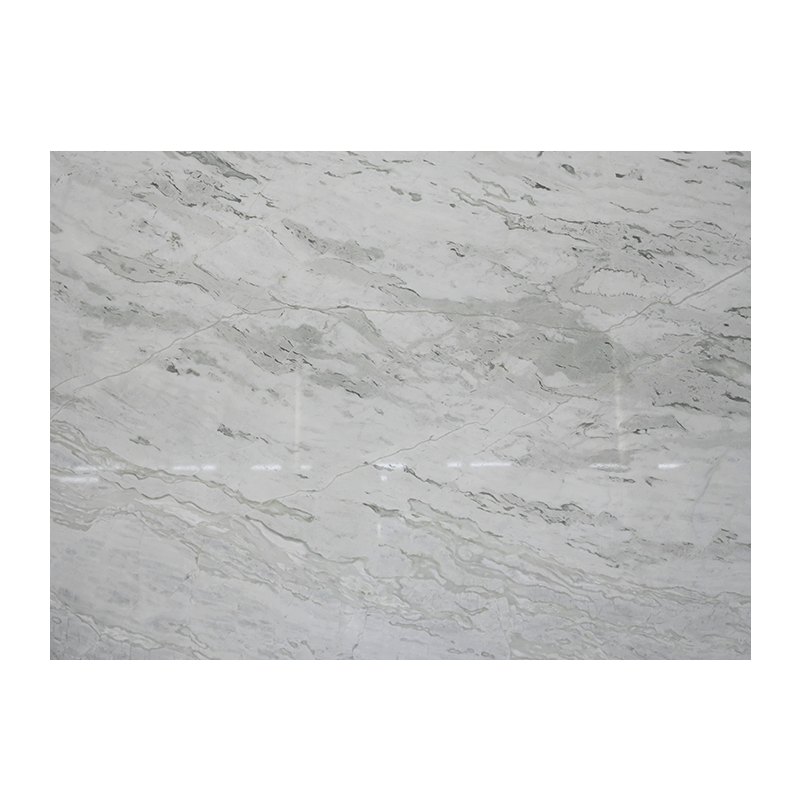
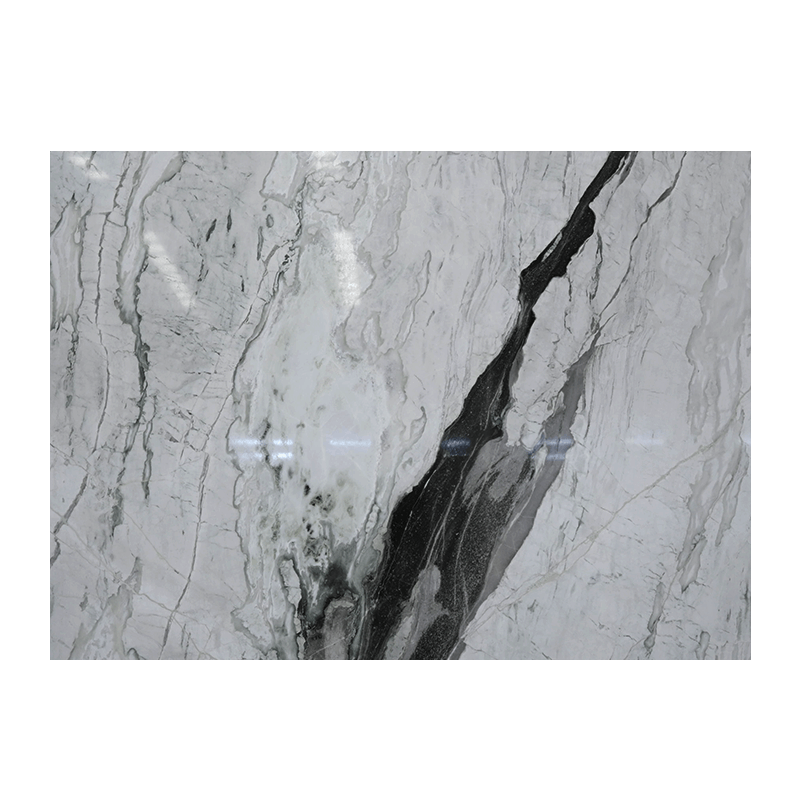
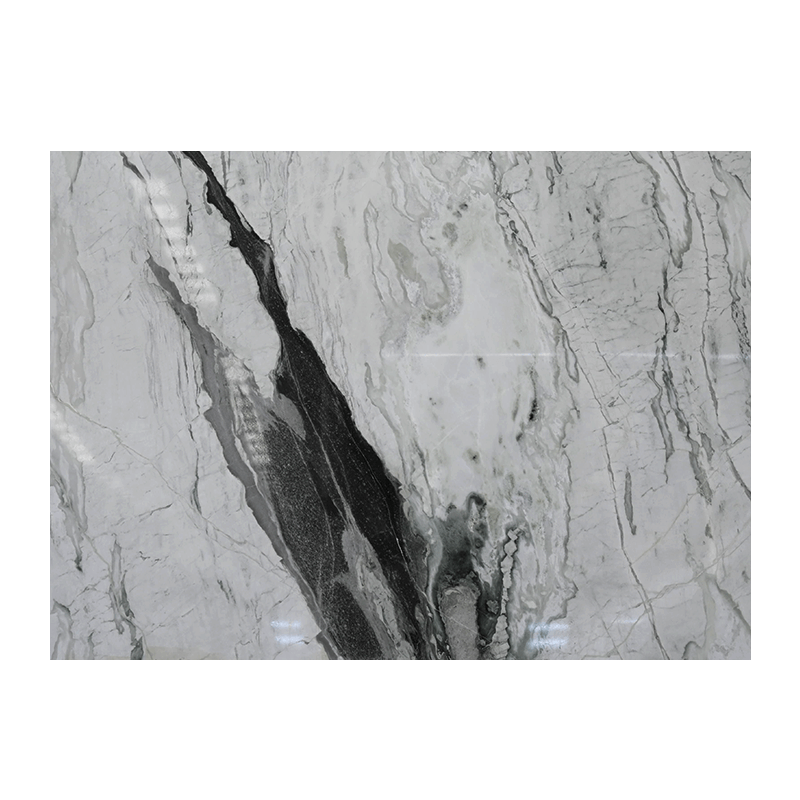
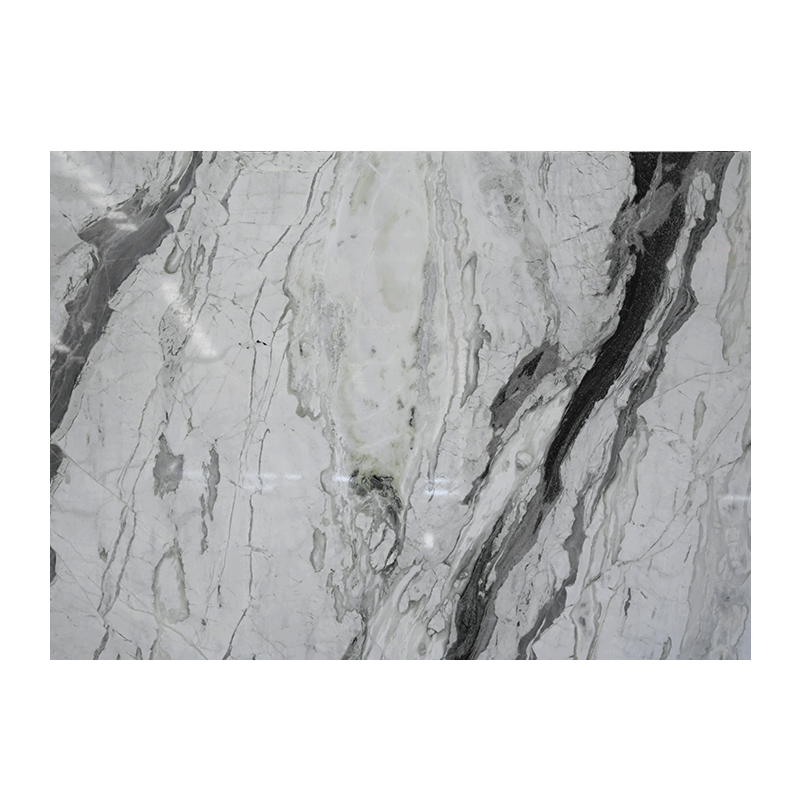
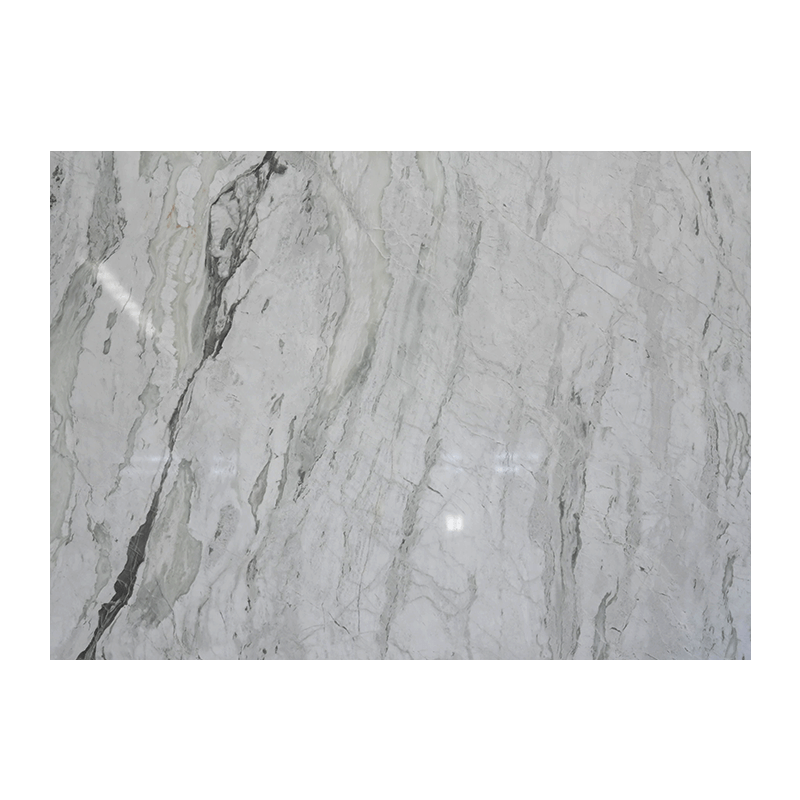
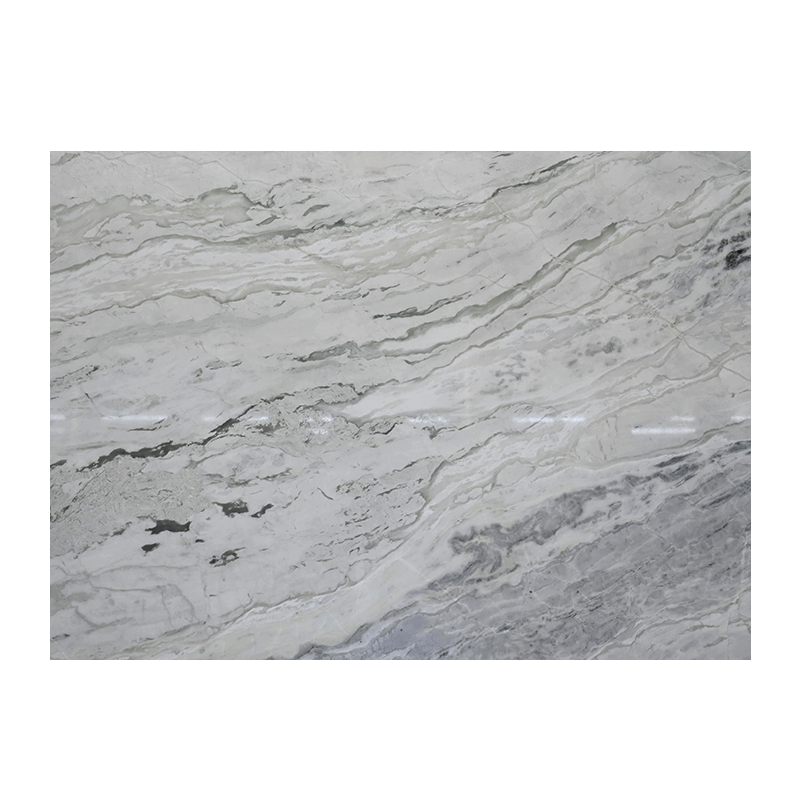
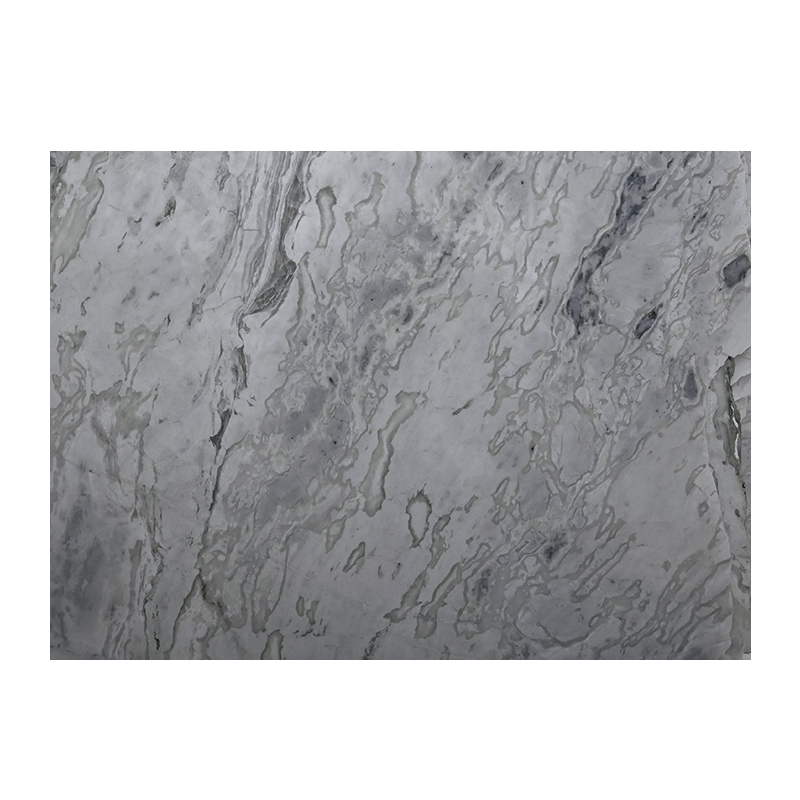
Polished Marble Mosaic Tiles are made from natural crystalline marble, primarily composed of calcite or dolomite, which inherently exhibits a moderate coefficient of thermal expansion. This property allows the tiles to expand and contract gradually as temperatures fluctuate, distributing thermal stresses internally through the crystalline lattice. The mineral structure of marble gives it a certain resilience to minor temperature changes, allowing it to absorb energy without cracking. However, extreme or abrupt temperature changes—such as sudden exposure to direct sunlight after a cold night—can create localized stress points along grain boundaries or existing micro-fissures. Understanding the specific thermal expansion characteristics of the selected marble type is critical for predicting how it will respond to indoor or outdoor thermal cycling and ensuring long-term performance without structural compromise.
The mosaic format inherently improves thermal shock resistance compared to large slab tiles. Small, individual tiles mounted on a flexible mesh backing can expand and contract independently, which prevents the accumulation of stress across the tiled surface. Tile thickness also plays a critical role: thinner tiles respond more uniformly to rapid temperature changes because heat penetrates and dissipates more quickly, reducing internal stress gradients. Properly sized grout joints between the mosaic tiles act as micro-expansion buffers, absorbing movement caused by thermal expansion. Inadequate grout spacing or oversized tiles without joints increases the risk of cracking or lifting. Thus, careful consideration of tile size, thickness, mosaic layout, and joint width is essential for thermal resilience, particularly in outdoor or high-heat applications.
Indoors, polished marble mosaics are generally subject to moderate, predictable temperature variations caused by HVAC systems, sunlight through windows, or radiant floor heating. In these controlled environments, thermal stresses are relatively minor. The small size of mosaic tiles combined with flexible adhesives and grout allows the tiles to accommodate gradual expansion and contraction without cracking. Subfloor heating systems must use adhesives that are thermally compatible with both the marble and substrate to prevent stress accumulation. Proper expansion joints around perimeters and at structural transitions further relieve any potential thermal stress. With these design and installation considerations, polished marble mosaics maintain both structural integrity and aesthetic appearance indoors over long periods.
Outdoor environments present greater challenges due to rapid and extreme temperature swings, including intense sunlight, rapid cooling at night, freezing conditions, and precipitation. Thermal shock occurs when the surface temperature of the tiles changes more rapidly than the internal temperature, creating stress differentials that can lead to cracking or spalling. Moisture penetration into pores or minor fissures can exacerbate the problem during freeze-thaw cycles, as water expands upon freezing. To mitigate these risks, it is essential to use polished marble mosaics that are naturally low in porosity and rated for freeze-thaw resistance. Sealants can prevent water ingress, while flexible grout and sufficient expansion joints accommodate thermal movement. Avoiding continuous, uninterrupted surfaces without joints further reduces stress accumulation and prevents large-scale cracking.
The thermal performance of polished marble mosaics is also highly dependent on substrate compatibility. Substrates must have thermal expansion characteristics similar to the marble to prevent differential movement, which can cause tile cracking or adhesive failure. Rigid or non-compliant substrates exacerbate thermal stress, especially in outdoor applications. The use of flexible, weather-resistant adhesives ensures the tiles remain bonded even when minor thermal expansion occurs. Properly installed expansion joints, lightweight mortar beds, and efficient drainage systems help relieve stress caused by thermal cycling and water accumulation, reducing freeze-thaw damage in outdoor installations. Ensuring mechanical and thermal compatibility between tile, grout, adhesive, and substrate is critical to the long-term durability of the mosaic surface.
Regular maintenance significantly enhances the thermal shock resistance of polished marble mosaics. Applying high-quality sealants protects the marble from water penetration, reducing freeze-thaw-related stress in colder climates. Monitoring grout and adhesive conditions allows early detection of micro-cracks or loosening, enabling timely repairs to prevent stress propagation. Using lighter-colored marble in outdoor settings minimizes heat absorption and decreases the severity of thermal cycling. Additionally, avoiding direct exposure to extremely abrupt thermal changes whenever possible, combined with periodic cleaning and sealing, preserves both the structural integrity and visual quality of the tiles over time.


Factory Address: NO.8,WEST BINHAI ROAD,LAOBAGANG(JIAOXIE TOWN),BINHAI NEW AREA,HAIAN COUNTY,NANTONG,JIANGSU,CHINA


+86-15221350573

+86-571-86632298
 English
 Español
 русский
 عربى
عربى