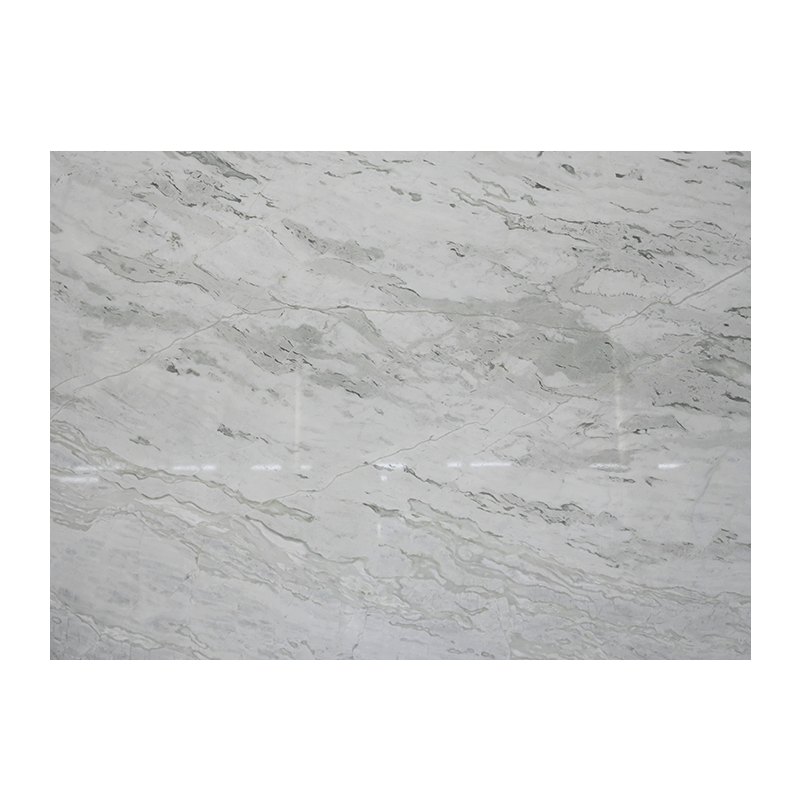
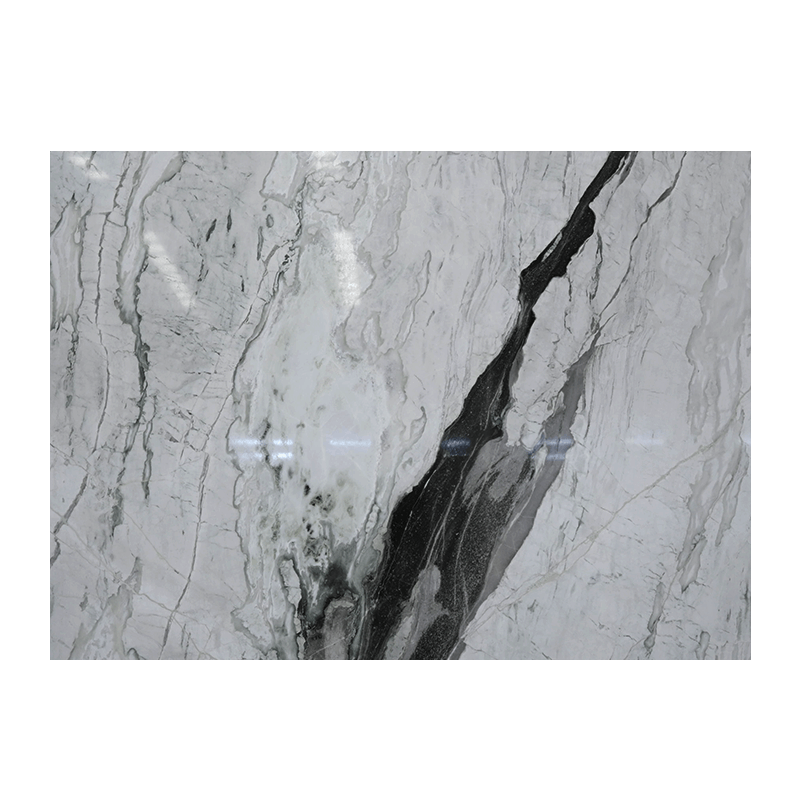
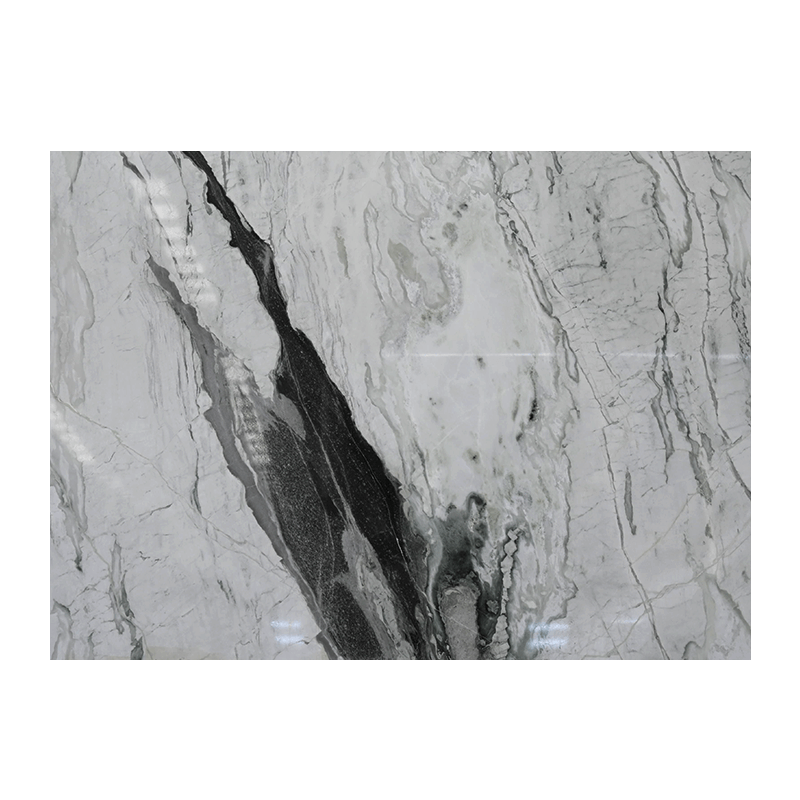
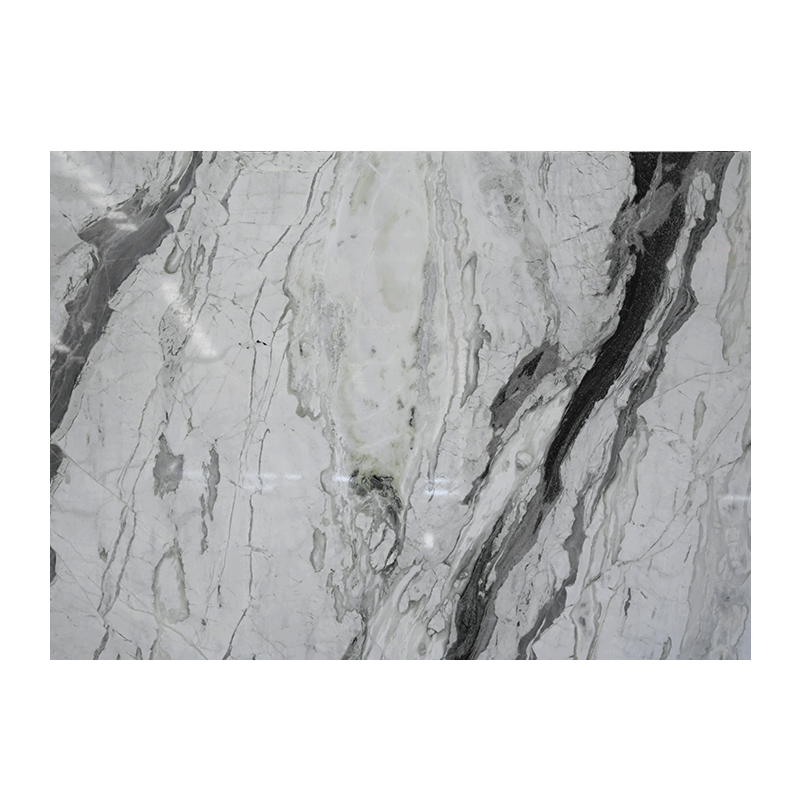
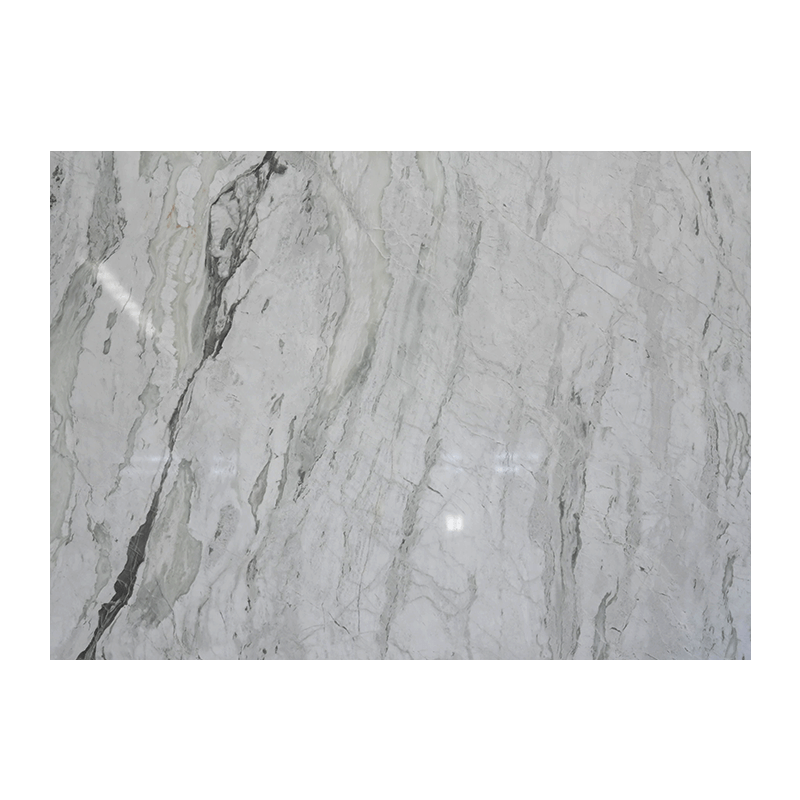
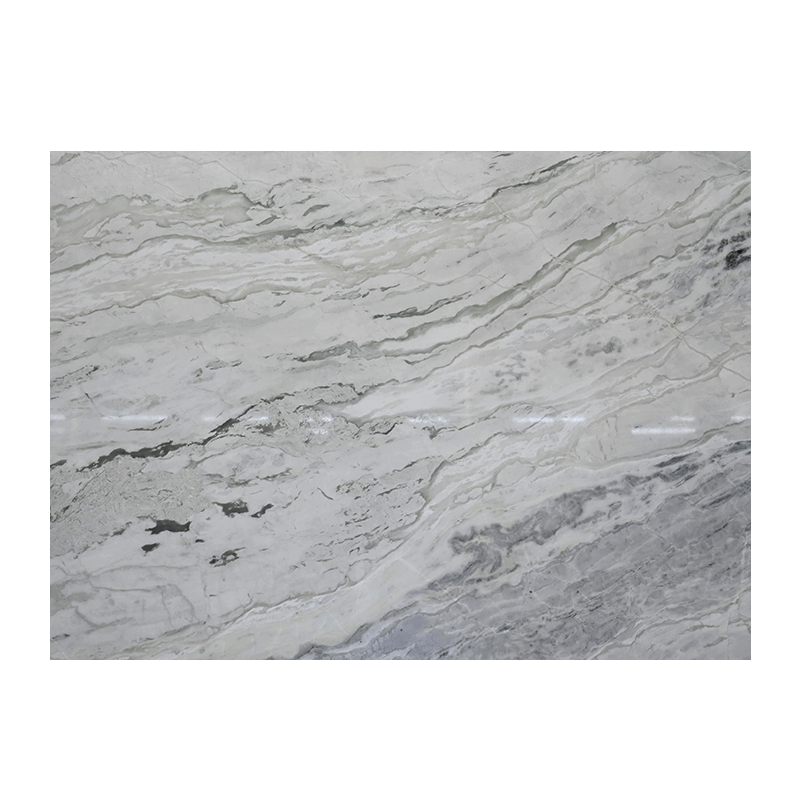
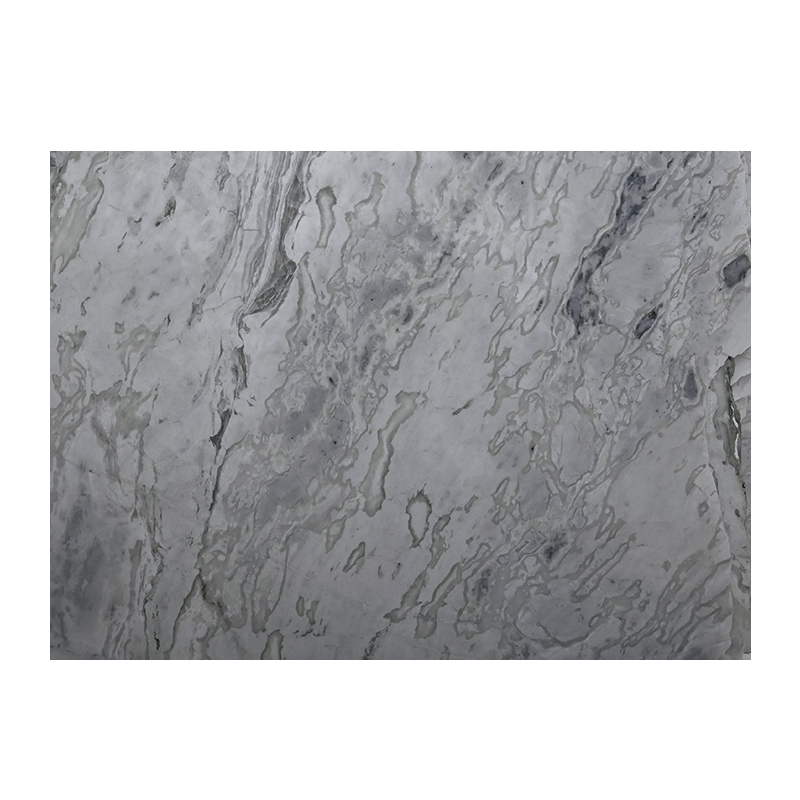
Polished Marble Blocks are naturally porous materials composed of calcite, dolomite, or other mineral constituents. The moisture absorption rate represents the stone’s capacity to absorb water into its micro-pores and fissures and is typically expressed as a percentage of the stone’s dry weight. This property is highly dependent on the mineral composition, natural veining, and density of the marble, with dense marbles like Carrara or Calacatta exhibiting lower absorption rates, while marbles with prominent veining or micro-fractures may have higher rates. Moisture penetration affects not only structural integrity but also surface aesthetics, making it a critical factor in selecting Polished Marble Blocks for wet or humid environments. Engineers, architects, and designers must assess this property to determine the marble’s resilience under prolonged exposure to water, humidity, or condensation.
The moisture absorption characteristics of Polished Marble Blocks directly influence their long-term structural performance. Water that penetrates the micro-pores can expand during freeze-thaw cycles, causing internal stress that leads to micro-cracking, fissuring, or delamination, particularly in climates with significant temperature variations. High absorption rates also increase the likelihood of efflorescence, where dissolved salts migrate to the surface and crystallize, weakening the stone matrix and creating unsightly deposits. For applications such as exterior cladding, stair treads, or flooring, selecting marble with a low moisture absorption rate ensures structural stability and reduces the risk of water-induced damage, thus prolonging the functional lifespan of the installation. Proper assessment of moisture absorption is essential to prevent mechanical degradation that could compromise load-bearing capacity and safety over time.
Even polished surfaces are not completely impervious to water, as moisture can penetrate below the surface through micro-pores. High moisture absorption rates can lead to staining, discoloration, and mineral etching, particularly when the stone is exposed to acidic substances, cleaning agents, or prolonged water contact. Polished Marble Blocks with low absorption rates maintain surface gloss, color uniformity, and veining integrity even in high-humidity conditions. For marbles with higher absorption, protective measures such as impregnating sealers or topical coatings are necessary to reduce water penetration and preserve the aesthetic quality. Failure to account for moisture absorption in design and maintenance can result in loss of polish, uneven coloration, and visual deterioration, undermining the marble’s decorative value and functional performance.
The moisture absorption rate significantly affects the maintenance schedule and effort required for Polished Marble Blocks. Higher absorption necessitates frequent sealing and careful cleaning to prevent water infiltration, staining, and microbial growth such as mold or algae, especially in wet areas like bathrooms, kitchens, or outdoor installations. Polished Marble Blocks with low absorption rates require less frequent maintenance, allowing for long-term preservation of structural and aesthetic integrity. Regular inspection and resealing of porous marbles in high-humidity environments are essential to prevent water-related damage and maintain performance. Maintenance strategies should include appropriate cleaning agents that do not degrade the sealer or surface polish and monitoring of moisture exposure to mitigate long-term deterioration.
Selecting Polished Marble Blocks for wet or humid environments requires careful evaluation of moisture absorption properties alongside aesthetic and structural requirements. Marbles with absorption rates below 0.4–0.6% are typically preferred for high-humidity or water-exposed applications, as they demonstrate excellent resistance to water penetration, staining, and freeze-thaw stress. For marbles with slightly higher absorption, application of high-quality impregnating sealers can enhance water resistance, allowing safe use in wet areas. Designers should also consider marble density, veining patterns, and pore structure, as these factors influence water uptake and long-term durability. Integrating these considerations ensures that Polished Marble Blocks maintain both functionality and visual appeal while minimizing the risk of moisture-related damage.


Factory Address: NO.8,WEST BINHAI ROAD,LAOBAGANG(JIAOXIE TOWN),BINHAI NEW AREA,HAIAN COUNTY,NANTONG,JIANGSU,CHINA


+86-15221350573

+86-571-86632298
 English
 Español
 русский
 عربى
عربى