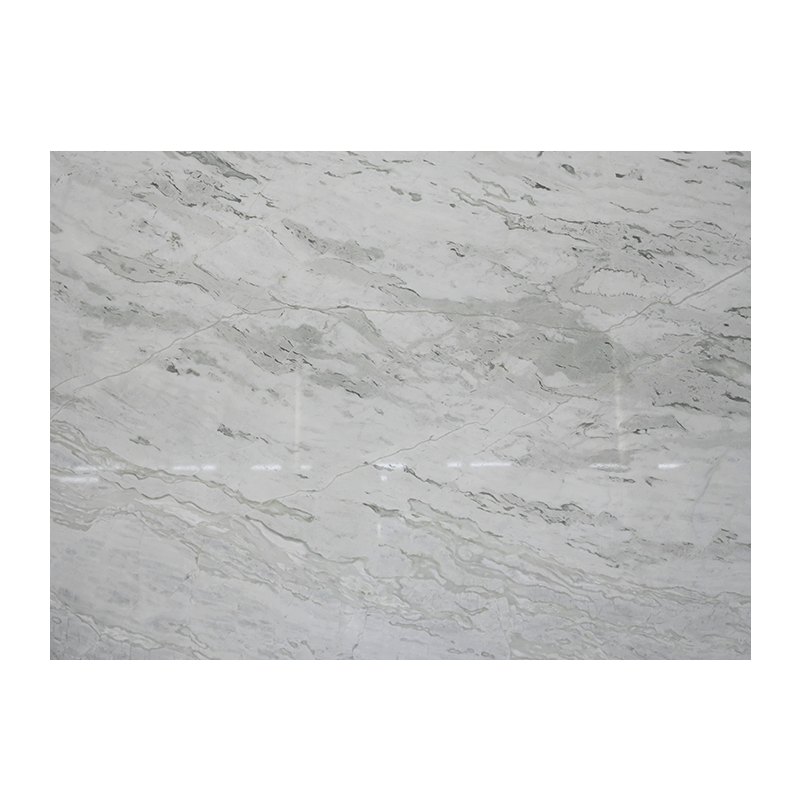
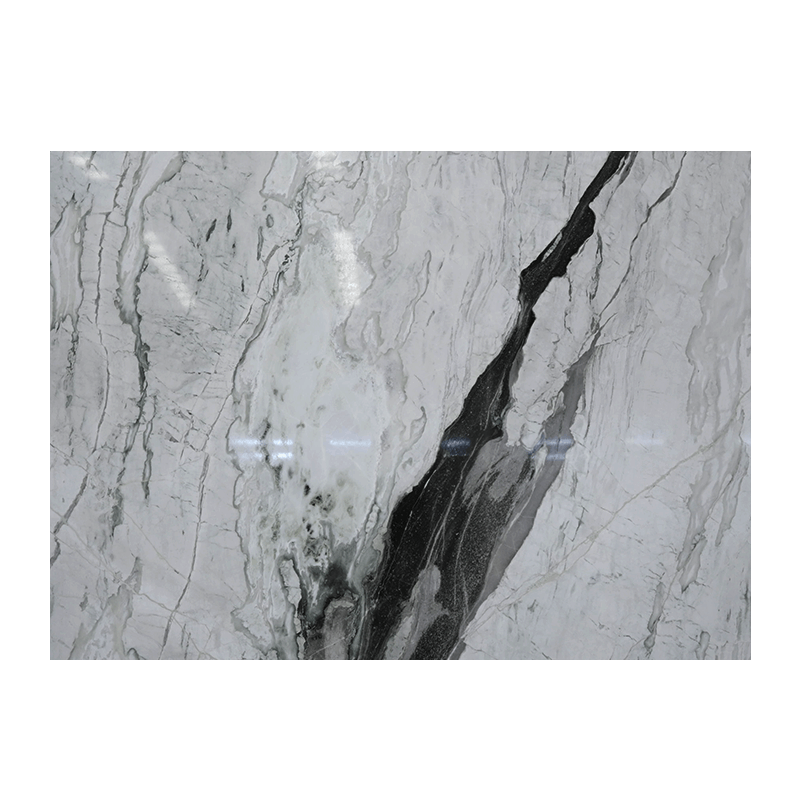
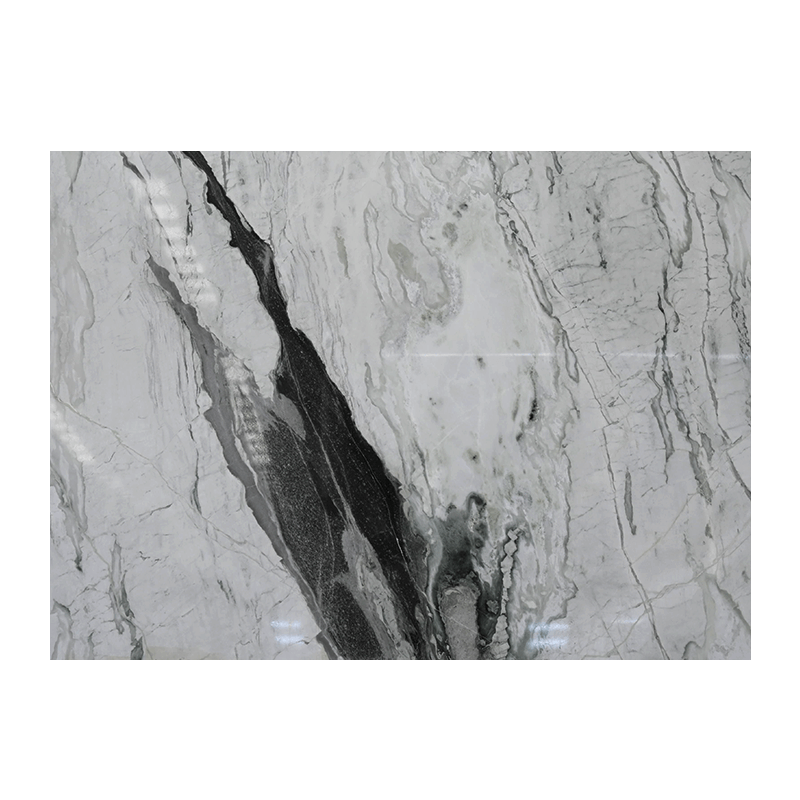
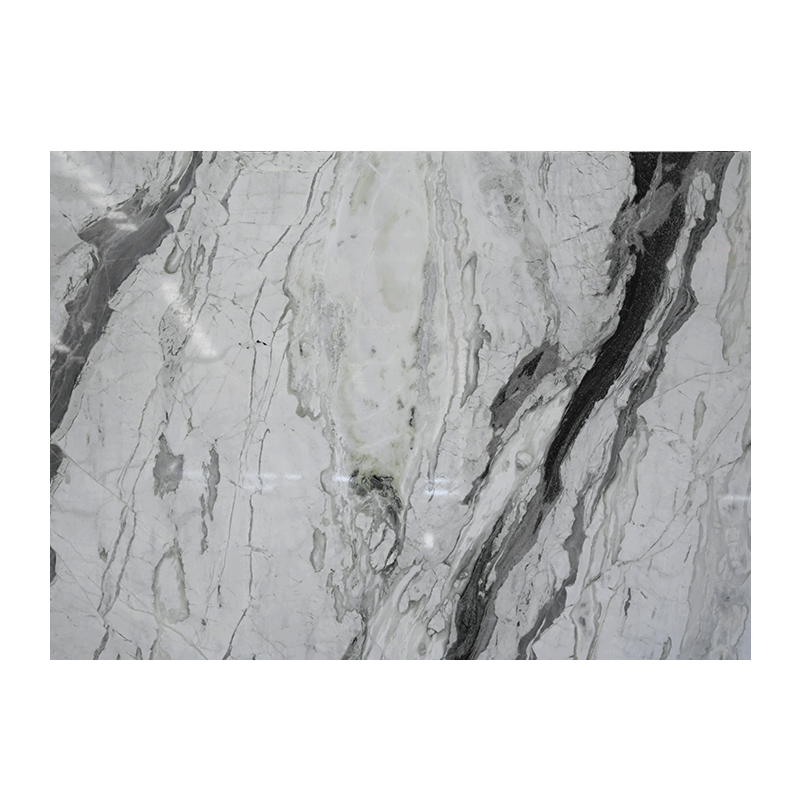
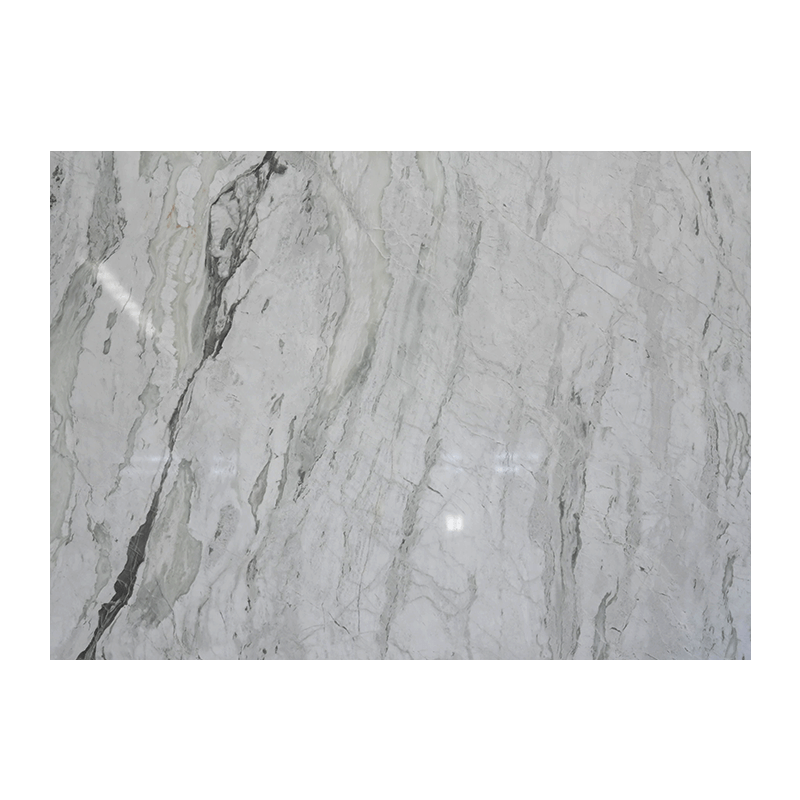
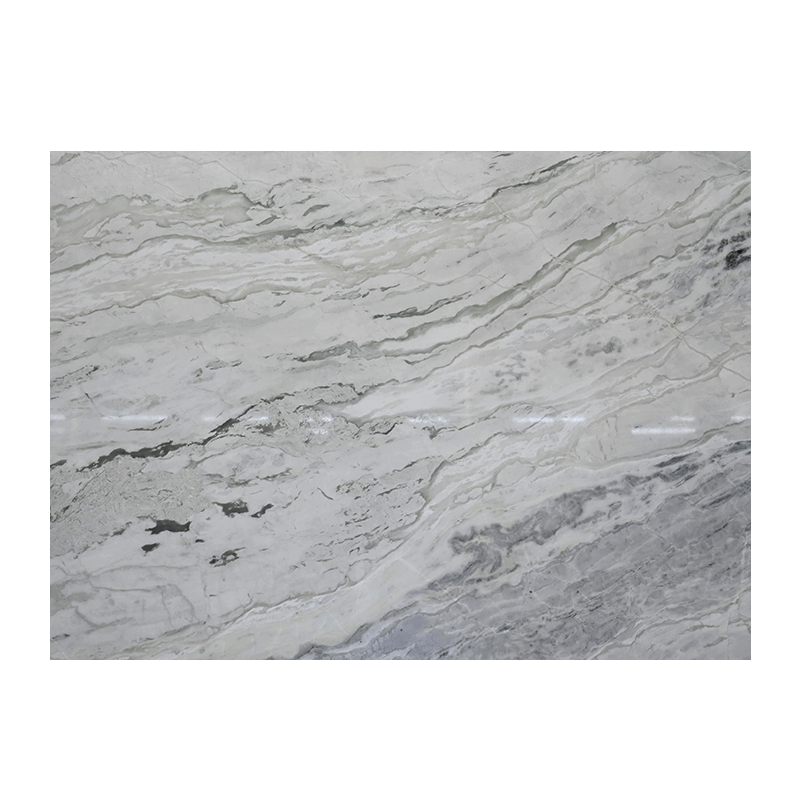
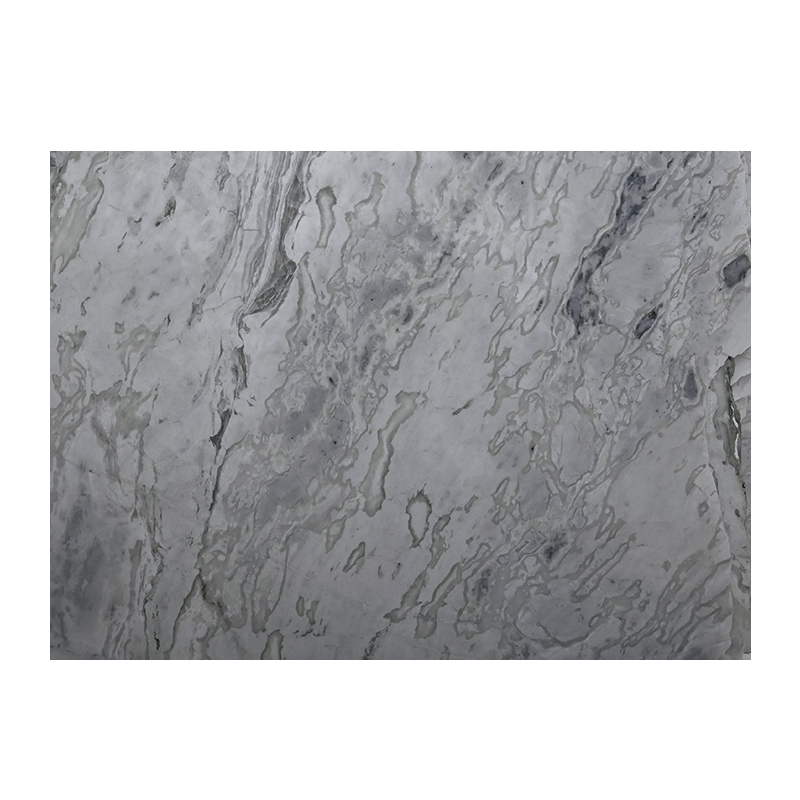
Polished Marble Mosaic Tile requires significantly more maintenance than Polished Granite Mosaic Tile to retain its shine. Marble is a calcium carbonate-based stone with a Mohs hardness of around 3–4, making it highly susceptible to etching, staining, and surface dulling. Granite, by contrast, scores 6–7 on the Mohs scale and is far more resistant to acids, moisture, and daily wear. If long-term luster with minimal effort is your priority, granite holds a clear advantage. That said, the visual warmth and luxury of a well-maintained Marble Mosaic Tile surface is difficult to replicate — making the extra upkeep worthwhile for many homeowners and designers.
The core reason lies in mineralogy. Marble is formed from recrystallized limestone, composed primarily of calcite — a mineral that reacts chemically with even mildly acidic substances. Common household items like lemon juice, vinegar, wine, and certain cleaning sprays (pH below 7) can etch the polished surface of a Polished Marble Mosaic Tile within seconds, leaving dull, frosted marks that are difficult to reverse without professional re-polishing.
Polished Granite Mosaic Tile, on the other hand, is composed of quartz, feldspar, and mica — all of which are chemically inert to most household acids. A splash of orange juice on a granite surface causes no damage whatsoever, while the same spill on marble can leave a permanent etch if not wiped immediately.
Additionally, marble is more porous than granite. Without proper sealing, marble readily absorbs oils, pigments, and water — leading to deep staining that can be nearly impossible to remove fully. Granite's tighter crystalline structure makes it naturally more stain-resistant, even before sealing.
To understand the real-world maintenance gap, consider the following comparison across key upkeep categories:
| Maintenance Task | Polished Marble Mosaic Tile | Polished Granite Mosaic Tile |
|---|---|---|
| Sealing Frequency | Every 6–12 months | Every 1–3 years |
| Acid Sensitivity | High — etches easily | Low — chemically resistant |
| Scratch Resistance | Low (Mohs 3–4) | High (Mohs 6–7) |
| Re-polishing Needed | Every 3–5 years (heavy use) | Rarely necessary |
| Safe Cleaners | pH-neutral only | Most pH-balanced cleaners |
| Stain Absorption Risk | High without sealing | Low to moderate |
Maintaining the shine of a Marble Mosaic surface requires a disciplined daily routine. The good news is that with the right habits, marble can remain stunning for decades. Here is what consistent care looks like in practice:
By comparison, Polished Granite Mosaic Tile tolerates mild neglect far better. Most granite surfaces only need a neutral cleaner and occasional sealing — making them more forgiving in busy households.
Choosing between these two materials is also a matter of application. Their different maintenance profiles make them better suited to different environments.
Maintenance is not just about effort — it's also a financial consideration. Over a 10-year period, the cumulative cost of maintaining a Polished Marble Mosaic Tile installation can be substantially higher than granite, particularly for larger surface areas.
These figures highlight why commercial specifiers often prefer granite in high-use environments, reserving marble for prestige settings where aesthetic value justifies the investment.
Yes — with the right product choices and installation strategies, the maintenance demands of Polished Marble Mosaic Tile can be meaningfully reduced:
None of these measures bring marble down to granite's maintenance level — but they make the upkeep manageable for most residential applications.
If low maintenance and long-term shine retention are your top priorities, Polished Granite Mosaic Tile is the more practical choice. It withstands acid exposure, requires sealing less frequently, and holds its surface gloss under heavier use without professional intervention.
However, if you are drawn to the organic veining, warmth, and timeless elegance that only a Polished Marble Mosaic Tile can provide — and you are willing to commit to a consistent care routine — marble remains one of the most beautiful and prestigious natural stone surfaces available. A well-sealed, properly maintained Marble Mosaic installation can look impeccable for 20 years or more.
The best approach is to match the material to the environment: use Marble Tile where it will be protected and admired, and reserve granite for the zones where durability and ease of care must come first.


Factory Address: NO.8,WEST BINHAI ROAD,LAOBAGANG(JIAOXIE TOWN),BINHAI NEW AREA,HAIAN COUNTY,NANTONG,JIANGSU,CHINA


+86-15221350573

+86-571-86632298
 English
 Español
 русский
 عربى
عربى