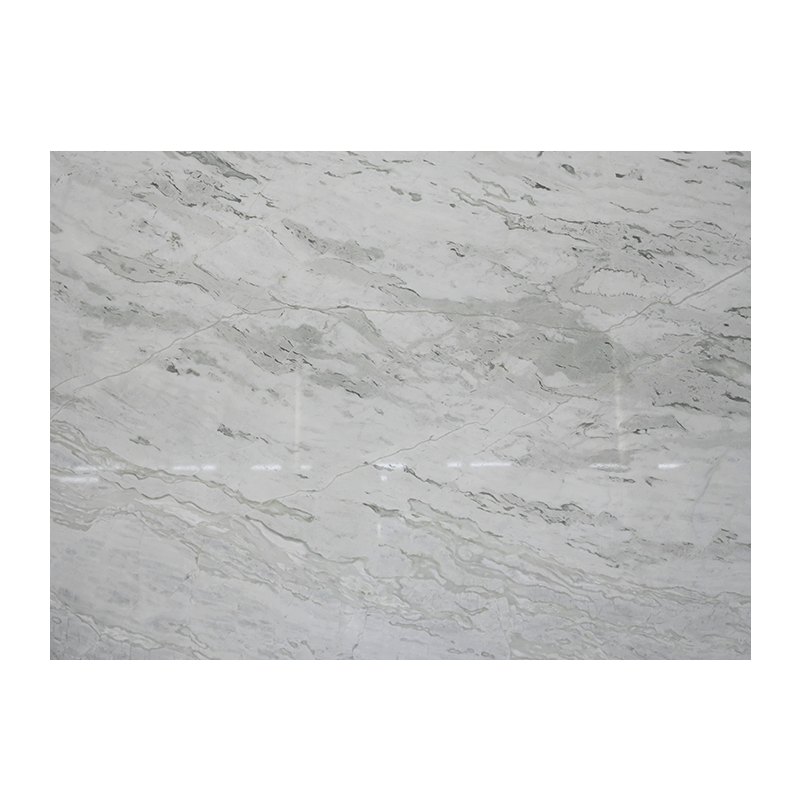
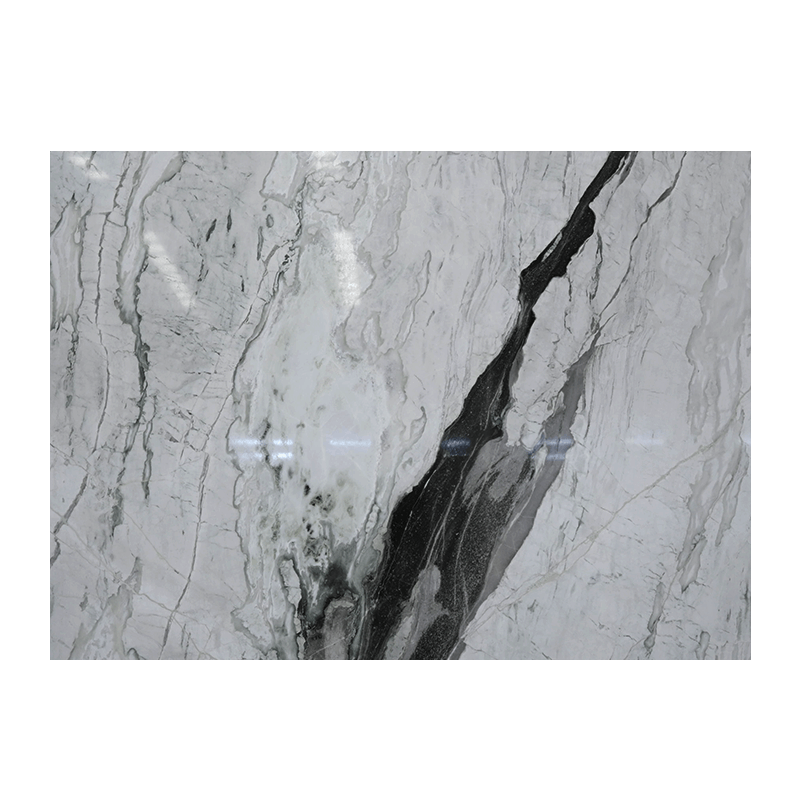
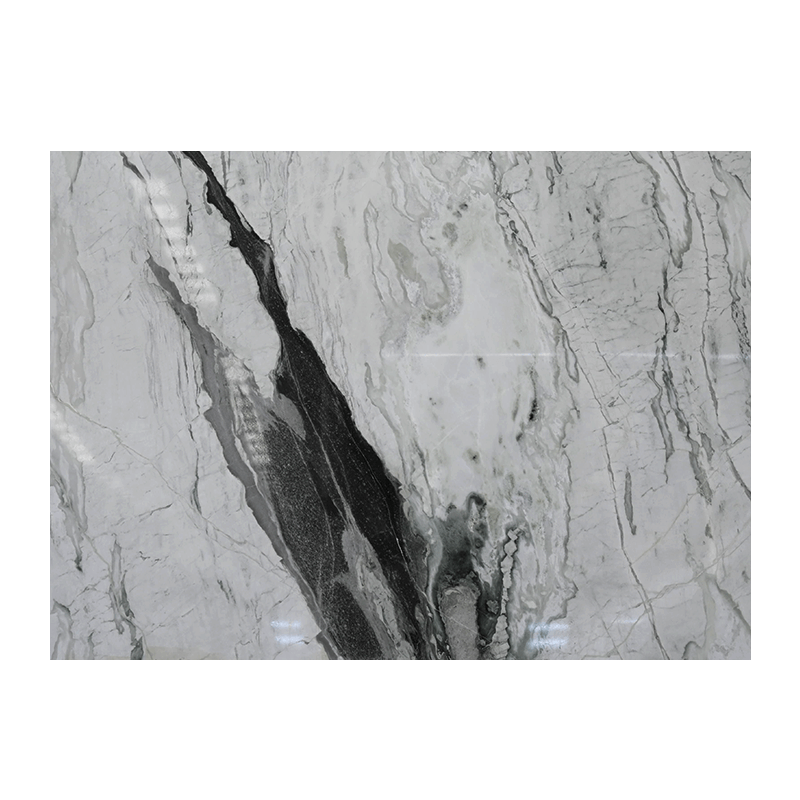
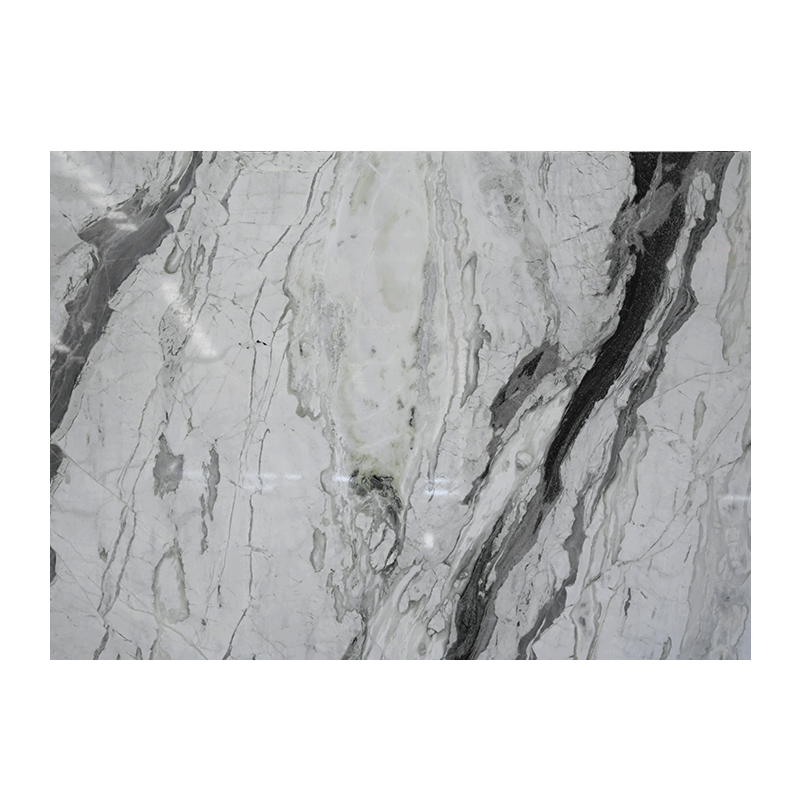
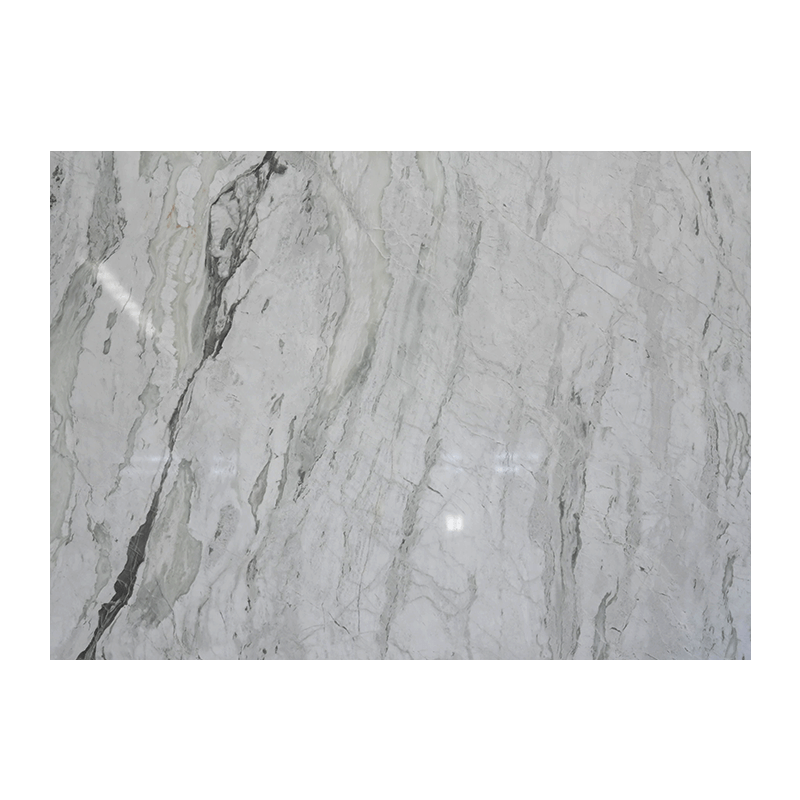
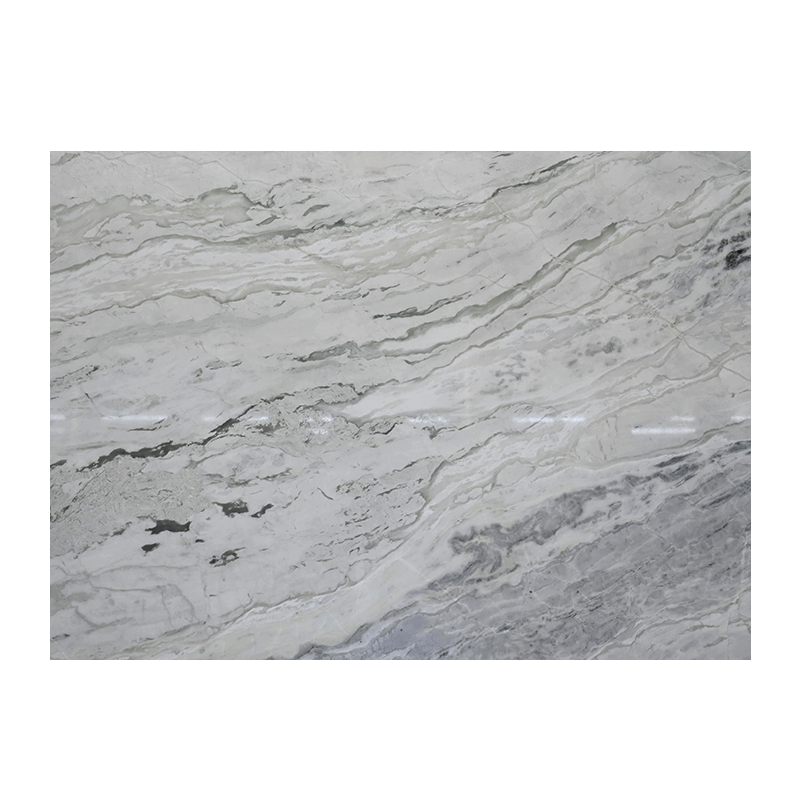
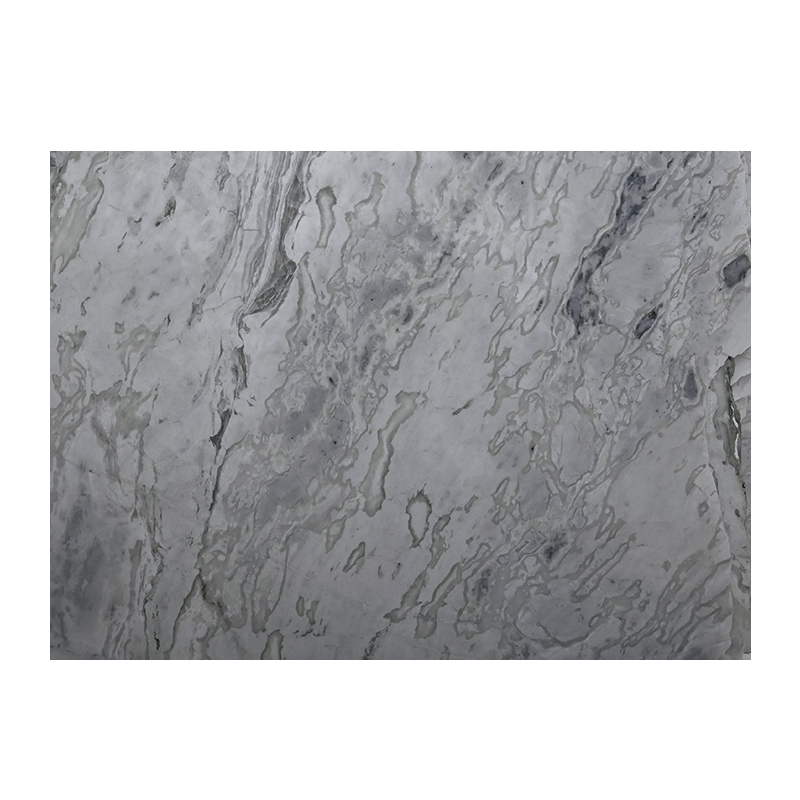
When comparing polished marble tile and polished limestone tile for wet room applications, the key difference lies in their porosity. Polished marble tile typically has a water absorption rate of 0.1% to 0.5%, while polished limestone tile ranges from 3% to 12%, depending on its density and origin. This means polished limestone is significantly more porous and absorbs water far more readily than polished marble tile. For wet rooms such as showers, spa areas, or bathrooms with continuous water exposure, polished marble tile is the safer and more practical choice from a water resistance standpoint.
Water absorption rate is a critical performance metric for any tile used in wet environments. It measures how much water a tile material can absorb by weight under standardized conditions. Natural stone tiles are classified by international standards such as ISO 10545-3, which divides tiles into groups based on their absorption levels.
For reference, tiles with an absorption rate below 0.5% are classified as vitreous or impervious, while those above 3% are considered semi-porous or porous. Understanding where each stone falls on this scale is essential when selecting materials for wet rooms.
| Tile Type | Water Absorption Rate | Porosity Classification | Wet Room Suitability |
|---|---|---|---|
| Polished Marble Tile | 0.1% – 0.5% | Vitreous / Low Porosity | High |
| Polished Limestone Tile | 3% – 12% | Semi-Porous to Porous | Moderate (requires sealing) |
| Polished Granite Tile | 0.1% – 0.4% | Impervious | Very High |
| Polished Porcelain Tile | < 0.05% | Impervious | Very High |
Marble is a metamorphic rock formed under intense heat and pressure, which dramatically reduces its internal pore structure. This geological process results in a denser crystal matrix compared to limestone, which is a sedimentary rock with a naturally more open, porous structure.
The polishing process applied to marble further closes surface micro-pores, creating a reflective, smooth finish that resists immediate water penetration. This is why polished marble tile is widely used in luxury shower enclosures, wet room walls, and spa floors where prolonged moisture exposure is unavoidable.
Popular options such as white tile marble — including Carrara, Thassos, and Calacatta varieties — are particularly valued in wet rooms because their low porosity minimizes the risk of water-related damage, while their bright, clean aesthetic suits bathroom design naturally.
While polished limestone tile offers an attractive, warm aesthetic, its high porosity creates serious challenges in wet rooms. Here are the primary risks associated with its use in such environments:
That said, polished limestone tile can be used in wet rooms if it is sealed with a high-penetration impregnating sealer before and after installation, and resealed every 12 to 18 months depending on usage intensity.
Both polished marble tile and polished limestone tile benefit from sealing in wet room applications, but the frequency and urgency differ significantly.
Due to its low natural porosity, polished marble tile requires sealing primarily as a precaution against staining from soap, shampoo, and mineral deposits. A quality impregnating sealer applied once every 2 to 3 years is generally sufficient for most residential wet room installations. The sealer does not significantly alter the tile's water resistance since the stone itself is already relatively impermeable.
Polished limestone tile requires a more rigorous sealing program. Because of its high absorption rate, the tile must be sealed before grouting to prevent grout haze absorption, immediately after grouting, and then resealed every 12 to 18 months. In commercial wet rooms or high-use spa facilities, resealing may be required as frequently as every 6 months. Even with diligent sealing, polished limestone tile remains more vulnerable to moisture-related issues than polished marble tile over the long term.
Beyond performance, aesthetics play an equally important role when selecting tiles for wet rooms. Both polished marble tile and polished limestone tile offer natural beauty, but they cater to different design directions.
Polished marble tile is available in a wide spectrum of tones and vein patterns. White tile marble varieties, such as Carrara and Statuario, deliver a clean, luminous look that enhances the sense of space in smaller wet rooms. On the opposite end of the spectrum, black marble tile — such as Nero Marquina or Absolute Black — brings a dramatic, high-contrast aesthetic often seen in luxury hotel bathrooms and contemporary spa designs. The high reflectivity of the polished surface amplifies both light and depth, making it a powerful design tool.
Polished limestone tile, by contrast, tends to offer warmer, earthier tones — creamy beiges, soft golds, and muted grays — which create a more natural, organic atmosphere. However, the visual consistency of limestone can vary significantly between batches, which may be a consideration for large-format wet room projects requiring uniformity.
Based on the water absorption data and performance characteristics outlined above, here are practical guidelines for choosing between polished marble tile and polished limestone tile in wet room settings:
When it comes to wet room applications, polished marble tile is the clear winner over polished limestone tile in terms of water absorption performance. With an absorption rate up to 24 times lower than some limestone varieties, polished marble tile requires less maintenance, poses fewer long-term moisture risks, and provides a more durable surface in environments where water exposure is constant.
Polished limestone tile is not without merit — its natural warmth and texture make it an appealing choice in lower-moisture bathroom zones — but it demands a significantly higher level of care to perform reliably in fully wet environments. For homeowners and designers prioritizing both longevity and reduced maintenance, polished marble tile, whether in the form of elegant white tile marble or striking black marble tile, remains the superior investment for wet room installations.


Factory Address: NO.8,WEST BINHAI ROAD,LAOBAGANG(JIAOXIE TOWN),BINHAI NEW AREA,HAIAN COUNTY,NANTONG,JIANGSU,CHINA


+86-15221350573

+86-571-86632298
 English
 Español
 русский
 عربى
عربى