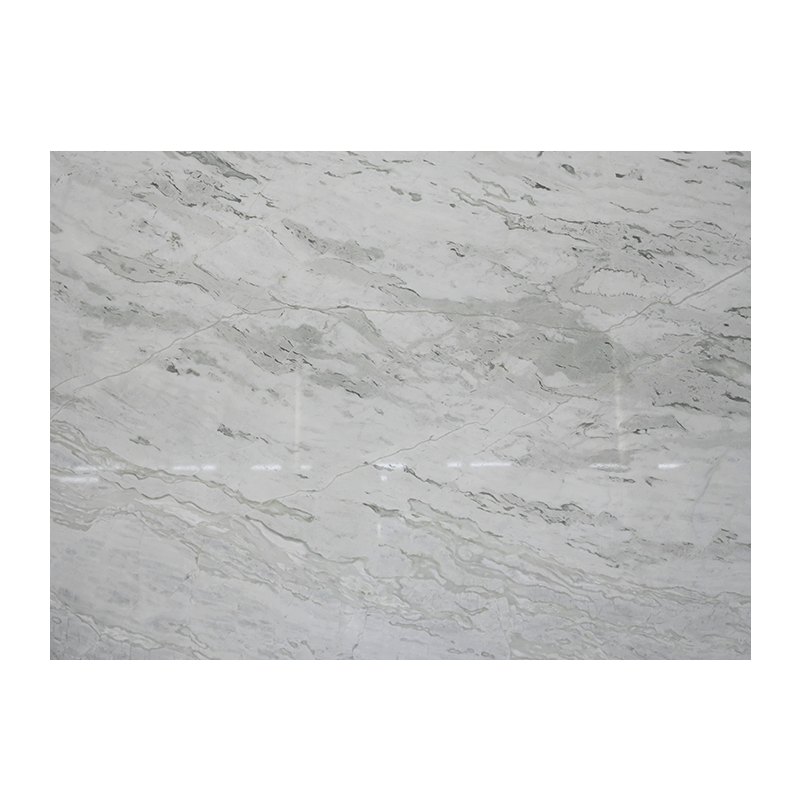
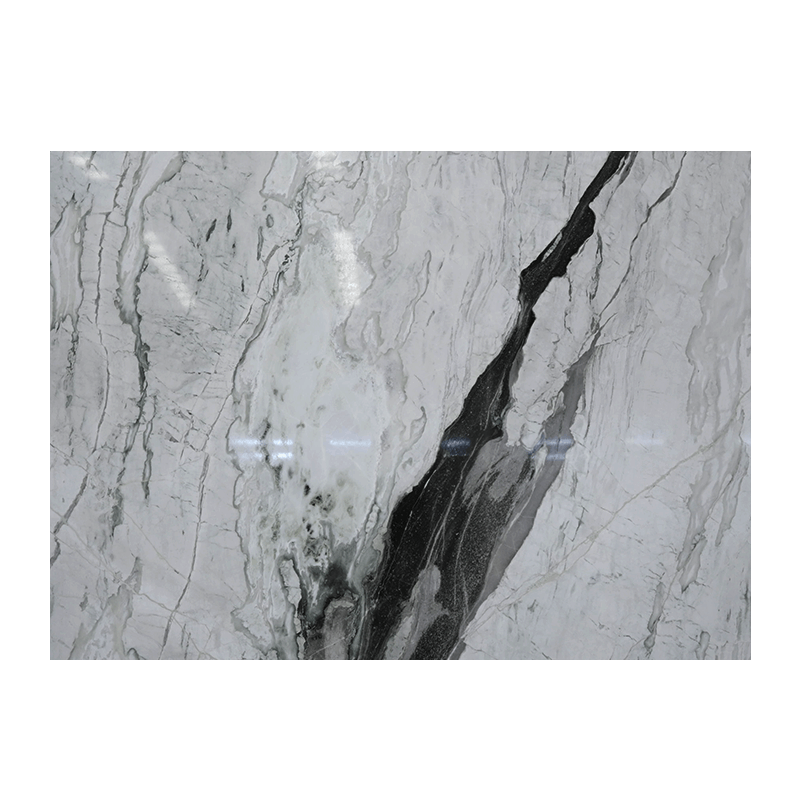
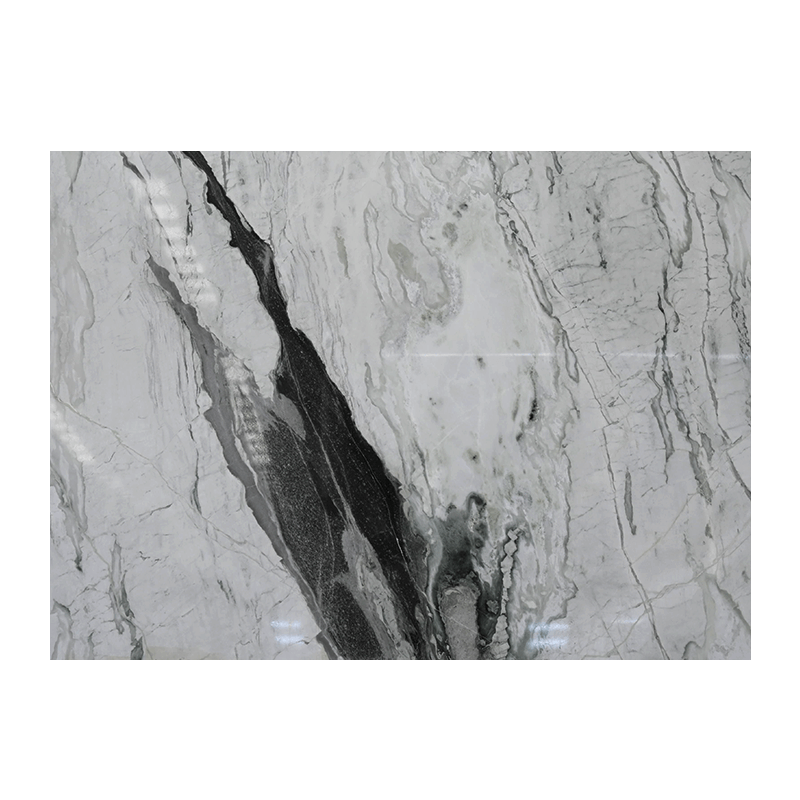
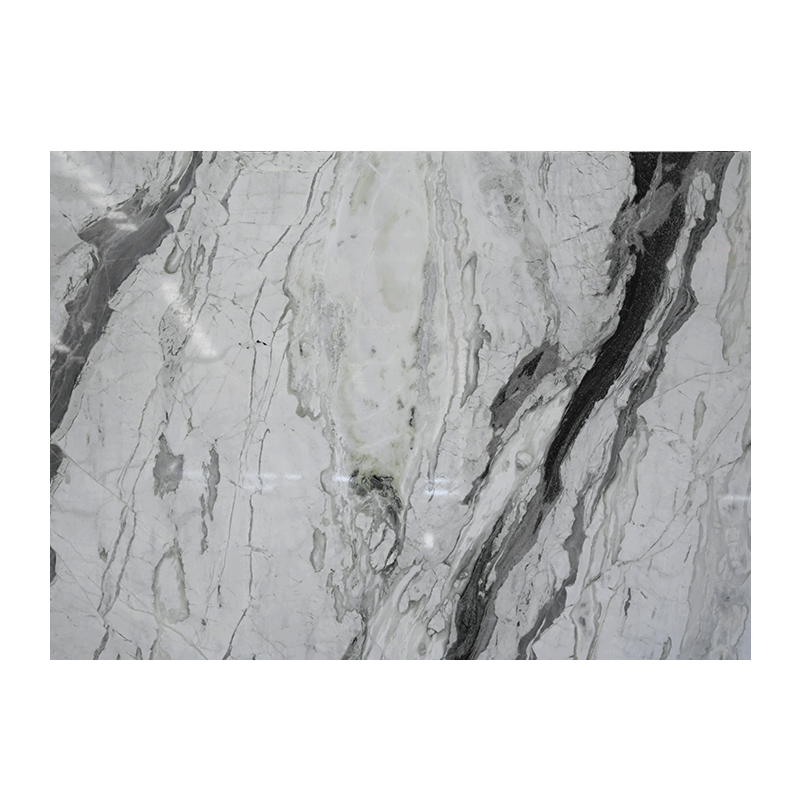
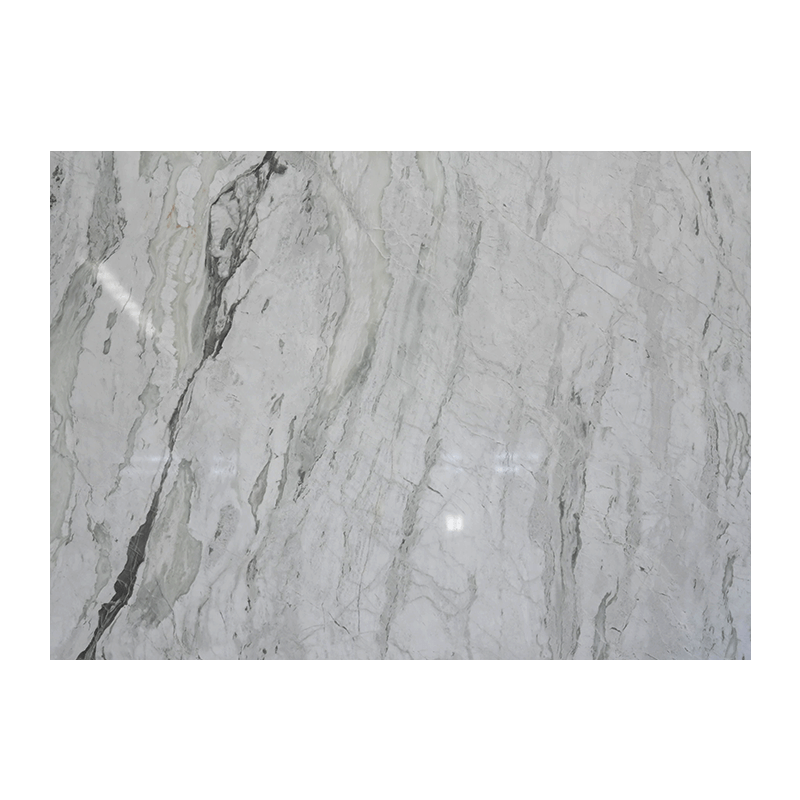
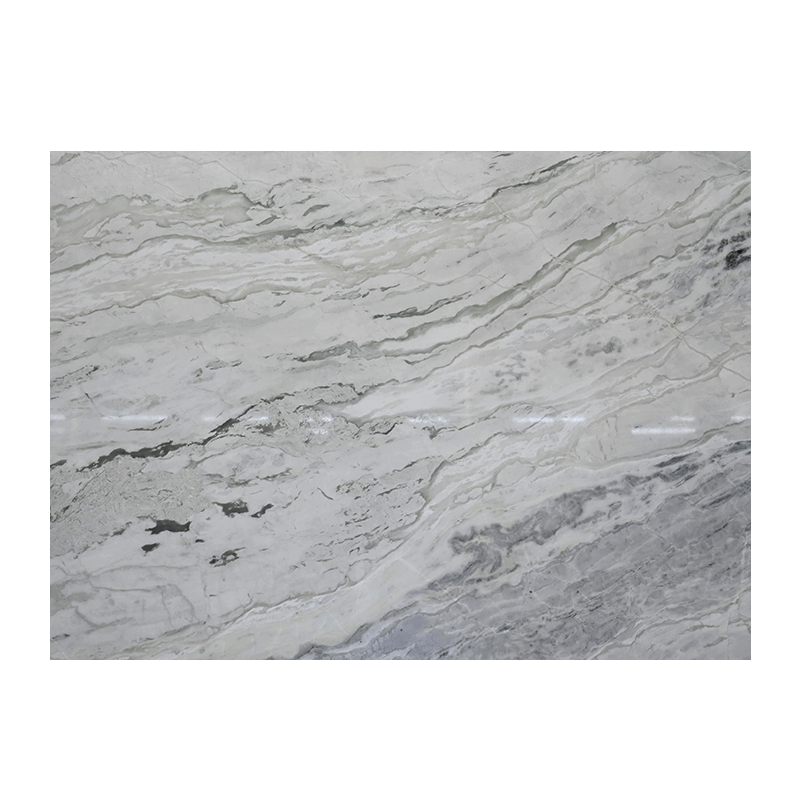
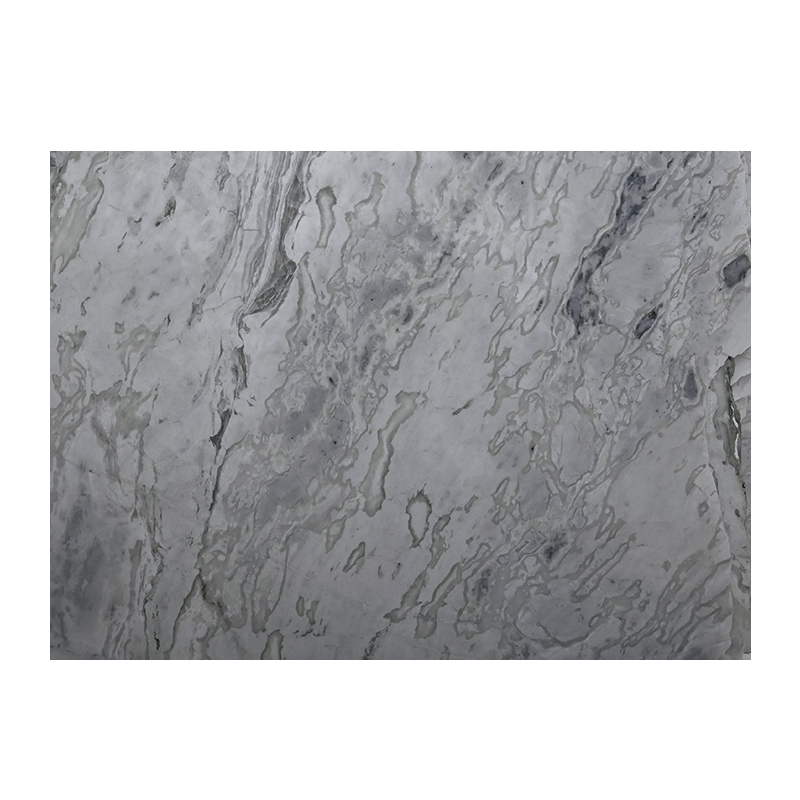
When choosing between Polished Marble Blocks and brushed marble blocks, slip resistance is often the deciding factor — especially for flooring, outdoor paving, and high-traffic surfaces. The direct answer is this: brushed marble blocks offer significantly better slip resistance than polished marble blocks, with coefficient of friction (COF) values typically ranging from 0.6 to 0.8 for brushed surfaces, compared to just 0.3 to 0.5 for polished ones. A COF of 0.6 or above is generally considered safe for pedestrian surfaces by standards such as ANSI A137.1. This fundamental difference shapes nearly every application decision between these two finishes.
The surface texture of a marble block is entirely a product of its finishing process, and that texture is what governs how much grip it provides underfoot.
Polished Marble Blocks are processed using progressively finer abrasives — often ending with a resin or crystallization treatment — to produce a mirror-like surface. This process closes the stone's pores and flattens micro-peaks on the surface, dramatically reducing friction. When wet, the surface behaves almost like glass, making it particularly hazardous in bathrooms, pool surrounds, or rainy exterior areas.
Brushed marble blocks are finished with rotary steel or diamond brushes that deliberately abrade the surface, opening the pores and leaving a softly textured, matte appearance. This controlled roughness increases friction against shoe soles and bare feet, performing reliably in both dry and wet conditions.
The table below summarizes key slip resistance metrics and characteristics across both finishes, based on standard industry testing and published stone performance data.
| Property | Polished Marble Blocks | Brushed Marble Blocks |
|---|---|---|
| Dry COF (approx.) | 0.3 – 0.5 | 0.6 – 0.8 |
| Wet COF (approx.) | 0.2 – 0.35 | 0.5 – 0.7 |
| Surface Texture | Mirror-smooth | Softly matte, lightly textured |
| ANSI A137.1 Compliant (wet) | Often No | Generally Yes |
| Best Application | Walls, countertops, dry interiors | Floors, outdoor paving, wet areas |
| Aesthetic Appeal | High gloss, luxurious | Natural, understated |
| Maintenance Demand | High (shows scratches, watermarks) | Moderate (hides minor wear better) |
Despite their lower slip resistance, Polished Marble Blocks are not inherently dangerous — they are simply better suited to specific contexts. Their ideal applications include:
In all these settings, the reflective quality of Polished Marble Blocks enhances perceived brightness and adds a premium visual tone that brushed finishes simply cannot replicate.
Brushed marble blocks take the lead whenever pedestrian safety cannot be compromised. Key use cases include:
For example, a five-star resort in coastal environments would typically specify brushed marble blocks for all outdoor paving and pool surrounds, reserving Polished Marble Blocks strictly for interior lobby walls and decorative columns.
Yes — though with trade-offs. Several aftermarket treatments can improve the slip resistance of Polished Marble Blocks without fully converting them to a brushed finish:
None of these options fully match the inherent grip of a brushed surface, and all add cost or maintenance complexity. For new projects, specifying brushed marble blocks from the outset remains the most reliable and cost-effective approach when slip resistance is a priority.
Slip resistance is not the only long-term consideration. The two finishes also age differently under use:
From a lifecycle cost perspective, brushed marble blocks in floor applications often prove more economical over a 10-year period despite sometimes carrying a similar or slightly higher upfront price per square meter.
The choice between Polished Marble Blocks and brushed marble blocks ultimately comes down to three questions:
Many premium projects use both finishes strategically: Polished Marble Blocks on walls and countertops for visual impact, brushed marble blocks on floors and outdoor areas for safety. This hybrid approach delivers the aesthetic richness of polished marble where it can be appreciated without risk, while ensuring compliance and safety in pedestrian zones.
Always request COF test certificates from your supplier before specifying any marble block finish for a flooring project, and verify compliance with your local building code's minimum slip resistance requirements.


Factory Address: NO.8,WEST BINHAI ROAD,LAOBAGANG(JIAOXIE TOWN),BINHAI NEW AREA,HAIAN COUNTY,NANTONG,JIANGSU,CHINA


+86-15221350573

+86-571-86632298
 English
 Español
 русский
 عربى
عربى