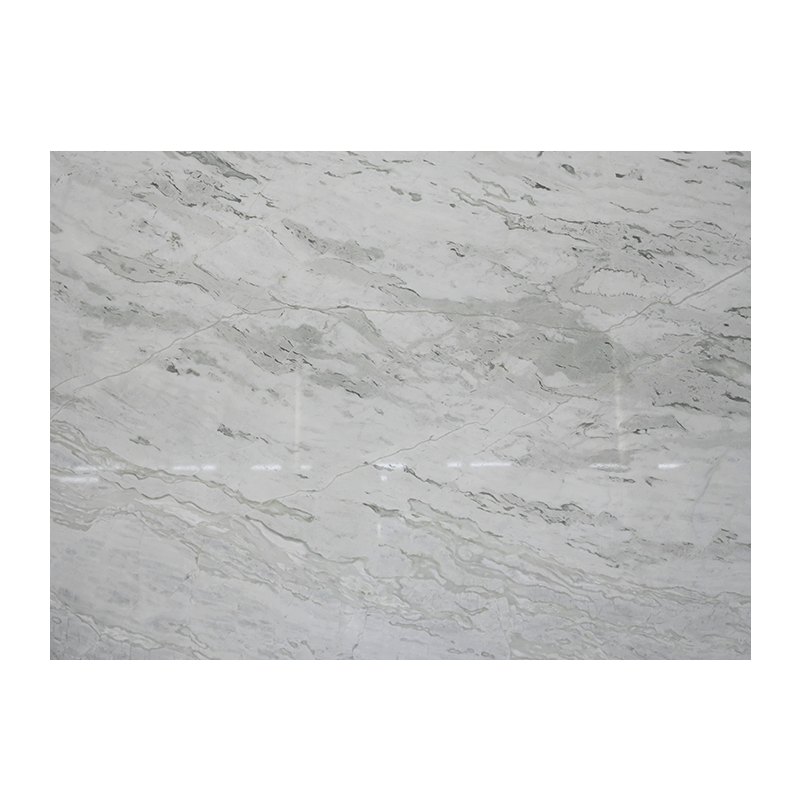
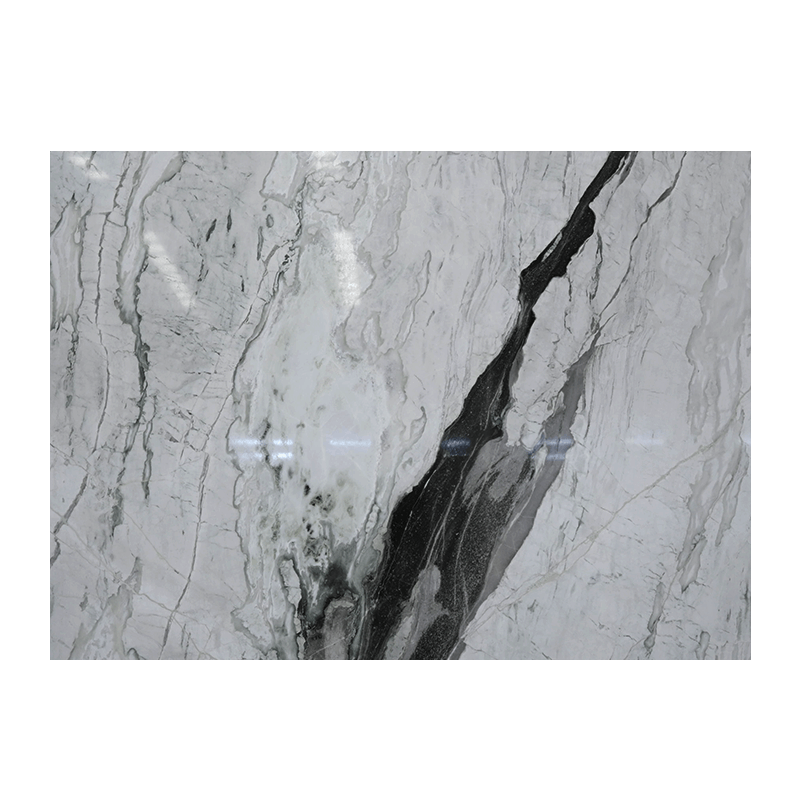
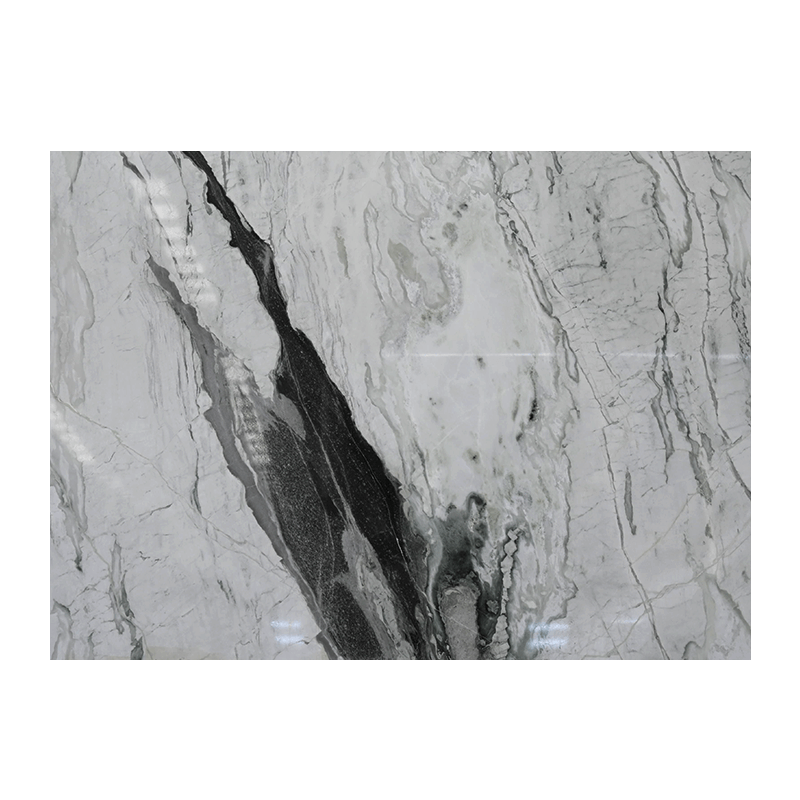
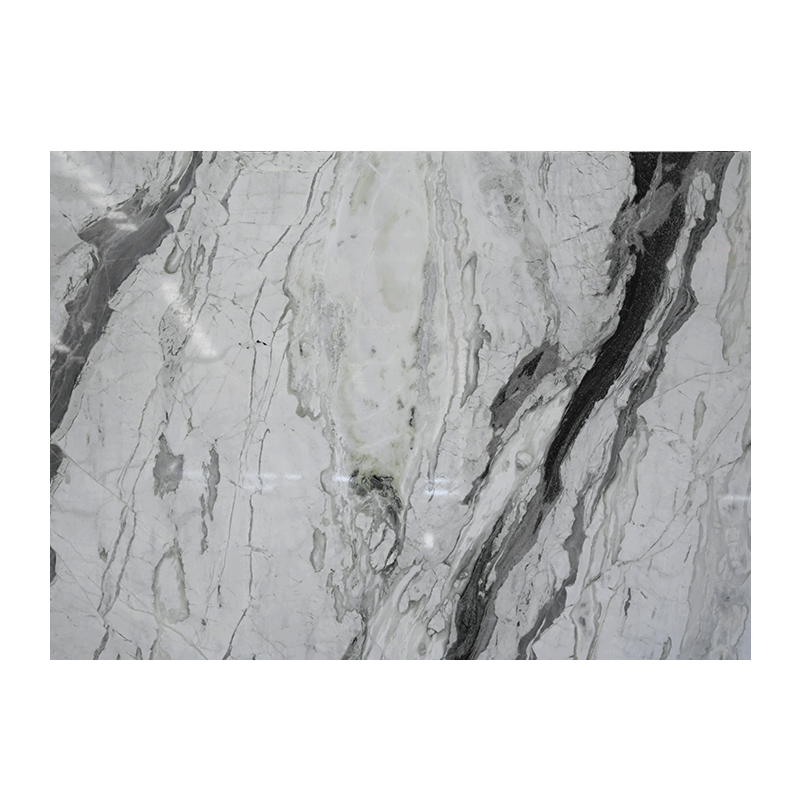
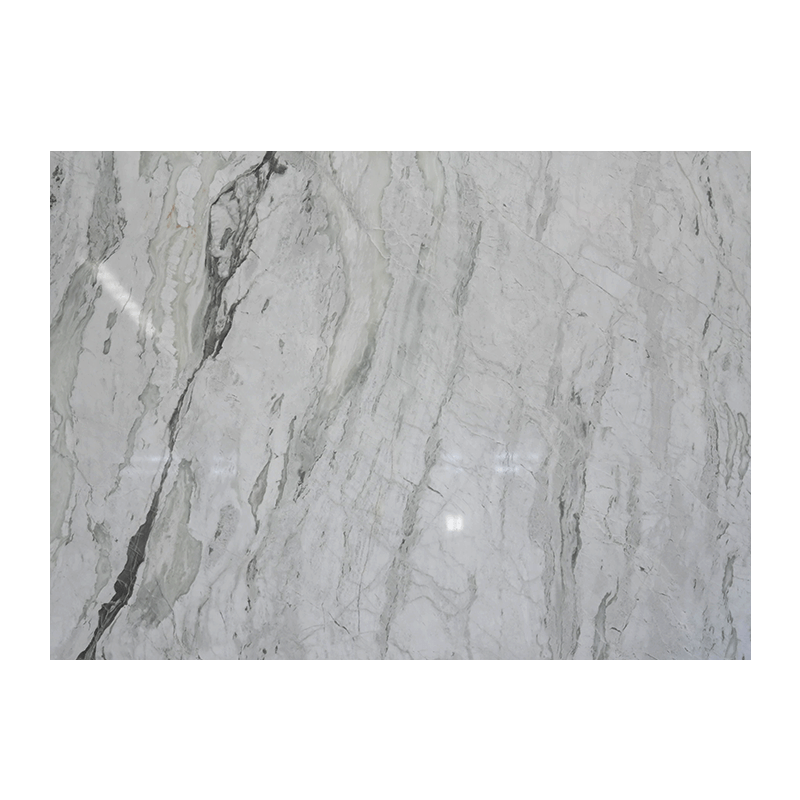
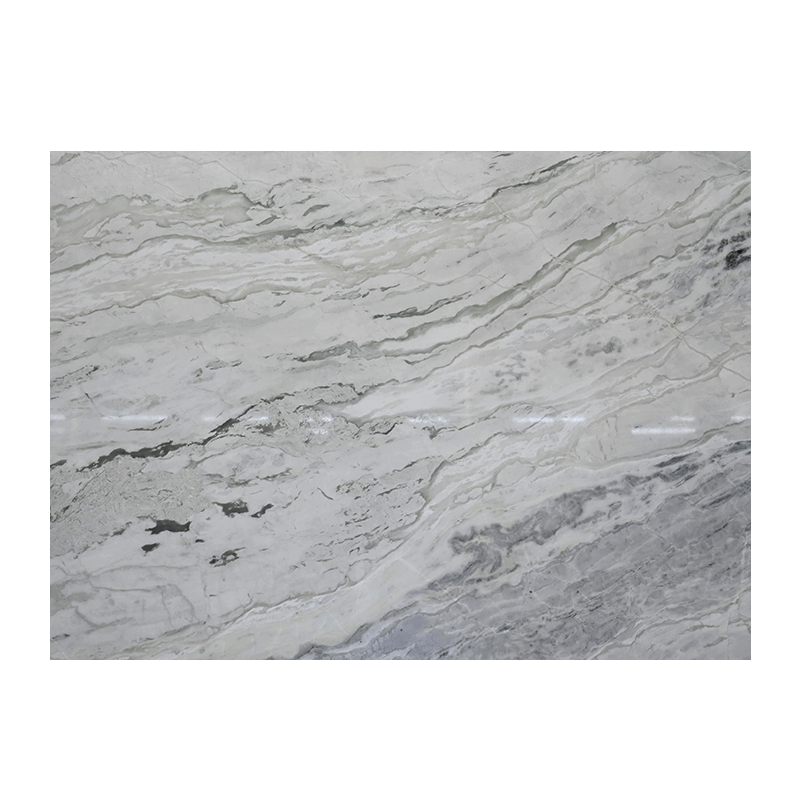
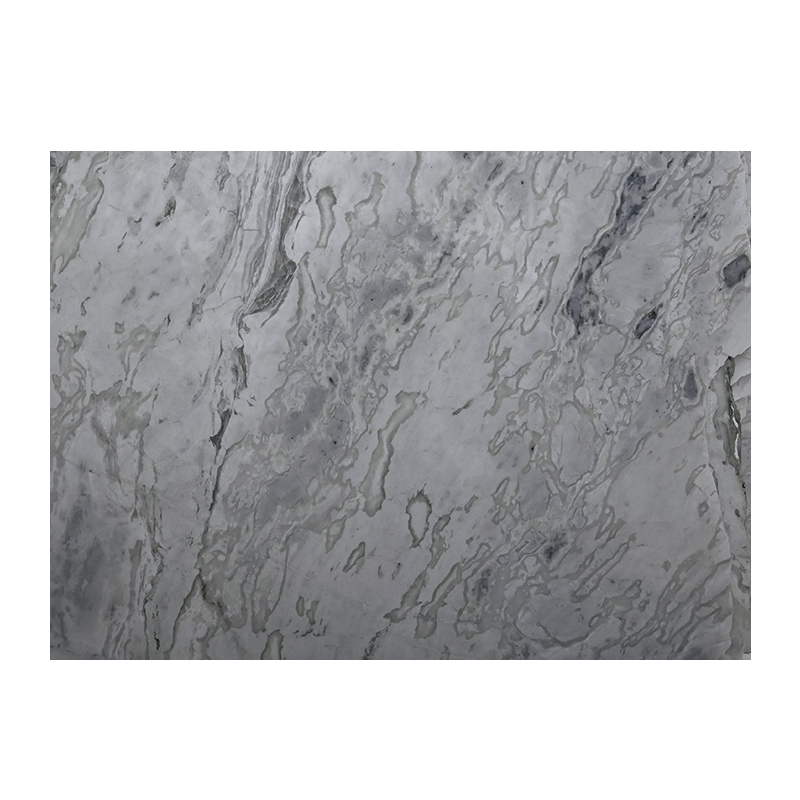
The sealing requirements of Marble Mosaic Tiles are significantly more demanding than granite mosaic tiles because marble is a more porous, calcium-based stone that absorbs moisture, oils, and stains more quickly. In contrast, granite mosaic tiles are denser, harder, and naturally less absorbent, meaning they require less frequent sealing and offer higher resistance to staining without intensive maintenance.
In practical terms, Marble Mosaic Tiles typically require sealing every 6–12 months, especially in wet or high-traffic environments such as bathrooms or kitchen backsplashes. Granite mosaic tiles, however, may only require sealing every 2–5 years depending on usage intensity. This difference directly affects long-term maintenance costs and installation decisions, particularly for applications like marble mosaic floor tile systems in residential or commercial spaces.
The fundamental reason behind differing sealing requirements lies in the geological structure of each material. Marble Mosaic Tiles are formed from metamorphosed limestone, primarily composed of calcite. This structure creates microscopic pores that easily absorb liquids. Granite, on the other hand, is an igneous rock composed of quartz, feldspar, and mica, forming a much denser crystalline structure.
As a result, water absorption rates vary significantly:
These differences explain why Marble Mosaic Tiles require more frequent sealing cycles even in low-use decorative applications.
Maintenance schedules differ significantly between marble and granite mosaics. For Marble Mosaic Tiles, sealing is not optional; it is essential for preserving surface integrity and preventing irreversible staining.
| Material | Recommended Sealing Interval | Stain Resistance | Maintenance Level |
|---|---|---|---|
| Marble Mosaic Tiles | 6–12 months | Moderate | High |
| Granite Mosaic Tiles | 2–5 years | High | Low |
This comparison shows why marble mosaic floor tile installations require more frequent inspection, especially in moisture-prone environments like bathrooms, spas, and kitchens.
The type of sealer used for Marble Mosaic Tiles is typically a penetrating (impregnating) sealer that enters the stone pores without altering surface appearance. These sealers are designed to reduce water and oil absorption while maintaining natural aesthetics.
Granite mosaic tiles also use penetrating sealers but require fewer applications due to lower absorption. In many cases, granite surfaces may retain protection for several years without reapplication.
In residential and commercial design, Marble Mosaic Tiles are often selected for luxury aesthetics rather than extreme durability. For example, in a marble mosaic floor tile bathroom installation, sealing must be strictly maintained to prevent soap scum penetration and water staining.
Granite mosaic tiles, however, are commonly used in high-traffic commercial flooring, hotel lobbies, and exterior surfaces because they can withstand heavy use with minimal maintenance.
While Marble Mosaic Tiles often have a lower initial cost compared to some premium granite options, their long-term maintenance expenses are higher due to frequent sealing, cleaning requirements, and potential restoration needs.
Granite mosaic tiles may require a higher upfront investment but deliver lower lifetime maintenance costs. Over a 10-year period, maintenance costs for marble can be up to 30–50% higher depending on usage intensity and environmental exposure.
Therefore, selecting between the two materials should not be based solely on appearance but also on long-term sealing requirements, especially in applications involving marble mosaic floor tile systems exposed to daily wear.


Factory Address: NO.8,WEST BINHAI ROAD,LAOBAGANG(JIAOXIE TOWN),BINHAI NEW AREA,HAIAN COUNTY,NANTONG,JIANGSU,CHINA


+86-15221350573

+86-571-86632298
 English
 Español
 русский
 عربى
عربى