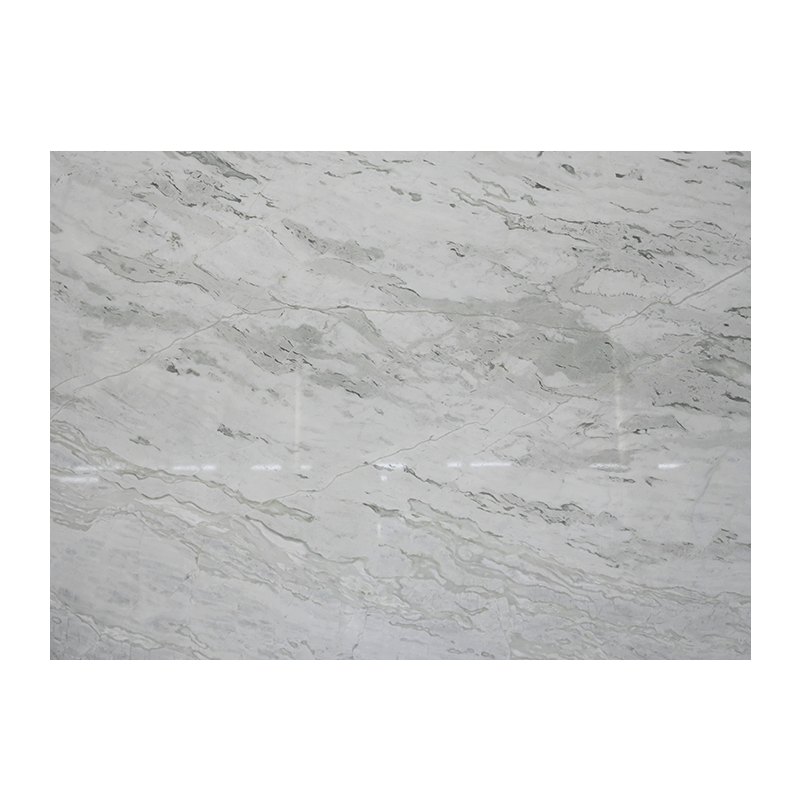
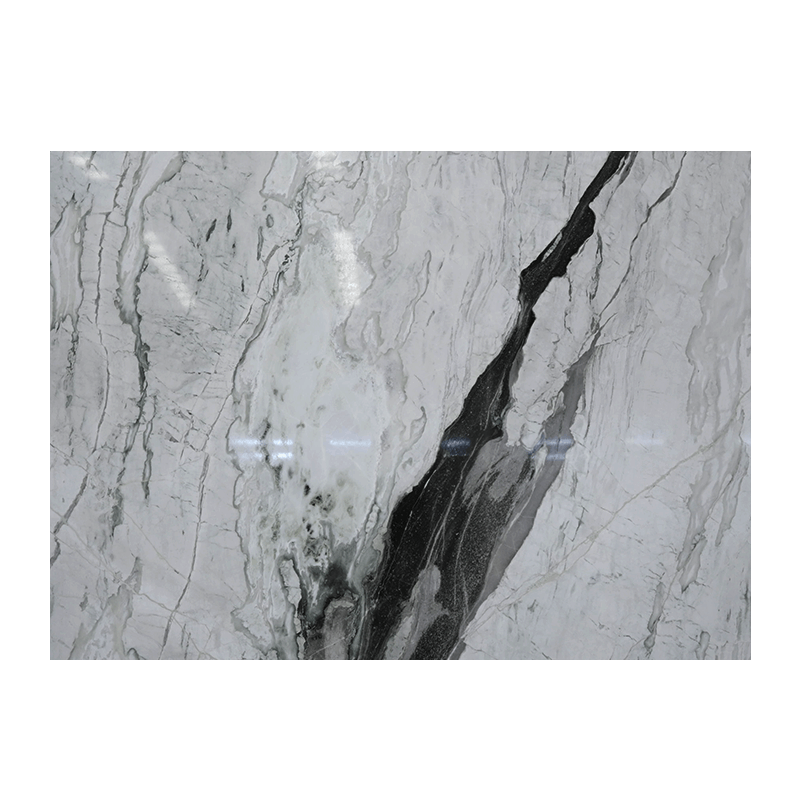
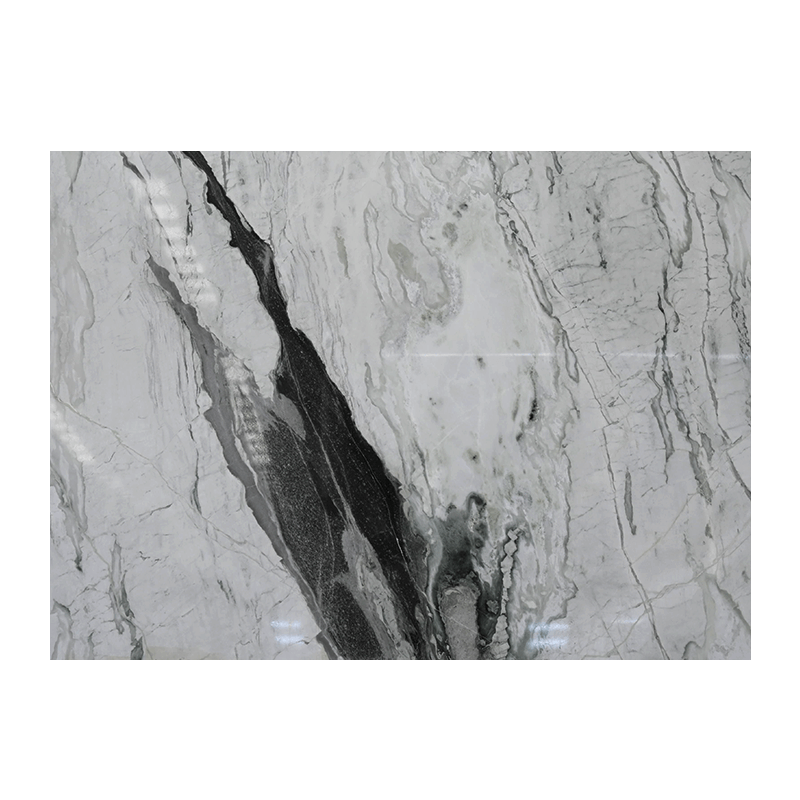
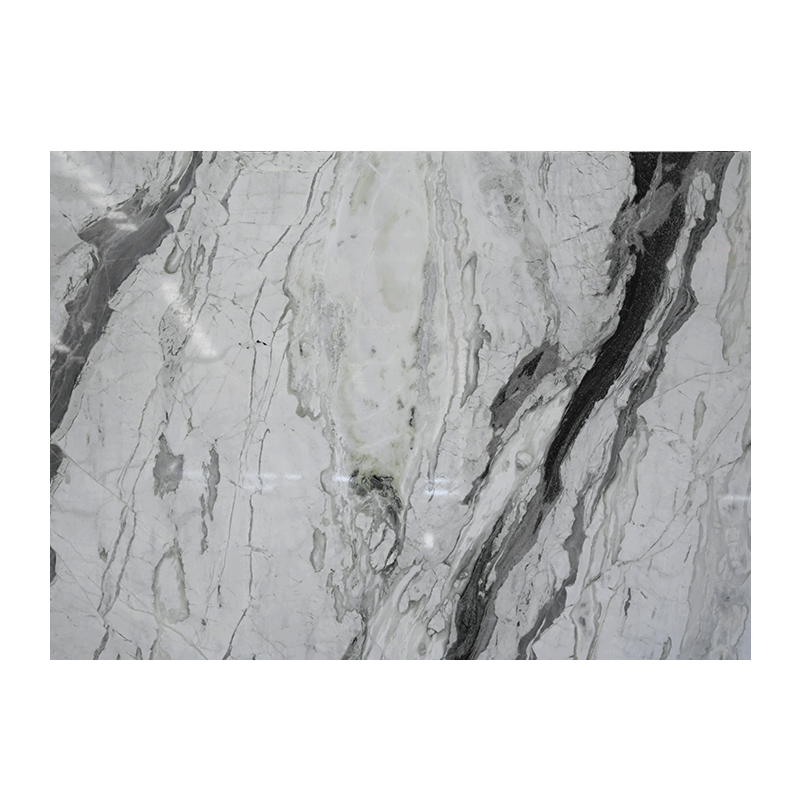
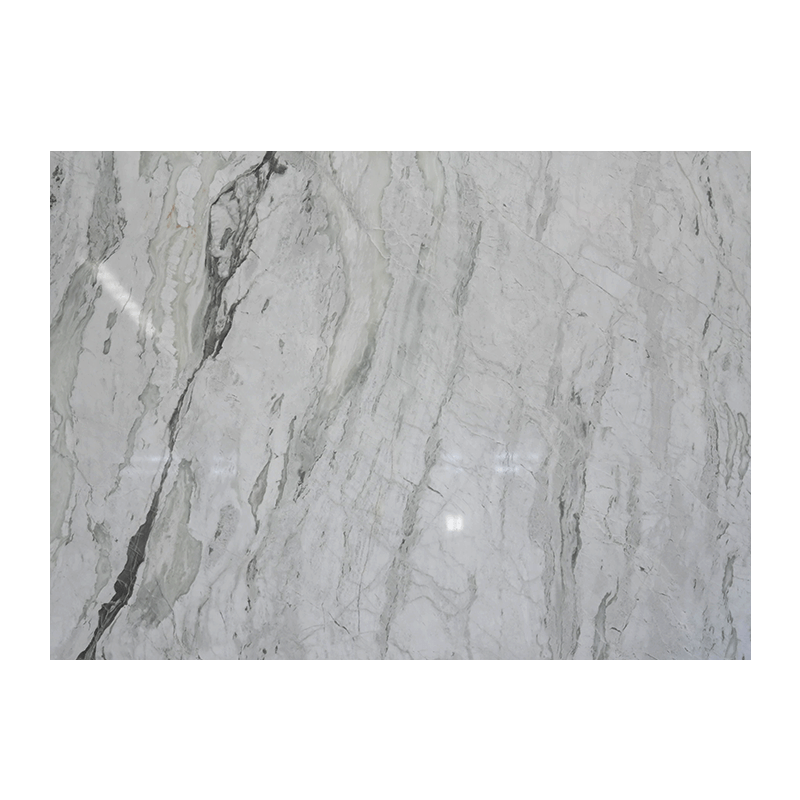
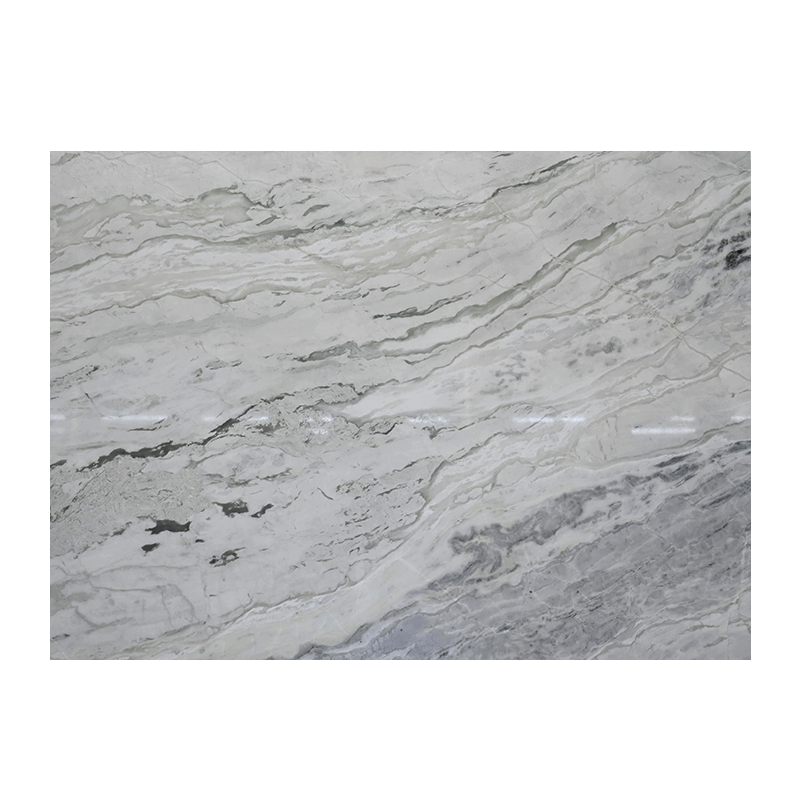
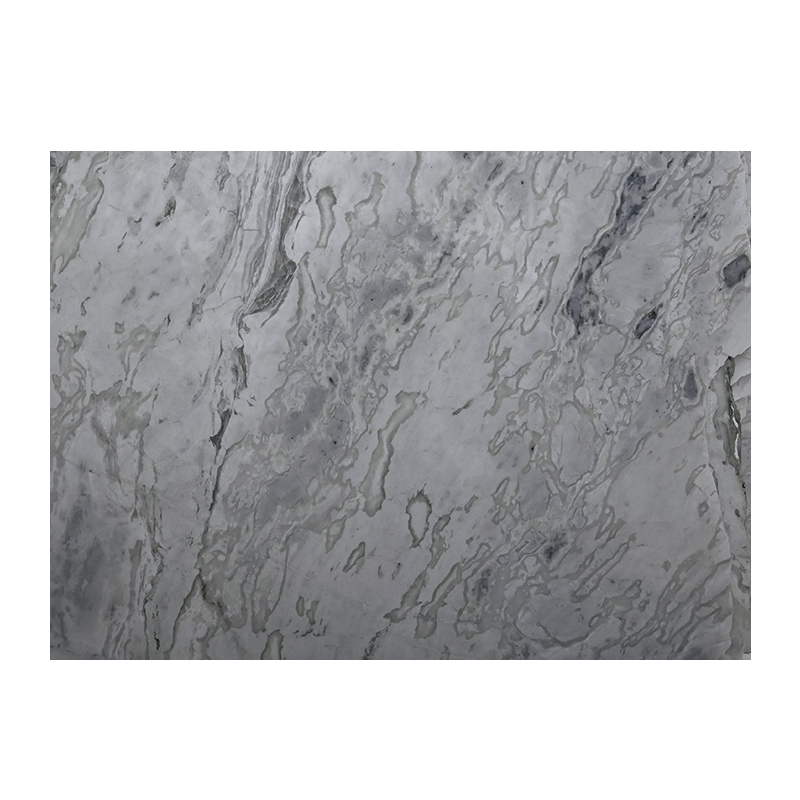
Marble block is highly susceptible to acid etching — far more so than either quartzite block or granite block. This is not a minor difference. Marble is a calcium carbonate-based stone, which reacts chemically with even mildly acidic substances. Common household cleaners, citrus-based products, vinegar, and bathroom descalers can dull, pit, or permanently mark a marble block surface within seconds of contact. Quartzite block and granite block, by contrast, are composed primarily of silica minerals, making them significantly more resistant to acid-based damage. If acid resistance is a priority for your project, this distinction is critical before you commit to a material.
The core reason marble block etches so easily lies in its mineralogy. Marble is metamorphosed limestone, composed predominantly of calcite (CaCO₃) or dolomite. When an acidic substance contacts this surface, a chemical reaction occurs immediately:
CaCO₃ + 2HCl → CaCl₂ + H₂O + CO₂
This reaction dissolves the surface of the marble block, leaving behind dull, lighter-colored marks that differ in texture and sheen from the surrounding polished area. These marks are not stains — they are physical surface degradation. No amount of cleaning will remove them; re-polishing or re-honing by a professional stone restorer is the only remedy.
Common household items with pH levels low enough to etch marble block include:
Even a product labeled "natural" or "stone-safe" may contain citric acid or acetic acid — both of which will etch a marble block surface. Always verify the pH of any cleaner before applying it to marble block; only pH-neutral products (pH 6.5–7.5) are genuinely safe.
Granite block is composed primarily of quartz, feldspar, and mica — all silicate minerals that do not react with most acids encountered in everyday use. While highly concentrated acids (such as hydrofluoric acid) can damage granite block, the acids found in common cleaners and food substances will cause no meaningful etching on a sealed granite block surface.
In practical terms, leaving lemon juice on a polished granite block countertop for several minutes will not produce the dull etch marks that would immediately appear on marble block. Granite block can tolerate accidental exposure to vinegar-based cleaners, wine spills, and mild descaling agents without permanent surface damage, though prolonged exposure to very strong acids should still be avoided.
Granite block does require sealing to prevent staining from oils and pigmented liquids, but this is a separate issue from acid etching. Granite block's acid resistance is approximately 10–20 times greater than marble block in everyday use conditions, making it a far more practical choice for kitchen countertops and commercial food preparation surfaces.
True quartzite block — metamorphic rock composed of over 90% quartz — offers acid resistance comparable to granite block, and in some cases superior. Because quartz (SiO₂) is chemically inert to most acids, a genuine quartzite block surface will not etch under normal household conditions.
However, there is a critical caveat: the stone industry frequently mislabels marble or dolomitic marble as "quartzite" due to visual similarity. If you purchase a slab marketed as quartzite block but it is actually a calcite-rich stone, it will etch just like marble block. The only reliable way to verify true quartzite block is through an acid spot test: apply a few drops of diluted hydrochloric acid (or vinegar) to an inconspicuous area. If bubbling occurs, the stone contains calcite and is not true quartzite.
Confirmed true quartzite block is an excellent choice where acid resistance and natural stone aesthetics are both required, outperforming marble block in durability while offering a similar visual appeal.
| Property | Marble Block | Quartzite Block | Granite Block |
|---|---|---|---|
| Primary Mineral | Calcite / Dolomite | Quartz (SiO₂ 90%+) | Quartz, Feldspar, Mica |
| Acid Etching Risk | Very High | Very Low (if genuine) | Very Low |
| Reacts to Vinegar / Citrus | Yes — immediately | No (true quartzite) | No |
| Safe pH Range for Cleaners | 6.5 – 7.5 only | 4 – 10 (general tolerance) | 4 – 10 (general tolerance) |
| Etch Mark Reversibility | Requires professional re-polish | N/A (does not etch) | N/A (does not etch) |
| Recommended for Kitchen Use | With caution | Yes | Yes |
A common misconception is that sealing a marble block surface will protect it from acid etching. It will not. Sealers penetrate the pores of the stone to resist liquid absorption and staining, but they do not form a chemical barrier on the surface capable of preventing the acid-carbonate reaction. A sealed marble block will still etch when exposed to acidic substances; it will simply be slightly more resistant to oil-based staining alongside.
The only surface treatment that provides meaningful acid protection for marble block is a topical coating or epoxy resin overlay, which creates a physical barrier between the acid and the stone. However, these coatings alter the natural appearance of marble block and require periodic reapplication, which many users find aesthetically and practically undesirable.
For granite block and true quartzite block, sealing primarily addresses stain resistance rather than etching protection, as acid etching is not a significant concern for these materials in normal use.
If you have chosen marble block for its aesthetic qualities and are committed to using it, the following practices will minimize etching damage:
Marble block remains one of the most visually stunning natural stones available. But its vulnerability to acid etching is a permanent material characteristic — not a quality defect and not something that can be engineered away. Understanding this before specification, rather than after installation, is the mark of an informed buyer.


Factory Address: NO.8,WEST BINHAI ROAD,LAOBAGANG(JIAOXIE TOWN),BINHAI NEW AREA,HAIAN COUNTY,NANTONG,JIANGSU,CHINA


+86-15221350573

+86-571-86632298
 English
 Español
 русский
 عربى
عربى