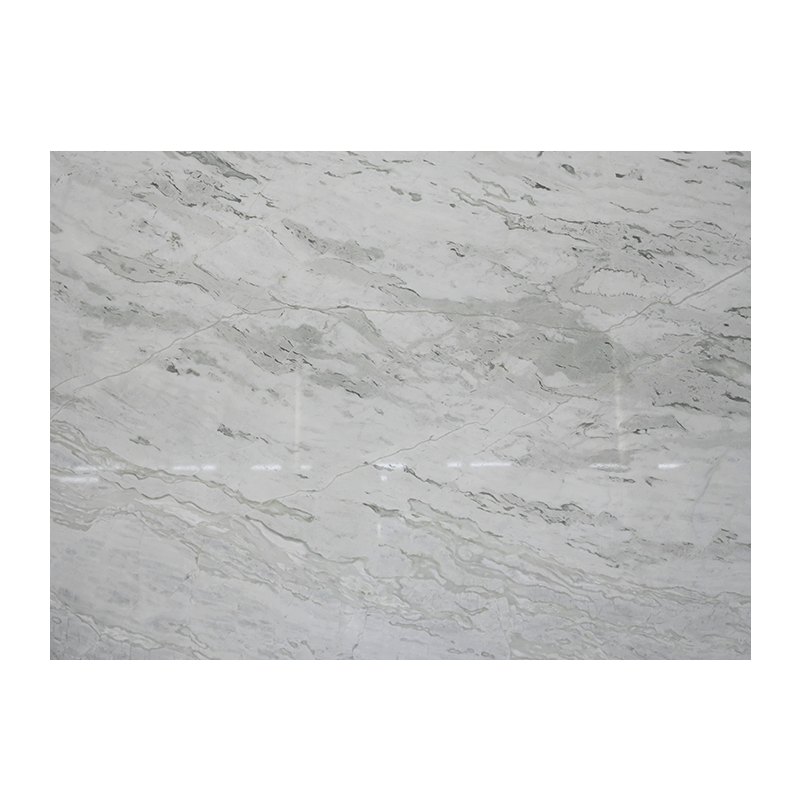
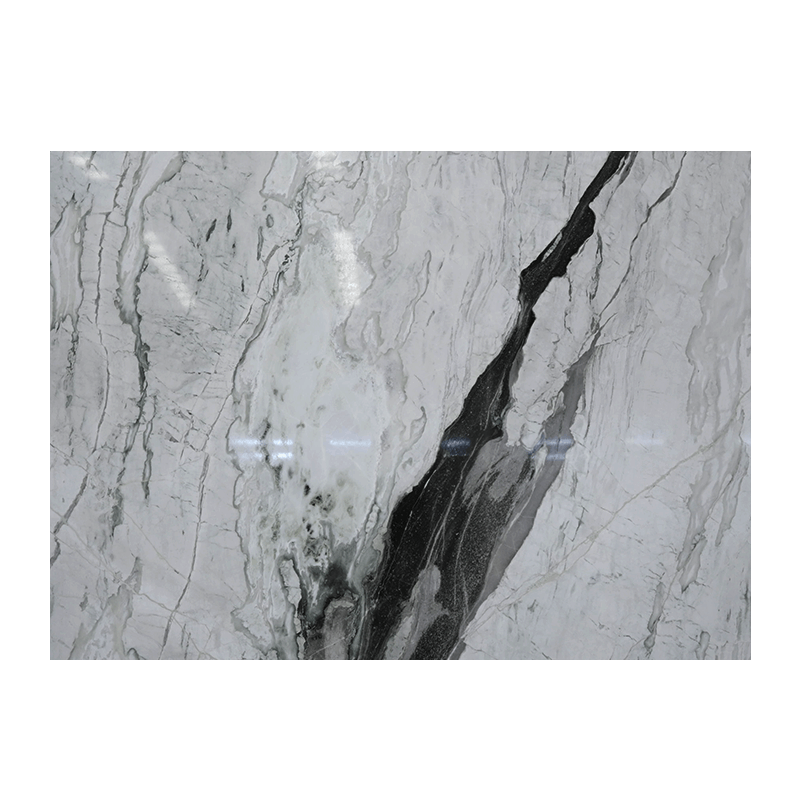
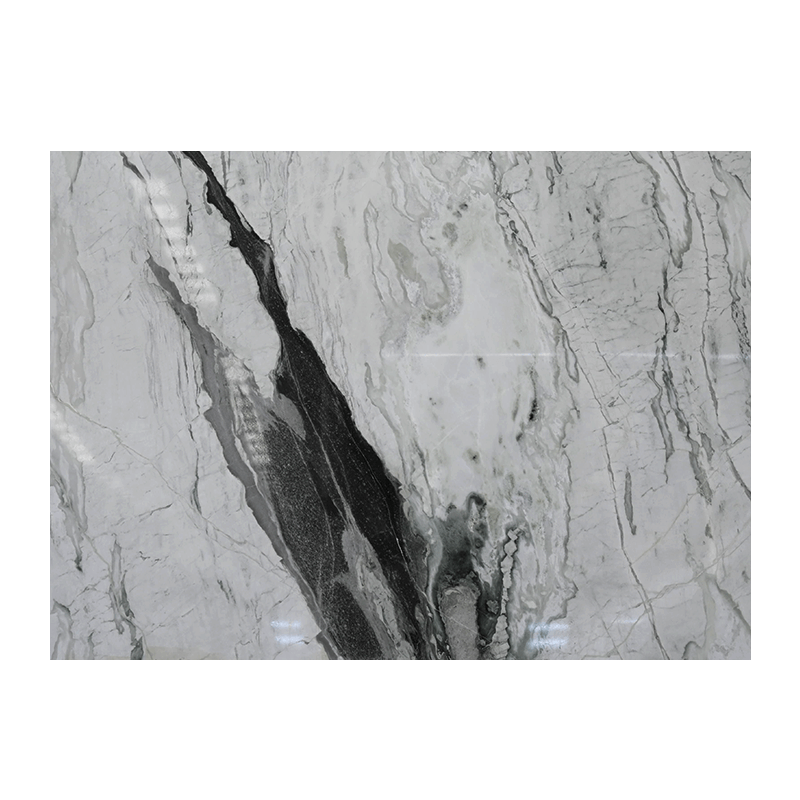
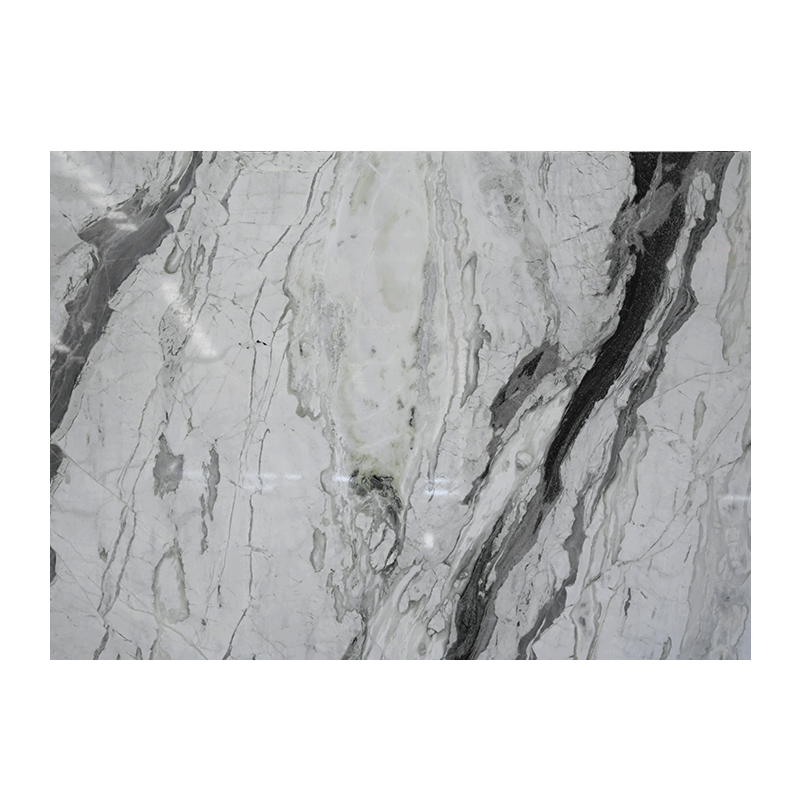
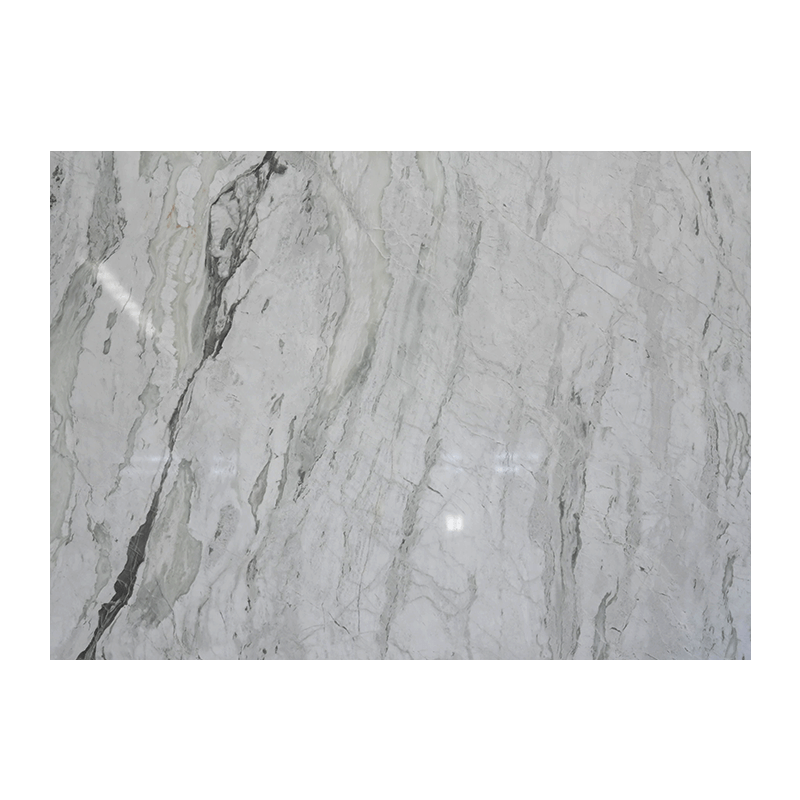
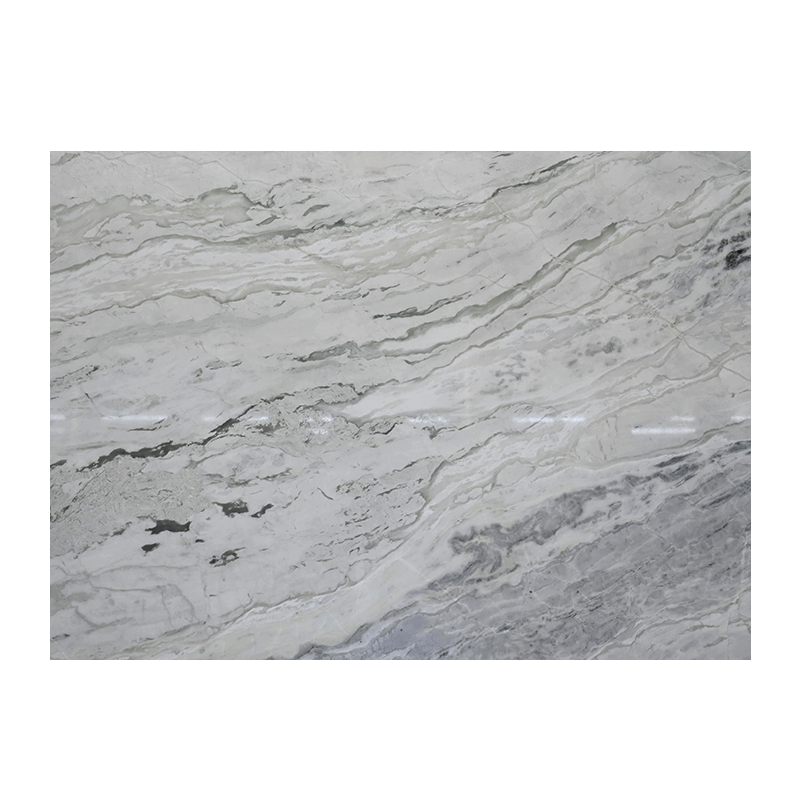
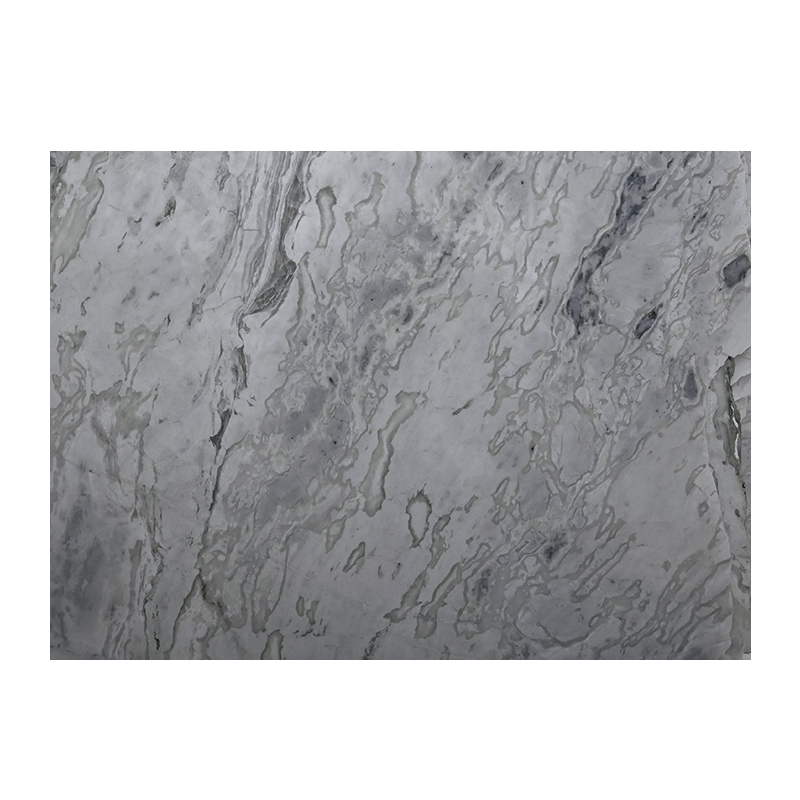
Polished marble tile in a residential bathroom should be resealed every 6 to 12 months, while a commercial hotel lobby demands resealing every 3 to 6 months — sometimes more frequently depending on foot traffic volume. The polished surface of marble, while visually stunning, is highly porous and chemically reactive, making it vulnerable to moisture penetration, staining, and acid etching if left unsealed. Understanding the resealing frequency specific to your setting is not just a maintenance preference — it is a structural and aesthetic necessity.
Marble is a metamorphic stone composed primarily of calcite, a mineral that is naturally porous and sensitive to acidic substances. The polishing process — which uses abrasives to grind the surface to a mirror-like finish — does not close the pores of the stone. Instead, it simply smooths the surface crystals. This means that polished marble tile remains absorbent, capable of soaking up water, oils, soap residues, and cleaning chemicals that gradually degrade its appearance and structural integrity.
Sealers work by penetrating the stone's pores and forming a protective barrier that repels liquids and reduces absorption. Over time, this barrier breaks down due to foot traffic abrasion, cleaning products, UV exposure, and moisture cycling. When the sealer degrades, the polished marble tile is left exposed and vulnerable. Regular resealing restores that barrier before damage occurs.
In a typical home bathroom, polished marble tile is exposed to daily moisture, soap, shampoo, and cleaning agents. Despite this, the traffic level is relatively low — usually limited to one to four people. For this reason, a resealing interval of every 6 to 12 months is generally sufficient for maintaining the tile's protective layer.
A practical test for homeowners is the water droplet test: place a few drops of water on the polished marble tile surface and wait 10 to 15 minutes. If the water beads up, the sealer is still active. If the water soaks in and darkens the stone, it is time to reseal immediately.
A hotel lobby presents an entirely different maintenance challenge. High-end hotels frequently use large-format polished marble tile — often in slabs of 1200×600mm or larger — to create an impression of grandeur and luxury. However, this same flooring endures hundreds to thousands of footsteps per day, along with luggage wheels, cleaning machines, spilled beverages, and tracked-in outdoor contaminants.
For commercial hotel lobbies, industry professionals recommend resealing polished marble tile every 3 to 6 months as a standard baseline. In ultra-high-traffic lobbies — such as those in airports, convention hotels, or resort properties — quarterly resealing (every 3 months) is considered minimum best practice. Some facilities operating 24 hours may require resealing as frequently as every 8 to 10 weeks.
| Factor | Residential Bathroom | Commercial Hotel Lobby |
|---|---|---|
| Recommended Resealing Frequency | Every 6–12 months | Every 3–6 months |
| Average Daily Foot Traffic | Low (1–10 people) | High (hundreds to thousands) |
| Primary Risk Factors | Soap, moisture, acidic cleaners | Abrasion, spills, luggage, chemicals |
| Sealer Type Recommended | Penetrating impregnator sealer | Heavy-duty penetrating sealer |
| Professional Service Required | Optional (DIY possible) | Strongly recommended |
| Additional Maintenance Needed | Periodic pH-neutral cleaning | Burnishing, crystallization, re-polishing |
Not all sealers are created equal, and using the wrong product on polished marble tile can cause more harm than good. Penetrating impregnating sealers — also called impregnators — are the gold standard for marble. They soak below the surface, filling the pores without forming a topcoat film that could alter the tile's natural sheen or peel over time.
Avoid topical or coating sealers on polished marble tile, as these sit on the surface and tend to yellow, scratch, or become slippery when wet — particularly problematic in bathrooms and lobbies. For commercial environments, fluorocarbon-based impregnators offer superior oil and water repellency and are rated for higher traffic loads.
Whether you are resealing a home bathroom or coordinating a maintenance schedule for a hotel property, the process follows a consistent sequence. Skipping any step risks trapping contaminants under the sealer or achieving uneven coverage.
Failing to reseal polished marble tile on schedule does not just affect aesthetics — it leads to compounding repair costs. Etching caused by acidic exposure, deep staining from oils or dyes, and structural cracking from moisture infiltration are all consequences of an expired sealer. Restoring severely damaged polished marble tile can cost between $5 and $15 per square foot for professional honing and re-polishing, compared to a resealing cost of roughly $0.50 to $2.00 per square foot.
In a commercial hotel lobby featuring 500 square meters of polished marble tile, the difference between a proactive resealing program and reactive restoration work can represent tens of thousands of dollars in preventable expenditure — not to mention the reputational impact of a dull or stained lobby floor on guest perception.
Treating resealing as a scheduled line item in your property maintenance budget — rather than an afterthought — is the most cost-effective strategy for preserving the beauty and longevity of polished marble tile across any setting.


Factory Address: NO.8,WEST BINHAI ROAD,LAOBAGANG(JIAOXIE TOWN),BINHAI NEW AREA,HAIAN COUNTY,NANTONG,JIANGSU,CHINA


+86-15221350573

+86-571-86632298
 English
 Español
 русский
 عربى
عربى