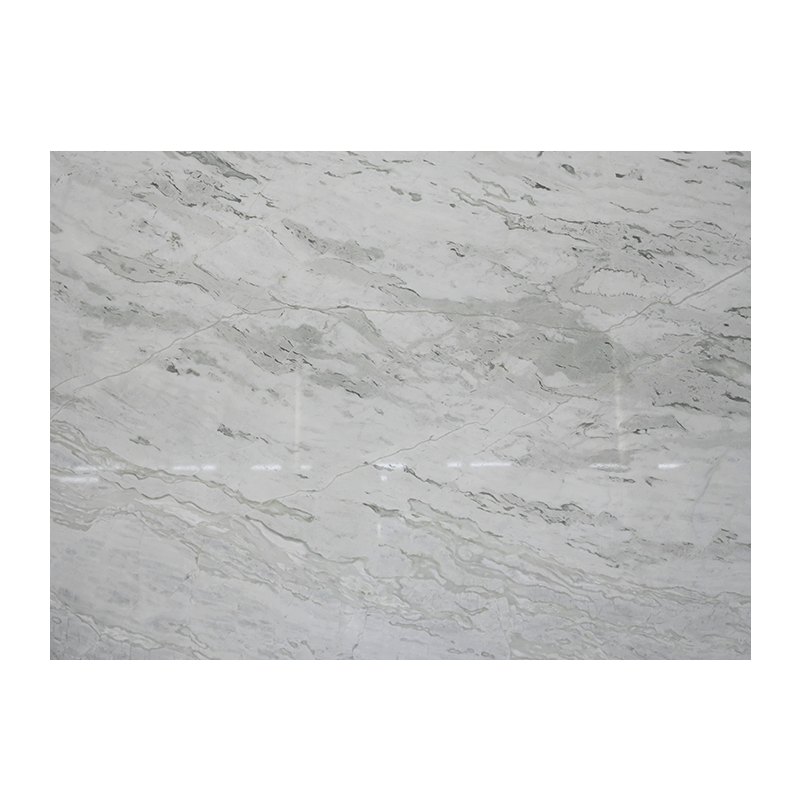
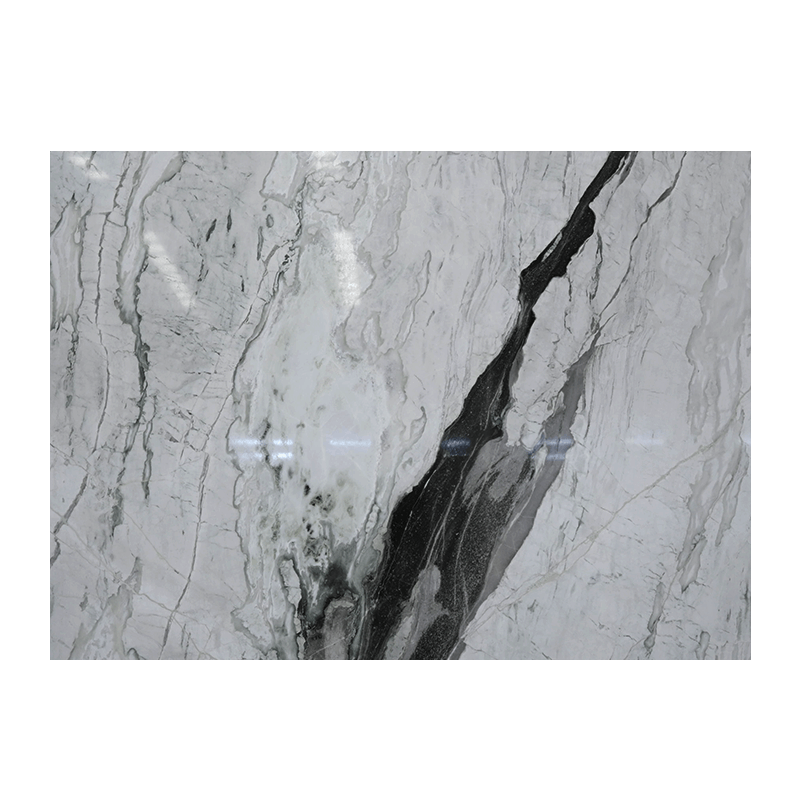
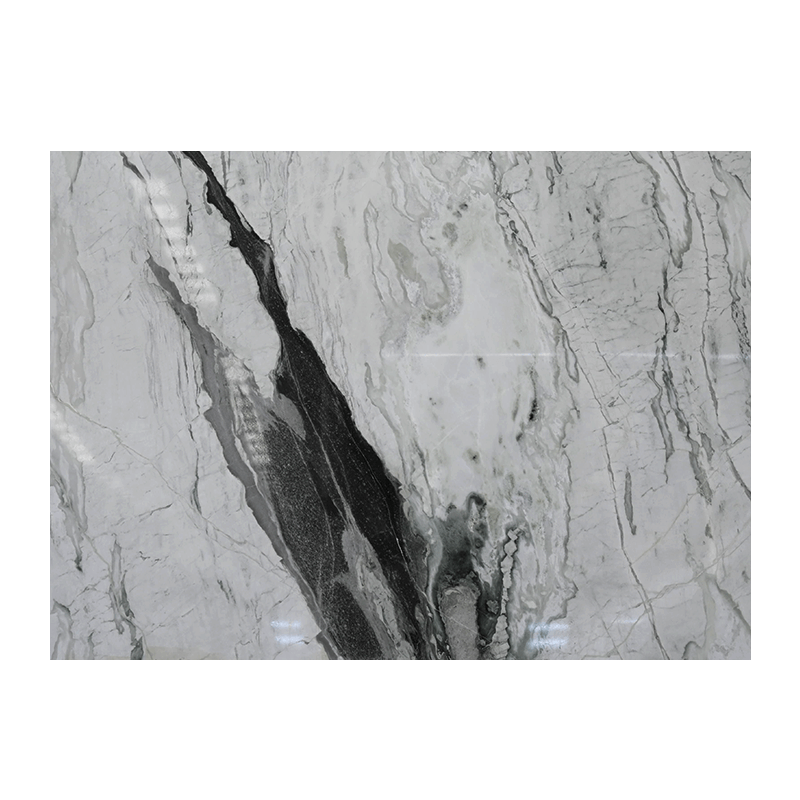
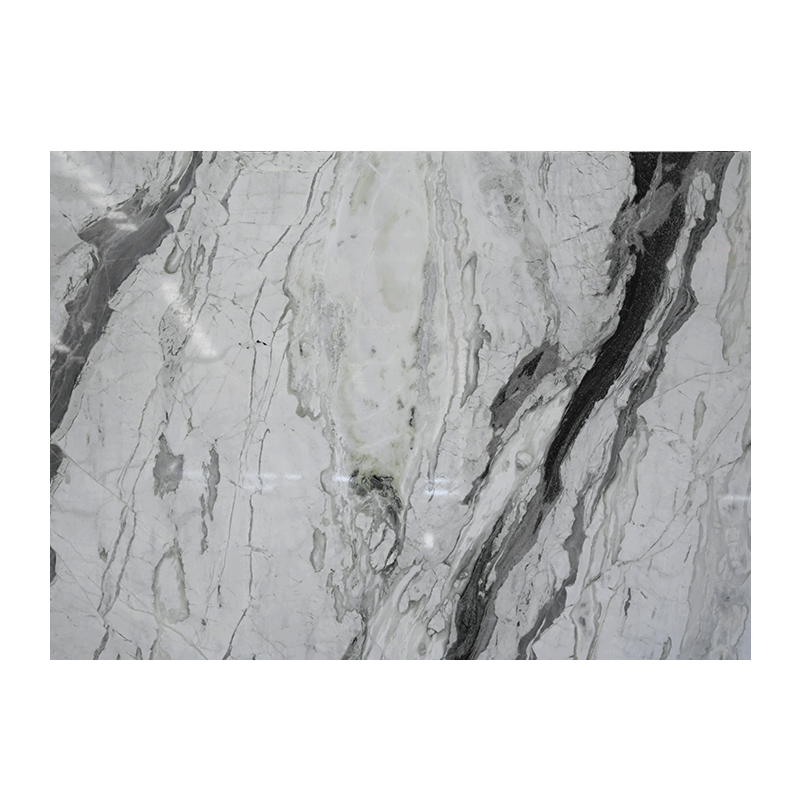
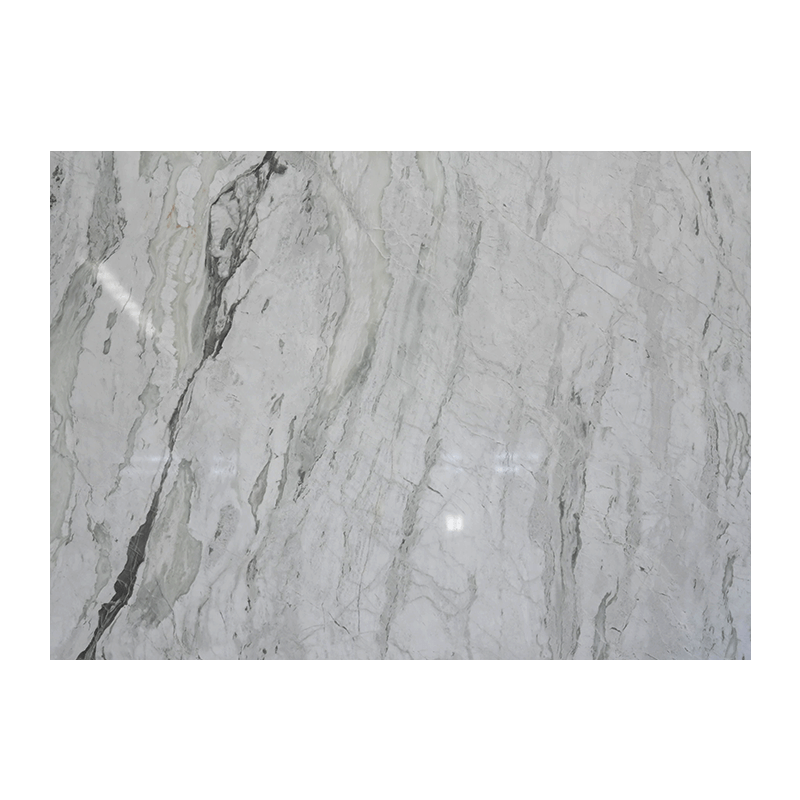
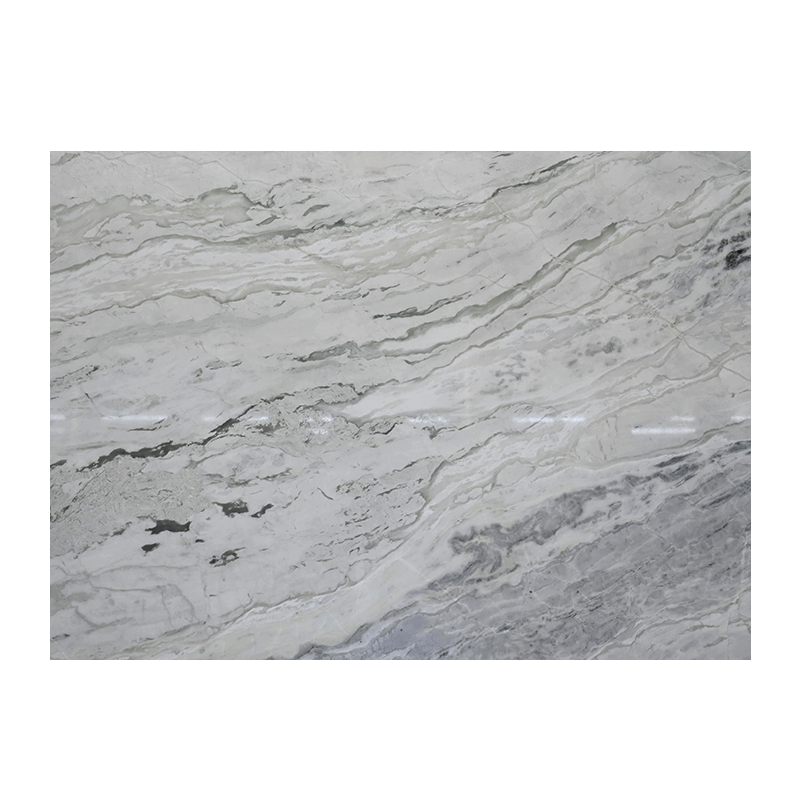
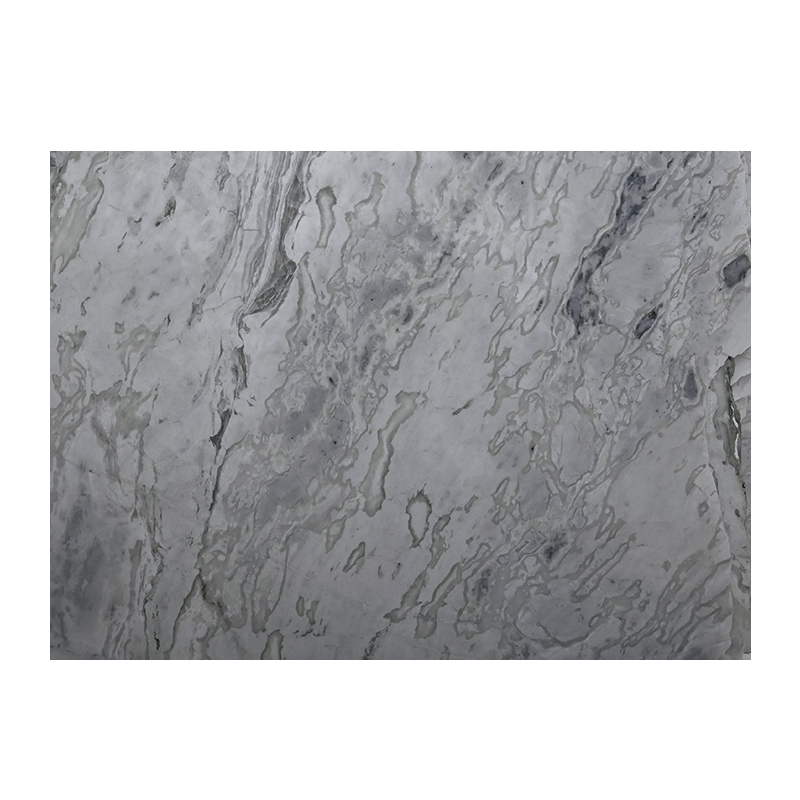
Polished Marble Block performs moderately in outdoor environments, but UV radiation is one of its most significant long-term adversaries. While the stone itself does not structurally degrade from sunlight alone, the polished surface gloss, color vibrancy, and mineral integrity can all be measurably affected over time. For architects, developers, and procurement professionals considering Polished Marble Block for exterior applications, understanding this performance profile upfront is essential to making informed decisions and planning appropriate maintenance strategies.
Marble is a metamorphic rock composed primarily of calcite or dolomite crystals. When exposed to prolonged UV radiation, several physical and chemical reactions occur at the surface level of a Polished Marble Block:
Research published in construction materials journals has shown that white Carrara marble specimens exposed to outdoor UV conditions in Mediterranean climates lose approximately 15–25 microns of surface material per decade, which is sufficient to visibly compromise a polished finish within a few years without proper protection.
Not all Polished Marble Block products respond to UV radiation equally. The mineral composition, color pigmentation, and veining density all play roles in UV resistance. The following table summarizes how common marble types compare in outdoor UV performance:
| Marble Type | Primary Composition | UV Color Stability | Gloss Retention (5 yrs outdoor) | Recommended Use |
|---|---|---|---|---|
| Carrara White | Calcite (98%) | Moderate (yellowing risk) | 50–65% | Semi-sheltered exterior |
| Calacatta Gold | Calcite + iron traces | Low (high iron oxidation risk) | 40–55% | Interior preferred |
| Emperador Dark | Calcite + dolomite | Good (dark pigment stability) | 60–75% | Exterior cladding |
| Grey Marquina | Calcite + clay minerals | Moderate | 55–70% | Exterior with sealing |
As shown, darker Polished Marble Block varieties generally outperform white or gold-toned marbles under direct UV exposure due to their more stable pigmentation and denser mineral structure.
UV radiation rarely acts alone in outdoor settings. The durability of a Polished Marble Block in exterior applications is also shaped by how UV interacts with other environmental stressors:
Calcite-based Polished Marble Block is highly vulnerable to acidic precipitation. In urban environments where rainfall pH averages 4.2–5.6, the surface of a Polished Marble Block can experience visible etching within 2–3 years. UV exposure accelerates this by weakening the surface crystalline layer, making it more reactive to acid attack.
In climates with harsh winters, water that infiltrates micro-cracks in a UV-degraded Polished Marble Block will expand upon freezing, widening fissures over time. Marble tested under ASTM C880 and subjected to 50 freeze-thaw cycles showed a flexural strength reduction of up to 18% in specimens that had been UV-exposed compared to unexposed controls.
Polished Marble Block has a thermal expansion coefficient of approximately 4–7 × 10⁻⁶/°C. In regions with large daily temperature swings — common in arid or high-altitude environments — repeated thermal cycling can cause bowing or cracking, particularly in larger slab formats cut from the block. UV-weakened surface layers are less capable of accommodating this thermal movement elastically.
While Polished Marble Block is not the most UV-resistant natural stone available, its outdoor lifespan can be significantly extended through the following protective interventions:
Despite its UV sensitivity, Polished Marble Block remains a desirable and widely used material in outdoor architecture when deployed strategically. The following applications represent optimal use cases where the material's aesthetic strengths are leveraged while UV exposure risks are managed:
For projects where full UV exposure is unavoidable and long-term gloss retention is a priority, it is worth benchmarking Polished Marble Block against other natural stone options:
| Stone Type | UV Resistance | Acid Resistance | Gloss Longevity Outdoors | Cost Index |
|---|---|---|---|---|
| Polished Marble Block | Moderate | Low | 3–7 years (with sealing) | Medium–High |
| Polished Granite | High | High | 10–20 years | Medium |
| Quartzite | High | Moderate | 8–15 years | Medium–High |
| Limestone | Low–Moderate | Low | 2–5 years | Low–Medium |
| Travertine | Moderate | Low | 3–6 years | Medium |
Polished Granite clearly outperforms Polished Marble Block in direct UV outdoor applications, but where the unique aesthetic of marble — its translucency, veining, and warmth — is a non-negotiable design requirement, Polished Marble Block remains the specification of choice, provided a robust maintenance protocol is in place.
With deliberate precautions. Polished Marble Block is not inherently unsuitable for outdoor use, but it demands a more proactive care strategy than harder silicate stones like granite. For projects in temperate or northern climates with moderate UV indices, properly sealed Polished Marble Block can serve beautifully for a decade or more. In high-UV equatorial or desert climates, specifying darker marble varieties, applying UV-resistant sealants, and incorporating architectural shading are all strongly recommended.
The key takeaway for buyers and specifiers is this: the outdoor performance of Polished Marble Block is not fixed — it is a function of material selection, surface treatment, installation environment, and maintenance commitment. When these factors are aligned correctly, Polished Marble Block continues to deliver the timeless elegance it is prized for, even under the demands of outdoor exposure.


Factory Address: NO.8,WEST BINHAI ROAD,LAOBAGANG(JIAOXIE TOWN),BINHAI NEW AREA,HAIAN COUNTY,NANTONG,JIANGSU,CHINA


+86-15221350573

+86-571-86632298
 English
 Español
 русский
 عربى
عربى