Material Density and Sound Reflection
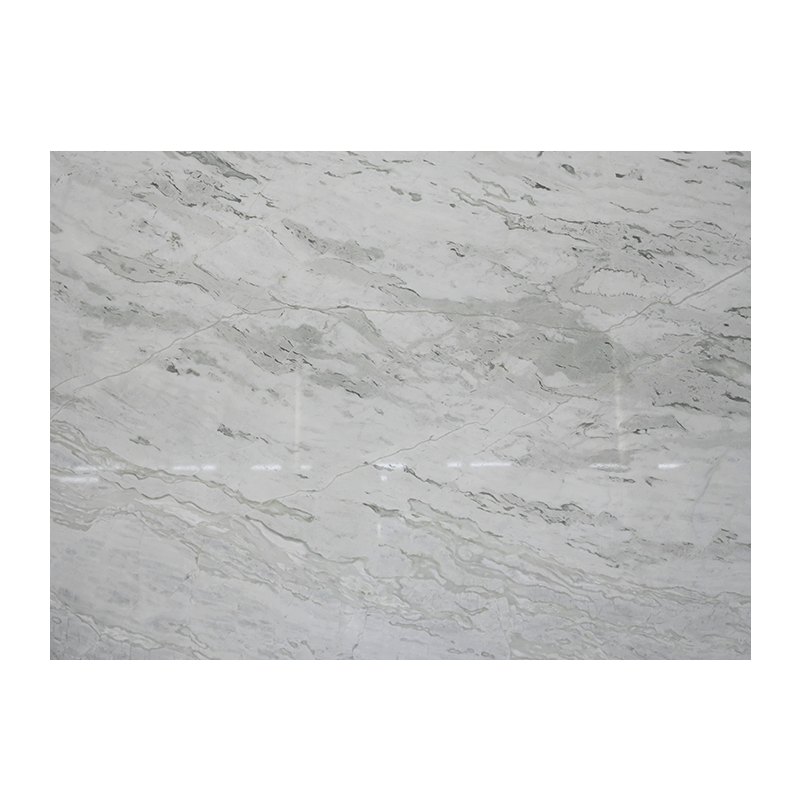
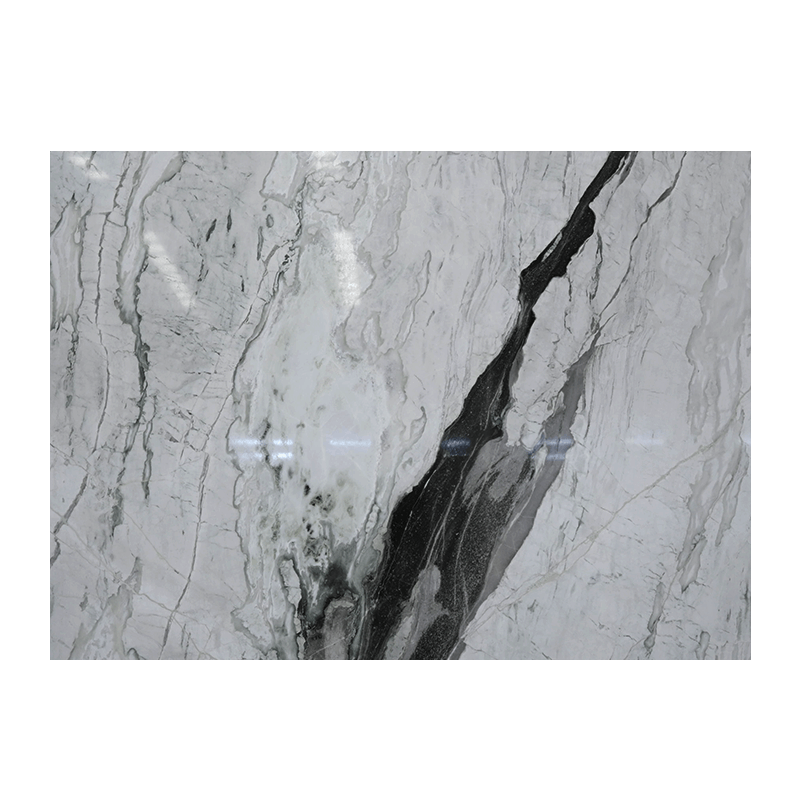
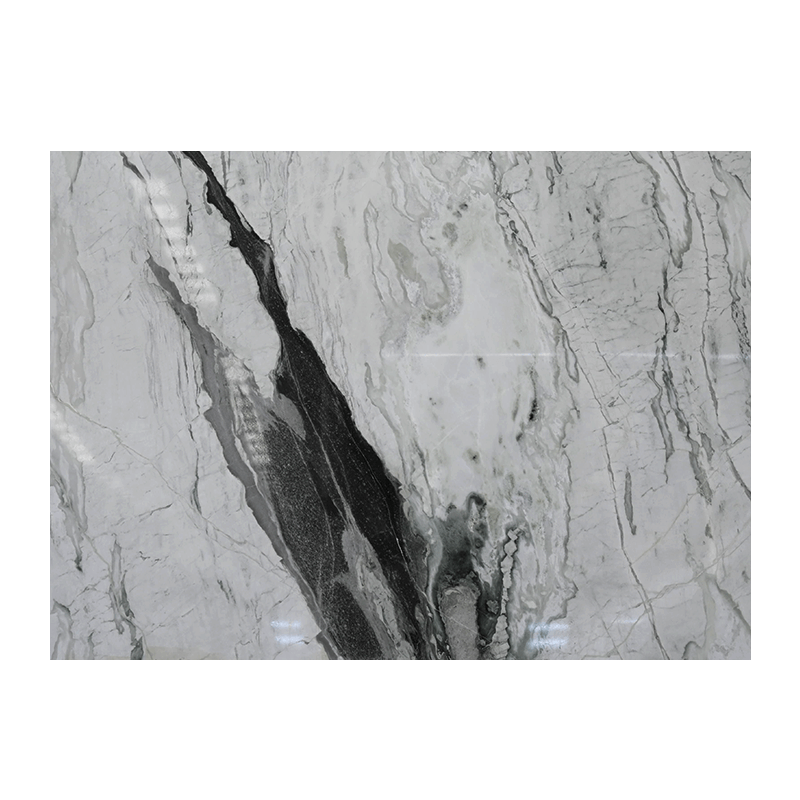
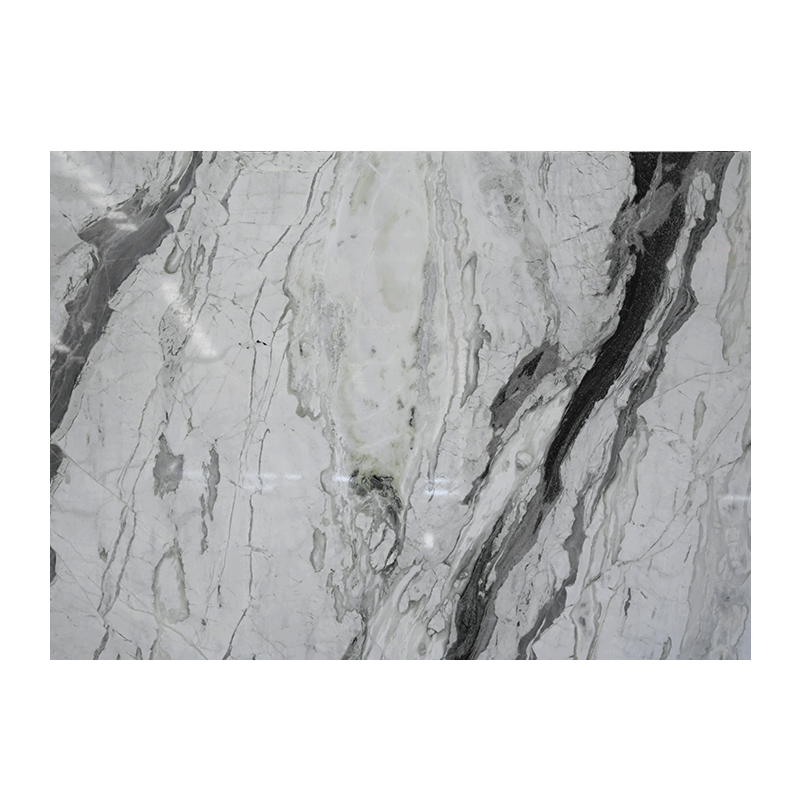
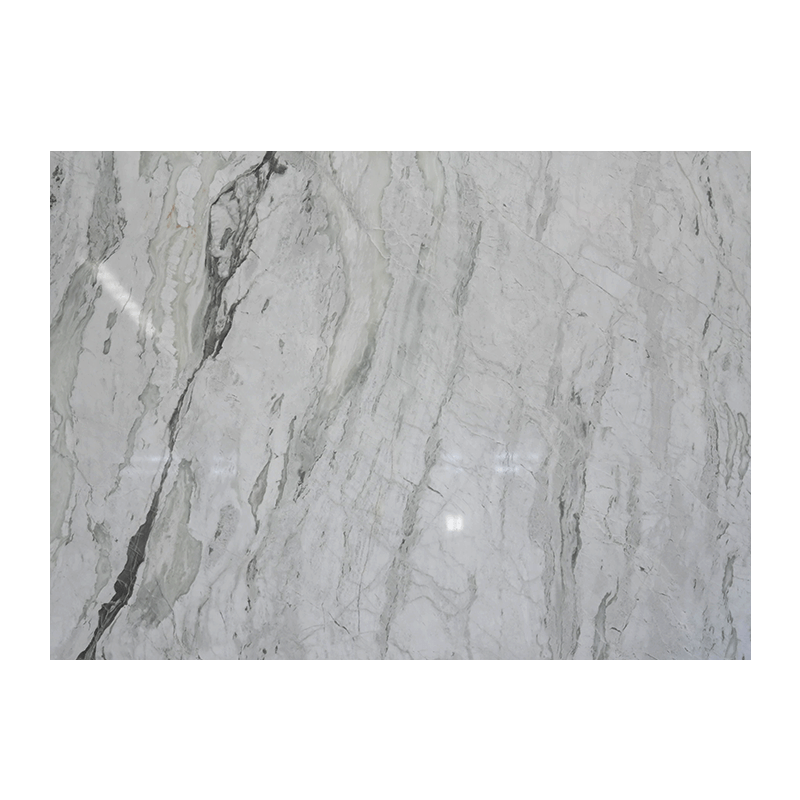
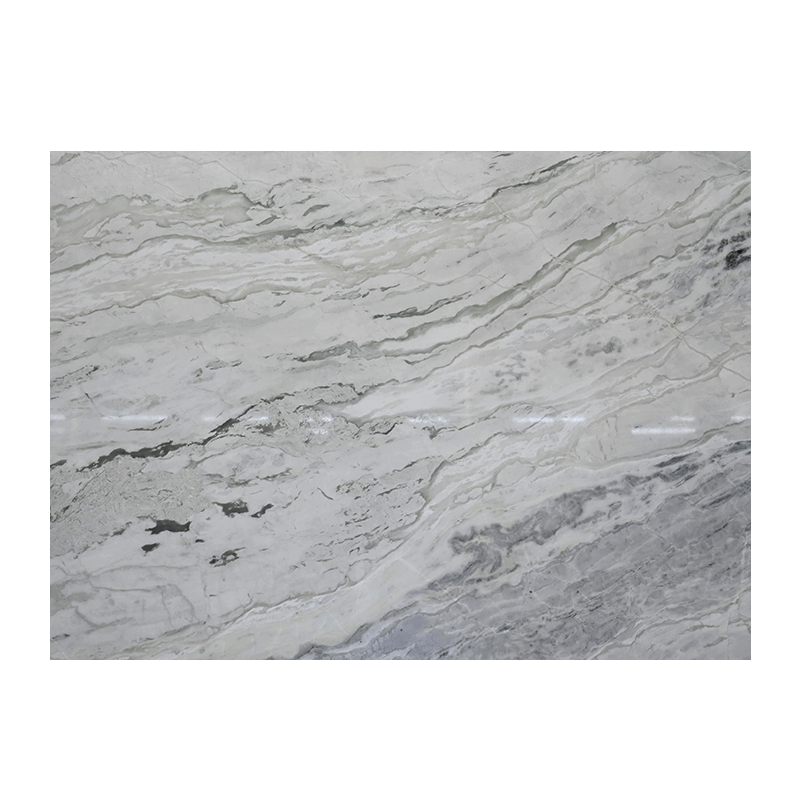
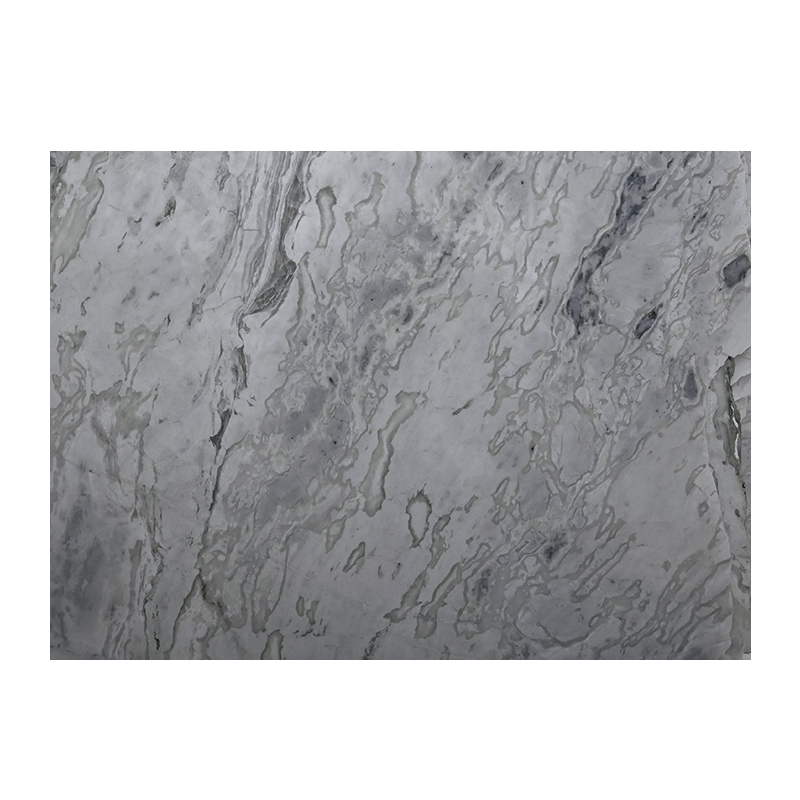
Natural jade is a naturally dense, hard, and non-porous stone, which makes it highly reflective to sound waves. When installed as a background wall, this high density causes most acoustic energy to bounce back into the room rather than being absorbed. This reflection increases reverberation time, meaning that sounds such as speech, music, or ambient noise linger longer in the space. In large open areas or spaces designed for musical performance, this can enhance the richness and fullness of sound, adding a sense of depth and warmth to the acoustics. However, in smaller rooms such as residential living areas, offices, or conference rooms, the reflective nature of jade may amplify echoes, create overlapping sound waves, and reduce speech intelligibility. Therefore, designers must carefully consider the reflective characteristics of jade relative to the intended function of the space and balance it with other materials to control reverberation and noise levels.
Surface Finish and Acoustic Behavior
The finish of the jade wall surface plays a critical role in determining how sound interacts with it. Polished, high-gloss jade surfaces provide highly specular reflections, meaning that sound waves bounce off in predictable directions, which can result in sharp high-frequency reflections, flutter echoes, or hotspots within the room. Conversely, matte, honed, or textured jade finishes scatter sound waves more diffusely, creating a natural diffusion effect that helps to break up reflections and reduce harsh acoustic peaks. By selecting an appropriate surface finish, designers can influence the acoustic signature of the room, creating either a brighter, more resonant space or a softer, more balanced environment depending on functional requirements.
Wall Area and Room Size
The proportion of the wall covered by jade and the overall room volume significantly influence the acoustic impact. A full-height, full-width jade wall in a small or medium-sized room will reflect a larger portion of the incident sound, increasing reverberation and potential echo issues. In contrast, partial feature walls or smaller jade panels will have a subtler impact, providing aesthetic appeal without dramatically altering room acoustics. In large or open-plan spaces, jade walls can contribute positively by adding natural resonance, giving the space a sense of airiness and luxury. Designers must consider both coverage and room size to achieve a balance between the visual statement of the jade wall and acceptable acoustic behavior, often integrating additional acoustic treatments where necessary.
Integration with Other Materials
To manage the reflective nature of a Natural Jade Background Wall, it is important to integrate complementary acoustic materials into the room design. Soft furnishings such as upholstered furniture, curtains, or acoustic wall panels can absorb some of the reflected sound energy, reducing excessive reverberation and controlling flutter echoes. Flooring materials like carpets or area rugs, as well as ceiling treatments such as acoustic tiles or diffusers, can further moderate reflections. Thoughtful material integration ensures that the jade wall enhances the overall aesthetics without creating acoustic problems, maintaining clarity for speech, comfort for living areas, or fidelity for music and audio systems.
Impact on Specific Frequencies
Natural jade walls typically reflect mid- and high-frequency sounds more efficiently than low-frequency sounds. This selective reflection can create uneven acoustic behavior, where higher-pitched sounds dominate, potentially affecting speech clarity or audio reproduction in critical listening spaces. Low-frequency energy may be less impacted, which can result in an imbalanced sound field. To mitigate these effects, designers may incorporate diffusers, bass traps, or additional absorptive elements in the room to achieve a more uniform frequency response. Understanding the frequency-dependent behavior of jade walls allows architects and interior designers to tailor the acoustic environment to the specific purpose of the space.
Thermal and Structural Considerations Impacting Acoustics
The thickness and mounting method of a Natural Jade Background Wall also influence acoustic performance. Thicker, heavier panels provide more mass, reflecting sound more efficiently and potentially transmitting vibration to supporting structures if not properly decoupled. Wall mounting systems that include resilient or damping layers can reduce structural vibration transmission, preventing unwanted resonance or rattling that could interfere with room acoustics. These structural and thermal considerations are particularly relevant in large installations or spaces where precise acoustic control is essential, such as high-end residential theaters, hotel lobbies, or commercial auditoriums.


Factory Address: NO.8,WEST BINHAI ROAD,LAOBAGANG(JIAOXIE TOWN),BINHAI NEW AREA,HAIAN COUNTY,NANTONG,JIANGSU,CHINA


+86-15221350573

+86-571-86632298
 English
 Español
 русский
 عربى
عربى