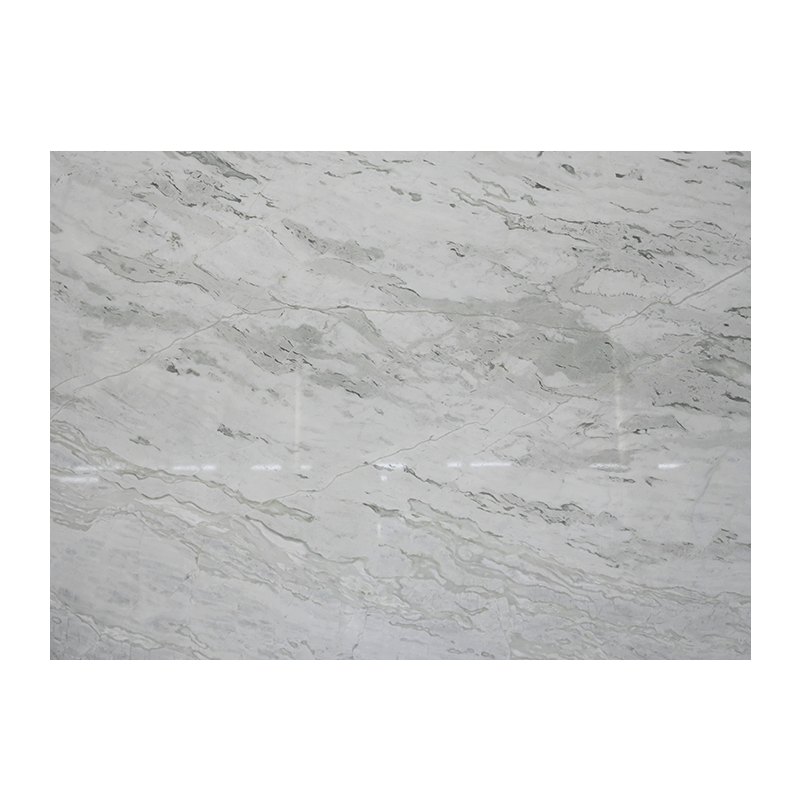
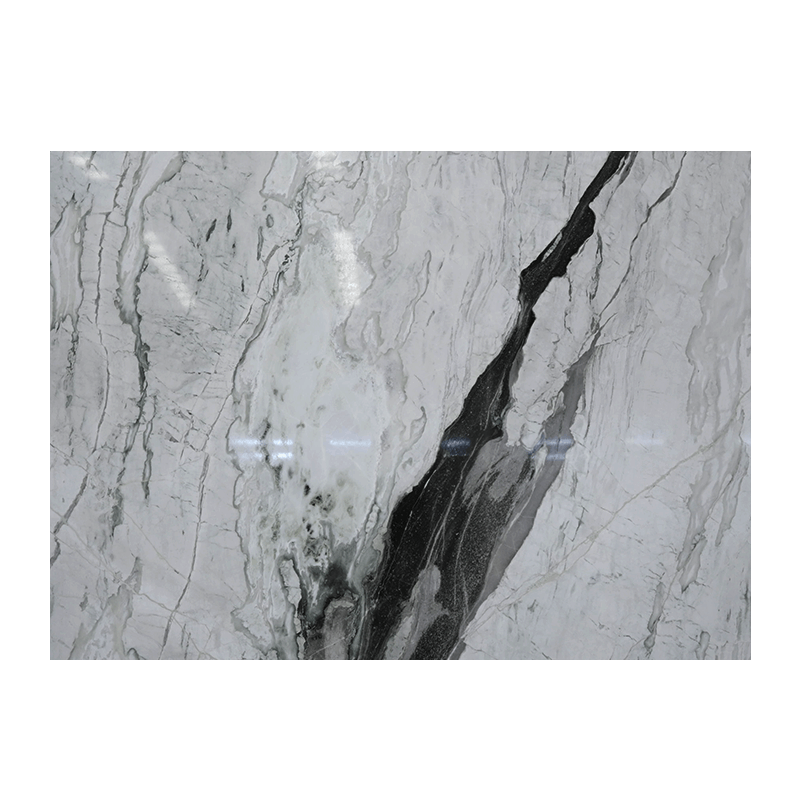
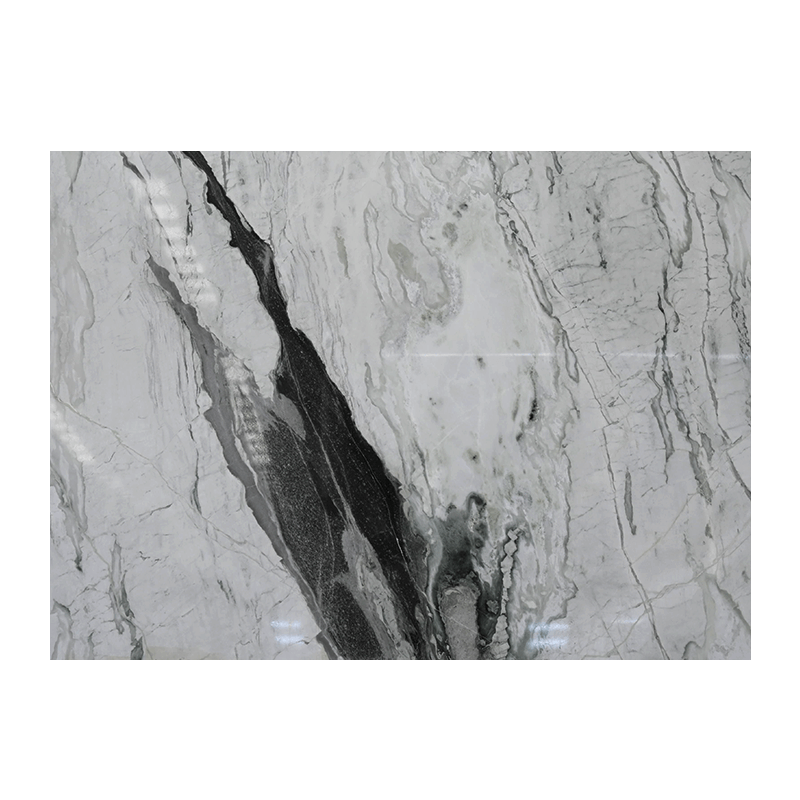
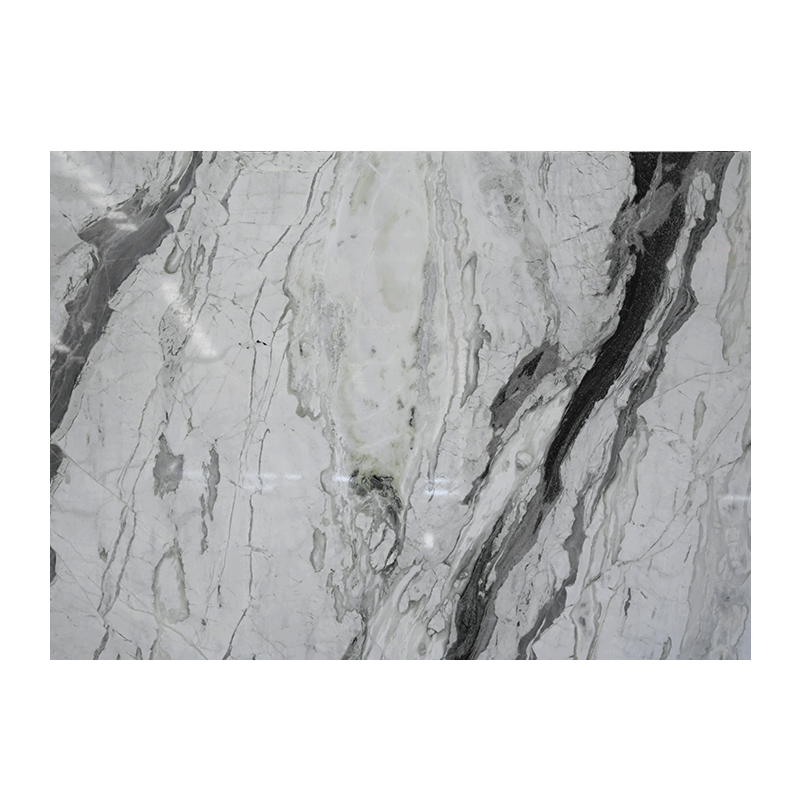
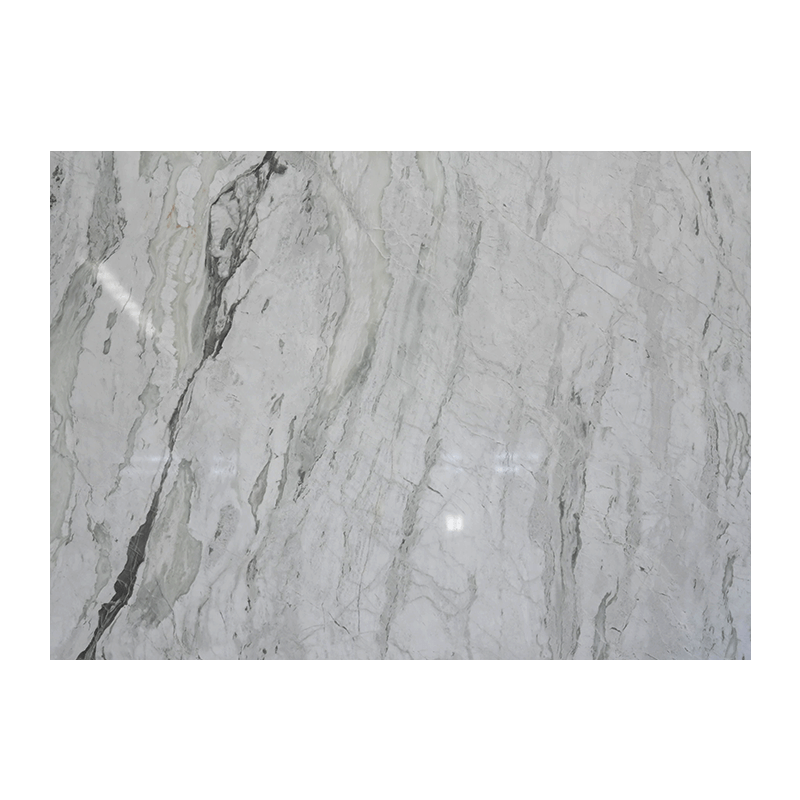
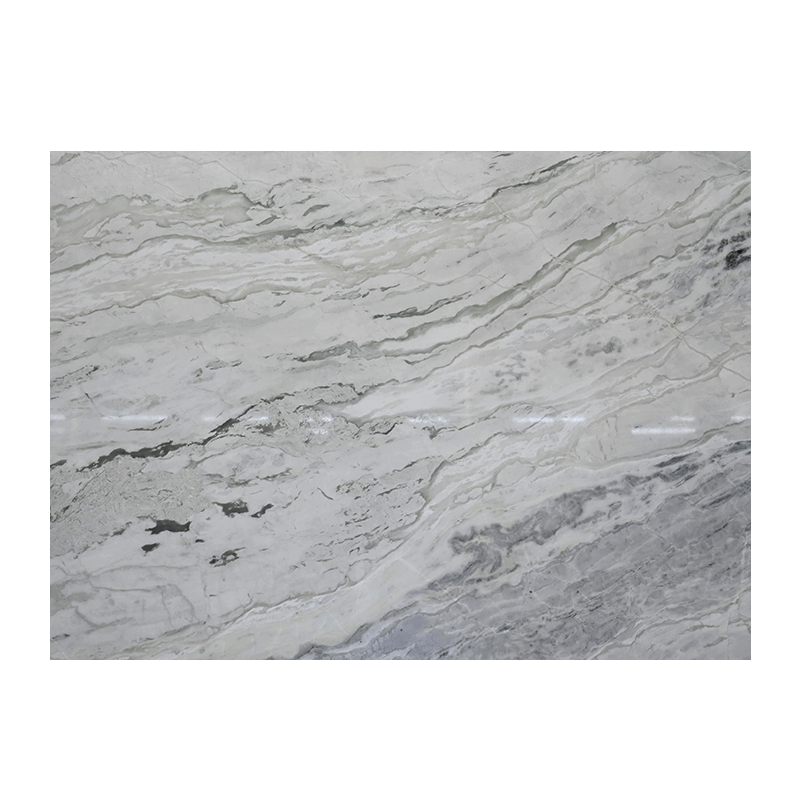
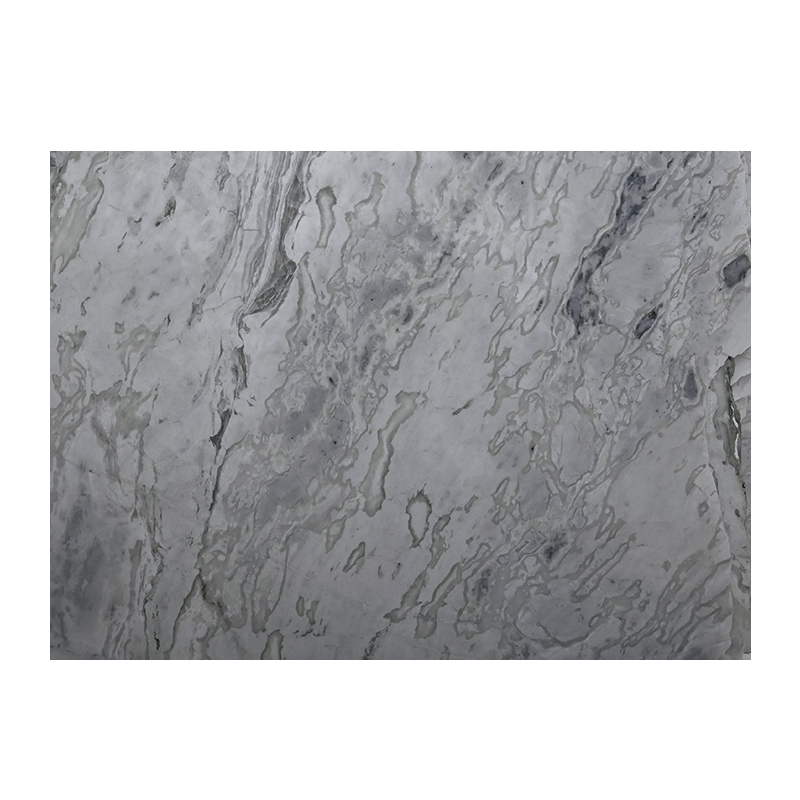
The load-bearing capacity of Marble Finished Tables is largely determined by the combination of the tabletop material and the underlying support structure. While the marble finish provides a visually appealing and durable surface, it is typically applied over a core made of materials such as medium-density fiberboard (MDF), plywood, engineered wood, or solid wood. The quality and density of this core play a crucial role in supporting heavy loads, as they absorb and distribute weight across the table. In high-end tables, manufacturers may reinforce the core with additional metal brackets or laminated layers to improve stiffness and prevent sagging under sustained loads. The synergy between the marble surface and a strong core allows these tables to support decorative objects like vases, sculptures, or electronics, as well as functional items such as dinnerware, books, or laptops, without compromising surface integrity.
Even a robust Marble Finished Table can experience stress if weight is concentrated in a single point. Placing a heavy object directly in the center of the table or along unsupported sections can lead to localized deflection, which over time may cause micro-cracks in the finish or warping of the underlying core. To maximize load-bearing efficiency, it is essential to distribute weight evenly across the tabletop surface. High-quality marble finished tables often incorporate design elements such as thickened cores, metal reinforcement, or internal cross-supports to ensure that point loads do not exceed the material’s tolerance. For users, this means strategic placement of decorative or functional items to reduce stress concentrations and extend the life of both the tabletop and the support structure.
The table legs, base, and connection hardware are critical factors in determining the overall load capacity of Marble Finished Tables. Tables with sturdy solid wood, metal, or engineered support structures exhibit greater stability and resistance to flexing under heavy loads compared to lightweight or purely aesthetic legs. Leg placement also matters: tables with legs positioned at the corners or integrated with cross-bracing distribute weight more evenly, reducing the likelihood of tipping or warping. For larger surfaces, such as dining or conference tables, manufacturers often include additional crossbars or reinforcements that allow the table to safely handle hundreds of pounds. In contrast, smaller accent or side tables may have lower weight limits and are better suited for moderate decorative items rather than extremely heavy objects.
The marble finish itself influences how the table responds to heavy loads. Thicker marble veneers or engineered stone layers provide better resistance to cracking, chipping, and denting, while ultra-thin surfaces over weaker cores are more prone to deformation. The quality of the finish also determines its ability to maintain aesthetic appeal under stress; high-quality coatings or polished surfaces resist micro-cracks and reduce the risk of permanent marks from heavy objects. Marble Finished Tables are therefore designed to balance elegance with functionality, ensuring that users can safely place both decorative and practical items on the surface without compromising structural integrity or visual appearance.
To optimize the load-bearing performance of Marble Finished Tables, it is important to follow manufacturer guidelines regarding maximum weight limits and usage scenarios. Users should avoid placing extremely heavy, point-loaded objects on unsupported areas of the tabletop and, when necessary, provide additional support for oversized or unusually heavy items. Regular inspection of the legs, cross-supports, and tabletop surface can help identify early signs of stress, such as minor sagging, surface cracks, or loosening hardware, allowing corrective action before damage occurs. By adhering to these recommendations, users can enjoy the aesthetic elegance of Marble Finished Tables while confidently supporting functional and decorative loads over long periods, combining durability with practical usability.


Factory Address: NO.8,WEST BINHAI ROAD,LAOBAGANG(JIAOXIE TOWN),BINHAI NEW AREA,HAIAN COUNTY,NANTONG,JIANGSU,CHINA


+86-15221350573

+86-571-86632298
 English
 Español
 русский
 عربى
عربى