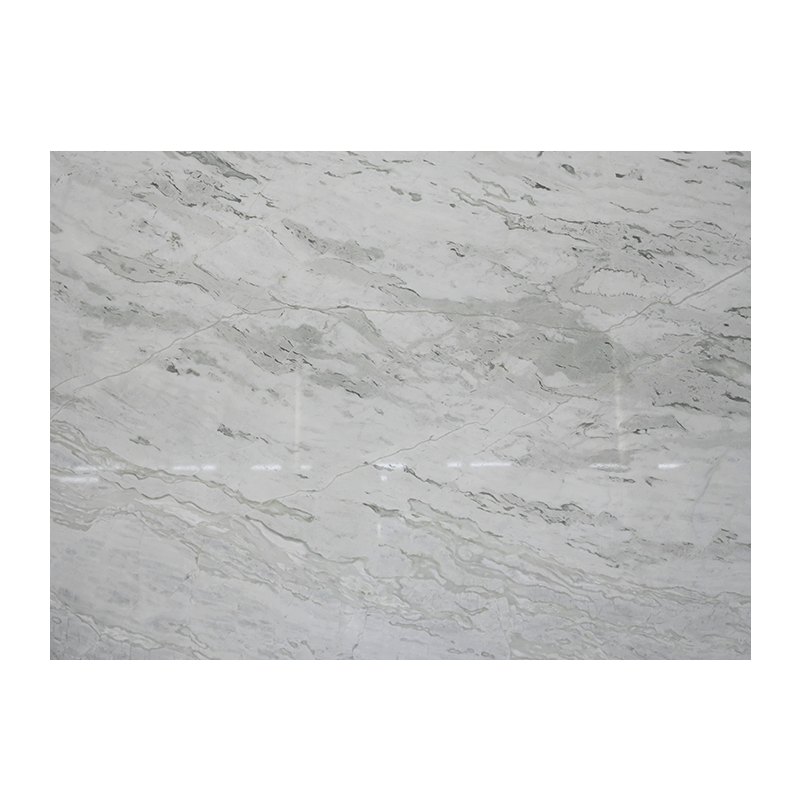
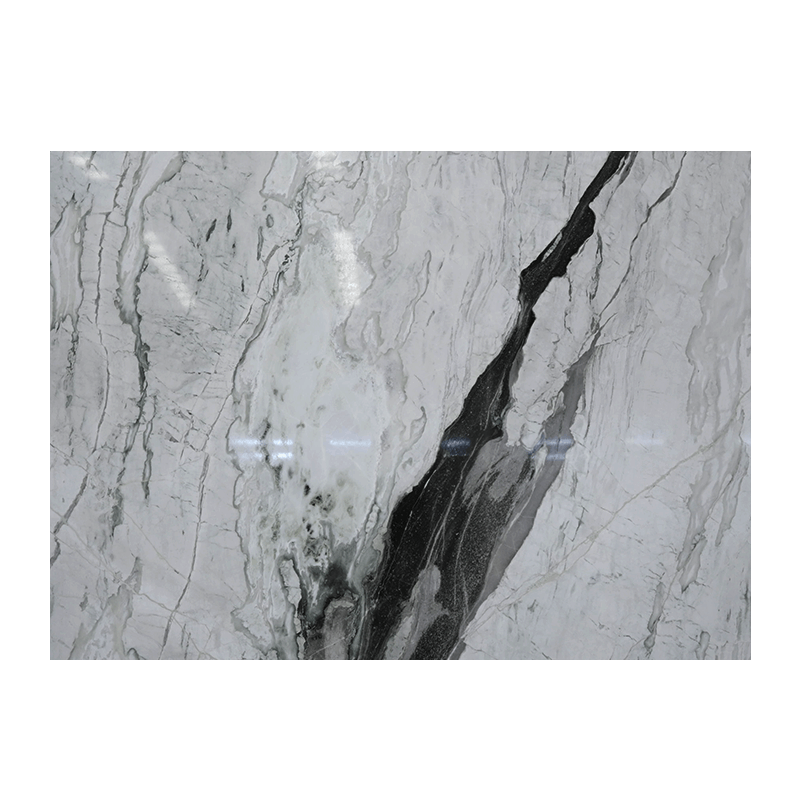
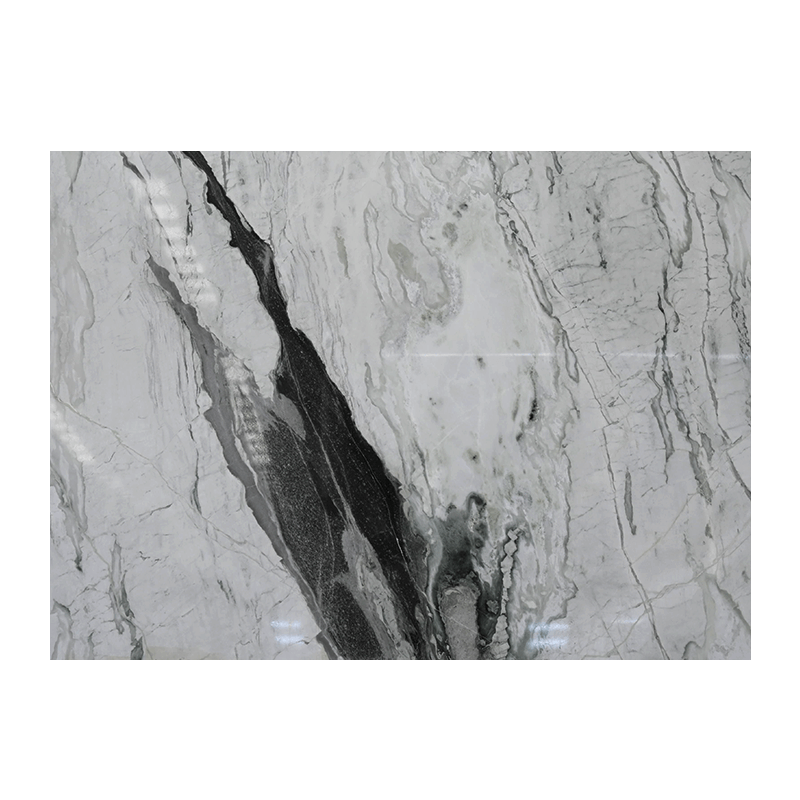
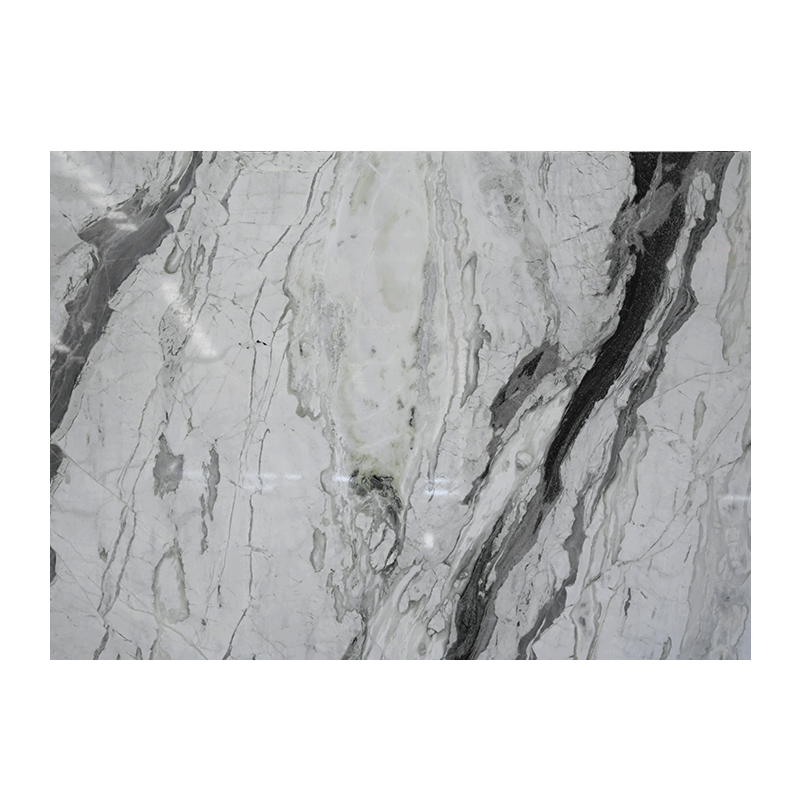
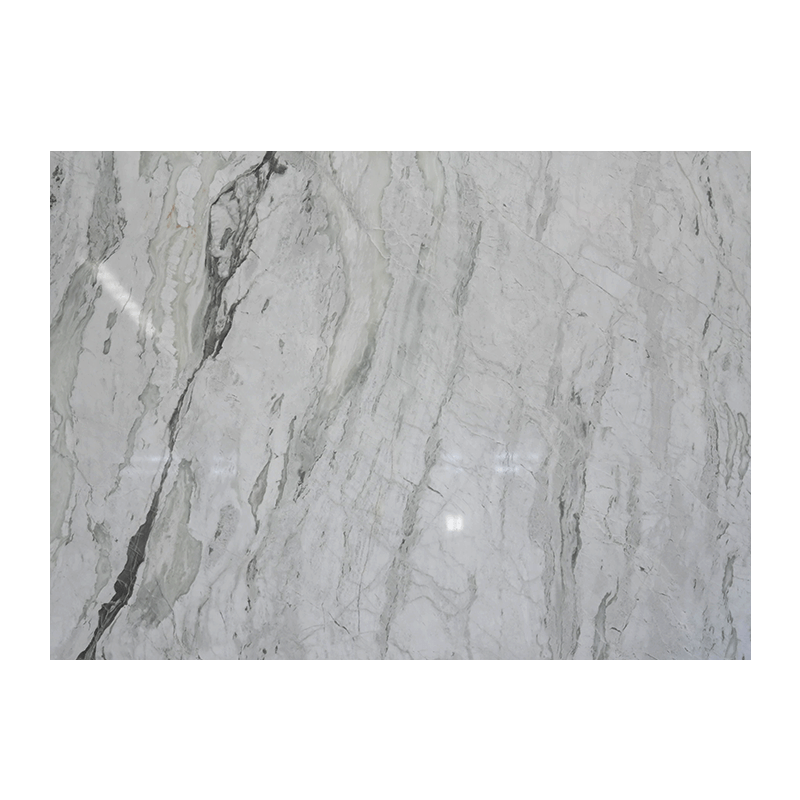
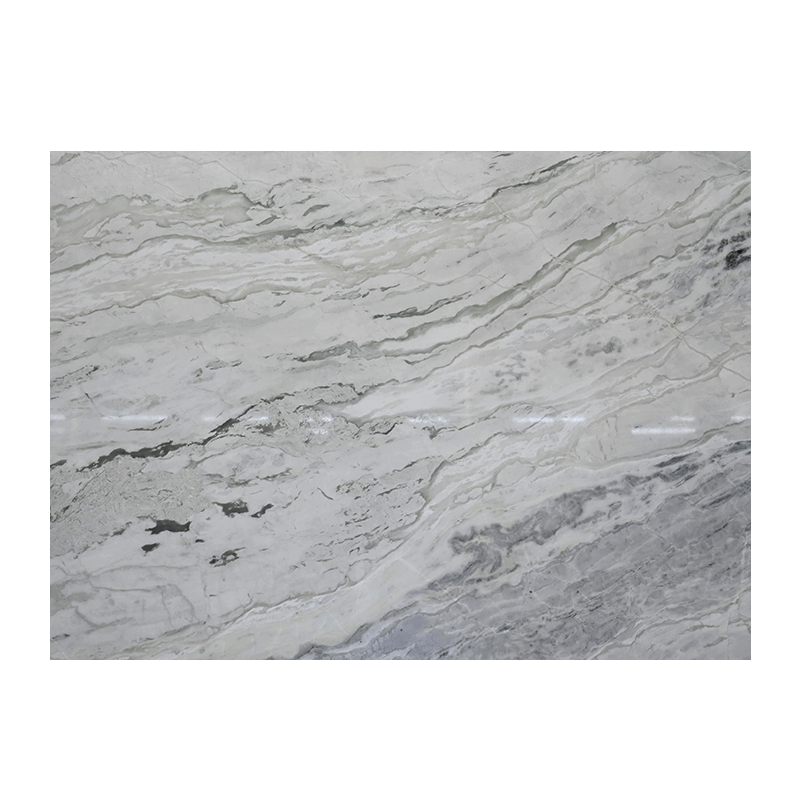
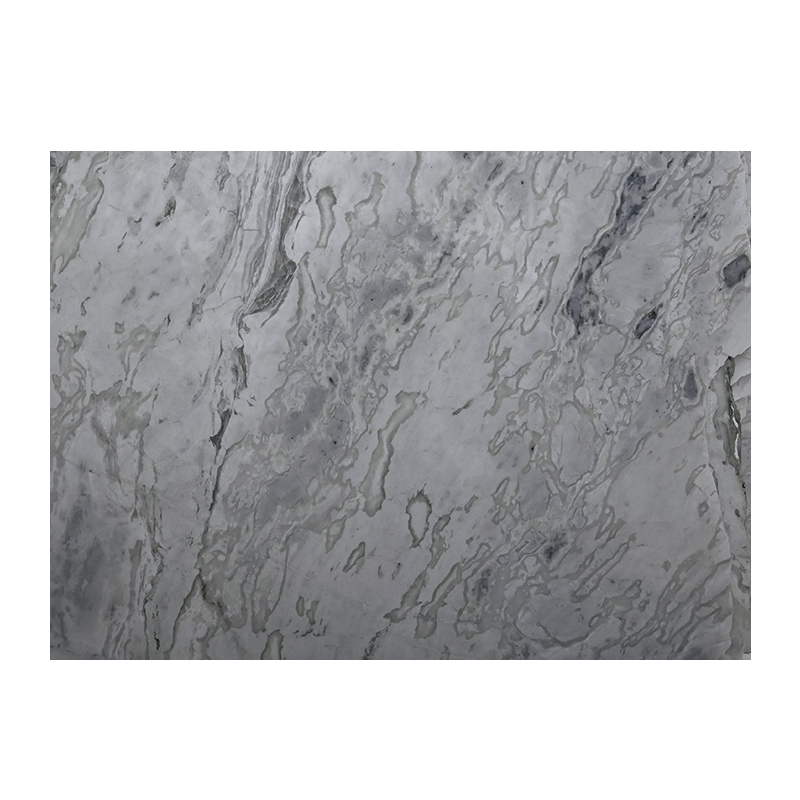
Marble block responds to temperature changes through physical expansion and contraction — a natural property of all stone materials. In outdoor installations, marble expands approximately 5 to 7 micrometers per meter for every 1°C rise in temperature (a coefficient of thermal expansion of roughly 5–7 × 10⁻⁶/°C). This means that in climates with a seasonal temperature swing of 40°C, a single 1-meter marble block may shift by as much as 0.28 mm. While this sounds minor, across large facades, plazas, or retaining walls, cumulative movement can cause cracking, surface spalling, or joint failure if not properly accounted for during design and installation.
The good news is that with the correct joint spacing, appropriate sealants, and proper substrate preparation, marble block performs reliably in outdoor environments for decades. The key is treating thermal movement as a design input, not an afterthought.
Unlike interior applications — such as marbel walls in hotel lobbies or residential entryways — where temperatures remain relatively stable, outdoor marble block installations are exposed to direct solar radiation, ambient air temperature swings, freeze-thaw cycles, and moisture. Each of these variables drives physical stress within the stone and at the interface between the marble block and its supporting substrate.
Dark-colored marble or polished marble block surfaces can absorb significant solar heat, with surface temperatures reaching 20–30°C above ambient air temperature on sunny days. This amplifies the effective thermal range the stone must endure. A marble block installation in a city with temperatures ranging from −5°C in winter to +35°C in summer may actually experience surface temperature swings of up to 70°C when solar gain is factored in.
Ignoring these forces leads to predictable failure modes: hairline cracking along the block face, grout or mortar joint deterioration, edge chipping at block corners, and in severe cases, structural delamination from the substrate.
Expansion joints are the primary engineering tool for managing thermal movement in marble block installations. These joints allow each block or panel section to move independently without transferring stress to adjacent units or the substrate.
| Climate Type | Temperature Range | Recommended Joint Spacing | Minimum Joint Width |
|---|---|---|---|
| Tropical / Stable | 15°C – 38°C | Every 6–8 m | 6 mm |
| Temperate | −5°C – 35°C | Every 4–6 m | 8 mm |
| Continental / Cold | −20°C – 35°C | Every 3–4 m | 10 mm |
| Extreme / Alpine | −30°C – 40°C | Every 2–3 m | 12 mm |
These joints must be filled with a flexible, UV-resistant polyurethane or silicone sealant rated for stone applications — never rigid mortar, which will crack and defeat the purpose of the joint entirely.
The marble block does not move in isolation — it moves relative to whatever it is bonded or anchored to. If the substrate (concrete slab, steel frame, masonry wall) has a significantly different coefficient of thermal expansion, differential movement occurs at the interface, generating shear stress that can debond or crack the marble block.
Concrete, for example, has a thermal expansion coefficient of approximately 9–12 × 10⁻⁶/°C — roughly double that of marble. This mismatch must be managed through:
In cold climates, thermal stress is compounded by freeze-thaw cycling. Water that penetrates micro-fissures or the natural pores of marble block expands by approximately 9% in volume when it freezes, generating internal pressure that can fracture the stone from within — a process known as frost spalling.
Marble block used outdoors in freeze-thaw climates should meet a minimum frost resistance standard. Under EN 14617, marble block intended for exterior use should withstand at least 48 freeze-thaw cycles without showing significant surface degradation. Higher-grade specifications for extreme climates may require 100+ cycles.
A properly sealed marble block is far more resistant to the combined effects of thermal movement and moisture infiltration. It is worth noting that the same sealing principles applied to outdoor marble block also benefit interior stone installations — including a marble and subway tile bathroom, where steam, condensation, and cleaning chemicals similarly threaten surface integrity and grout joint adhesion over time. Sealers do not stop thermal expansion — they reduce the secondary damage caused by water entering the stone during temperature cycling.
For outdoor marble block, the following sealer types are most commonly recommended:
Reapplication frequency depends on foot traffic and climate exposure, but most penetrating sealers on outdoor marble block require reapplication every 3 to 5 years.
Not all marble block performs equally under thermal stress. While many homeowners and designers are drawn to pretty marble varieties for their visual elegance and distinctive veining, aesthetic appeal alone should never drive material selection for exposed outdoor applications — mineralogical composition, grain size, and natural fissuring all influence how a specific marble block variety responds to temperature cycling.
Even a correctly installed marble block installation requires scheduled maintenance to sustain its performance under ongoing thermal cycling. The surface character of the stone — whether it presents a smooth polished face, a deeply veined marbel texture, or a bush-hammered finish — also influences which cleaning agents and maintenance products are appropriate, as abrasive or acidic treatments can permanently alter both the appearance and the protective sealer layer. The following maintenance schedule is widely recommended for outdoor marble block in temperate to cold climates:
Proactive maintenance significantly extends the service life of outdoor marble block. Projects that follow structured maintenance programs routinely achieve 40 to 60 years of service life with minimal structural remediation, compared to poorly maintained installations that may show significant deterioration within 10 to 15 years.


Factory Address: NO.8,WEST BINHAI ROAD,LAOBAGANG(JIAOXIE TOWN),BINHAI NEW AREA,HAIAN COUNTY,NANTONG,JIANGSU,CHINA


+86-15221350573

+86-571-86632298
 English
 Español
 русский
 عربى
عربى