Material Intelligence — Natural Stone Series
Which requires less maintenance? A closer look at surface behavior, sealing cycles, and long-term cost — beyond the showroom shine.
Travertine Tile generally requires less ongoing maintenance than Polished Marble Tile — particularly when it comes to hiding wear, resisting visible scratches, and tolerating everyday foot traffic without constant polishing. This is not because travertine is a "lower quality" stone. It is simply a different mineral structure with a naturally textured, matte-to-satin finish that conceals imperfections far more effectively than the mirror-like surface of polished marble.
That said, the answer is not absolute. Travertine has its own maintenance demands, especially around pitting and grout lines, while polished marble can remain low-maintenance if kept away from acidic spills and abrasive foot traffic. The rest of this piece breaks down exactly why travertine tends to win on maintenance — and in which specific scenarios polished marble is still the more practical choice.
To understand maintenance requirements, you first need to understand how each stone is formed and finished. Both materials begin life as a quarried white marble block or, in the case of darker varieties, a black marble block — but the finishing process changes everything about how the final tile behaves in daily use.
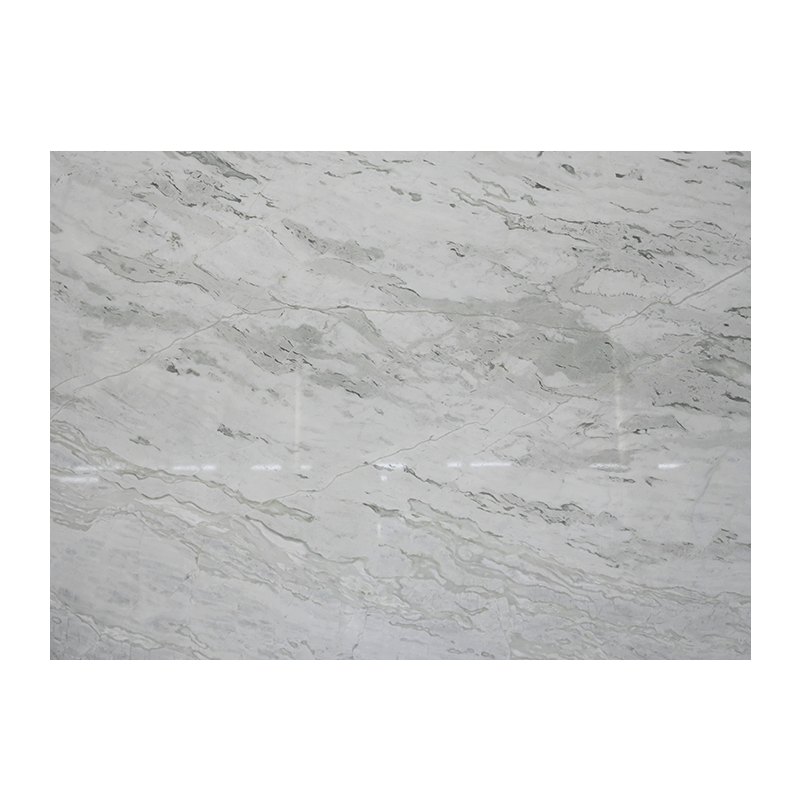
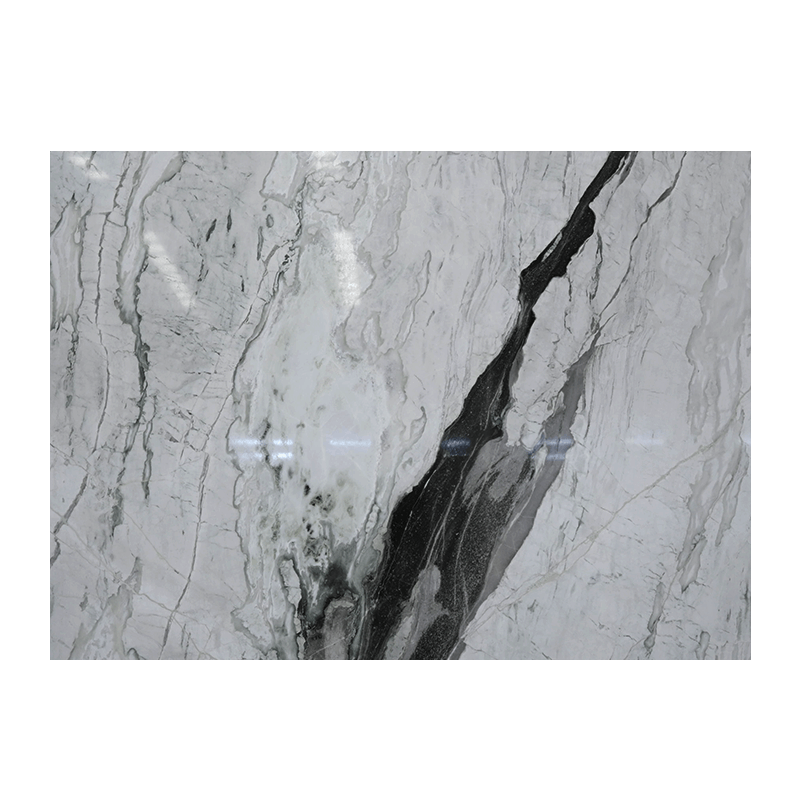
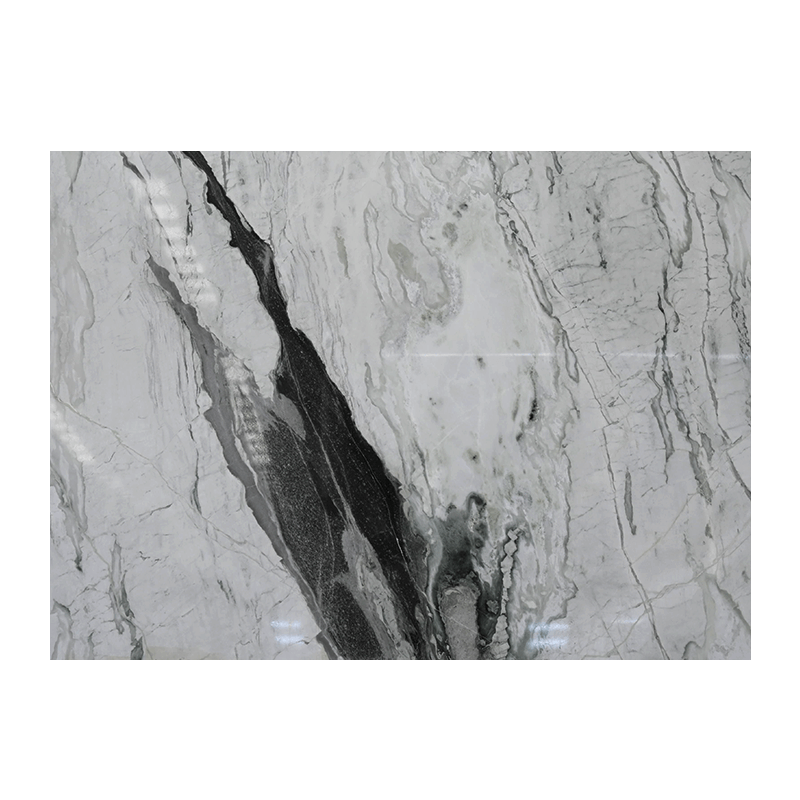
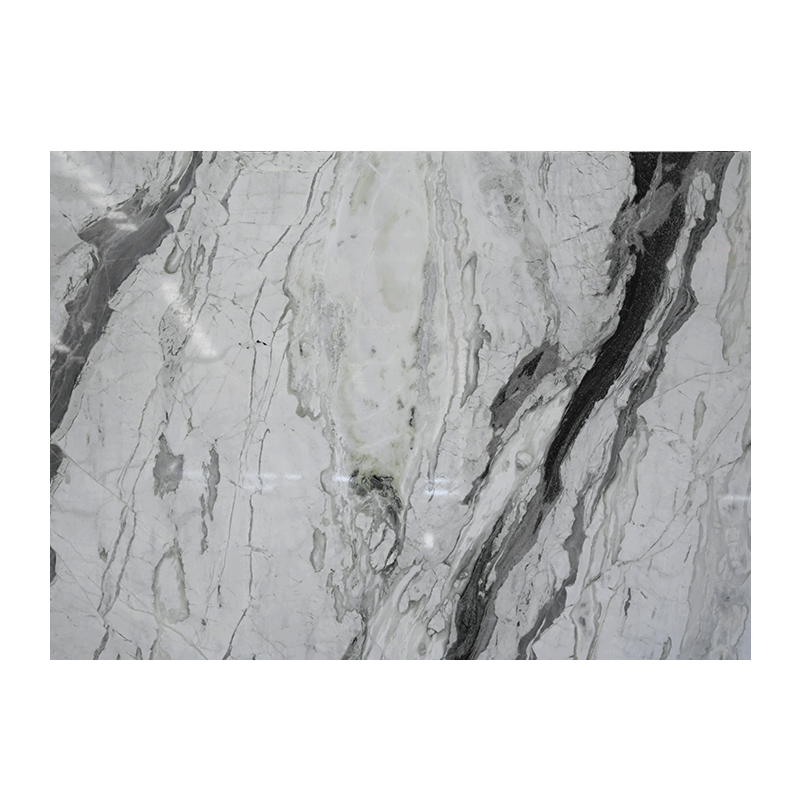
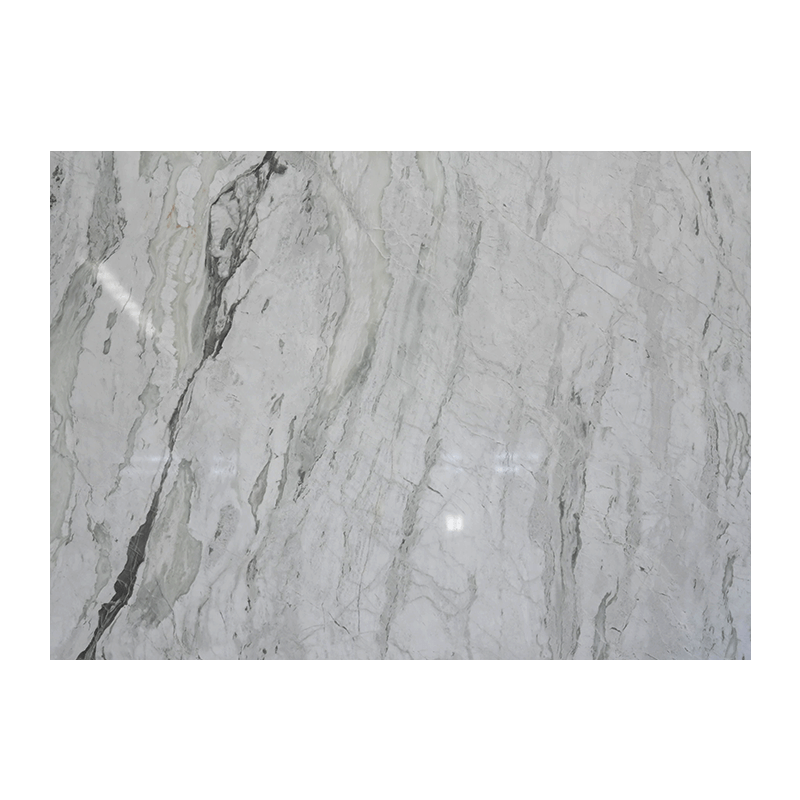
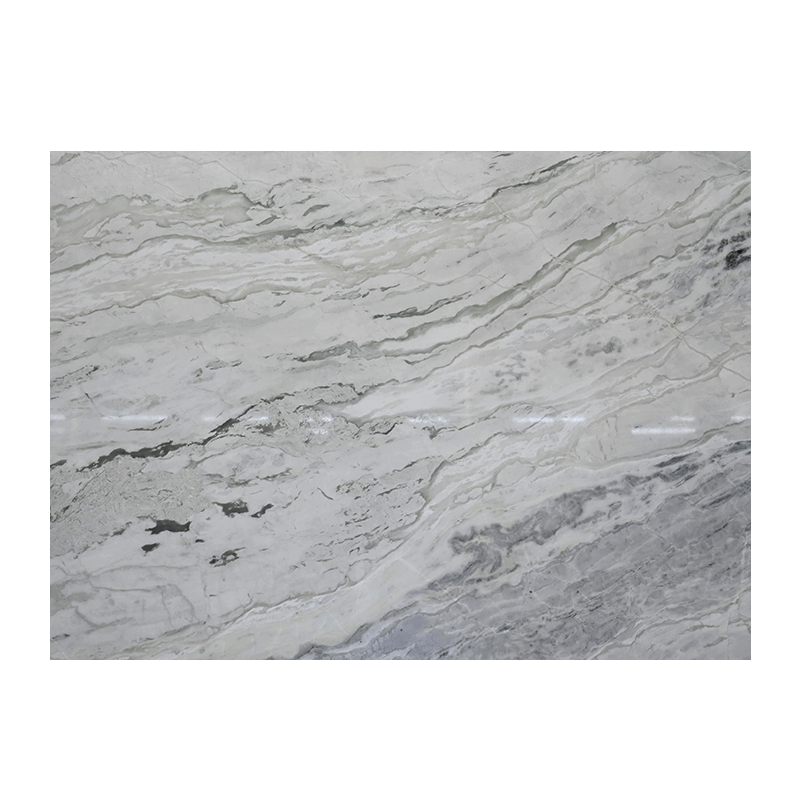
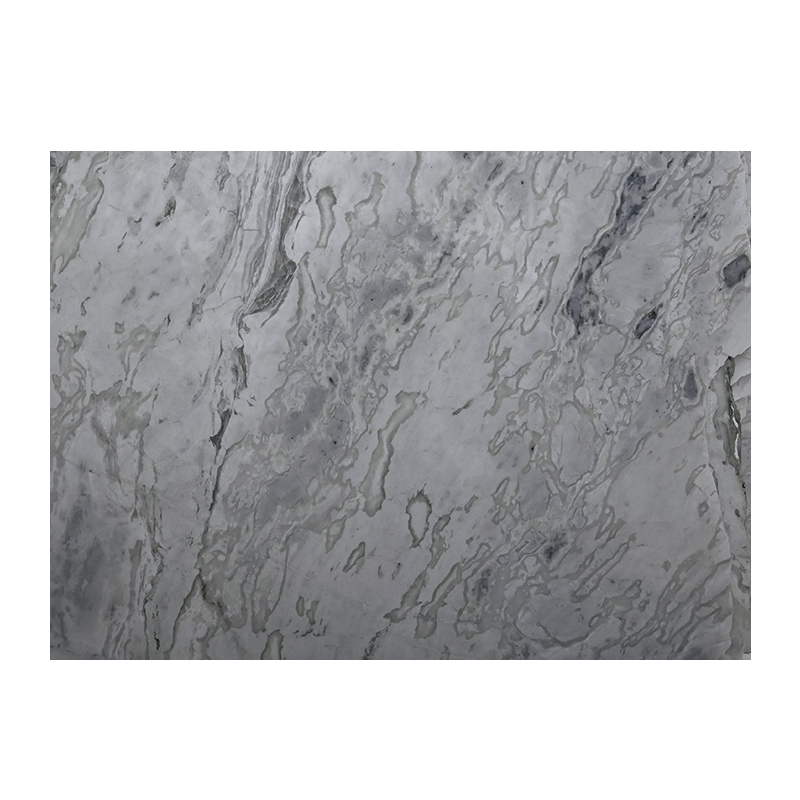
Polished Marble Tile is mechanically buffed until it achieves a high-gloss, reflective surface. This process closes the stone's natural pores at the very top layer, giving it its signature glassy shine. However, the same reflectivity means that any scratch, dull spot, or etch mark caused by acidic substances — vinegar, citrus juice, wine — shows up immediately against the glossy background.
Polished Marble Tile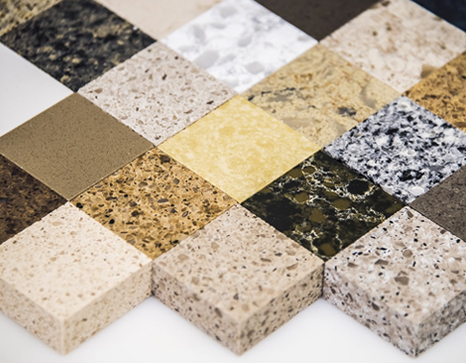
Travertine is a sedimentary limestone formed near mineral springs, which naturally creates small holes and channels within the stone. Most commercial Travertine Tile is sold either "filled" or "unfilled." The filled-and-honed version has a soft, matte finish that does an excellent job of masking scuffs, footprints, and minor scratches — a major reason it requires less visible upkeep in busy households.
A glossy surface behaves like a mirror. Even microscopic disruptions catch light differently — creating a dull patch that is impossible to ignore.
Both stones are porous natural materials and both require periodic sealing, but the frequency — and the consequences of skipping it — differ significantly.
| Maintenance Factor | Polished Marble Tile | Travertine Tile |
| Recommended resealing interval | Every 6–12 months | Every 12–18 months |
| Visible scratch risk | High | Low to Moderate |
| Acid etching sensitivity | High | Moderate |
| Pitting / hole refilling needed | Rare | Occasional (unfilled type) |
| Polishing / buffing needed to maintain look | Frequent | Rare |
Polished Marble Tile needs resealing roughly twice as often as travertine in high-traffic areas to preserve its glossy appearance — the polish itself is a thin, delicate surface layer that wears down faster under foot traffic, sand, and grit.
The biggest maintenance driver for Polished Marble Tile is not structural durability — marble and travertine share a similar hardness on the Mohs scale, roughly 3 to 4 — but visibility. Travertine's matte or lightly honed finish scatters light evenly across the surface, so small imperfections blend into the stone's natural veining and pitting pattern. This is why many hospitality venues and high-traffic retail spaces choose travertine for flooring, reserving polished finishes for lower-traffic accent walls, columns, or tabletops.
Polished Marble Tile demands more caution and product selection care — a single mistake with an acidic cleaner can leave a permanent dull mark that only a professional can buff out.
Caution. Never use vinegar-based or citrus cleaning products on Polished Marble Tile. Even brief contact can permanently etch the polished surface, leaving a dull mark that requires professional re-polishing to correct.
Looking at total cost of ownership makes the maintenance gap even clearer. Based on typical service pricing for a mid-sized residential floor (approximately 500 square feet), here is how the two materials compare over a decade of normal use.
| Service Over 10 Years | Polished Marble Tile | Travertine Tile |
| Number of resealing treatments | 10–12 | 6–8 |
| Professional re-polishing sessions | 3–4 | 0–1 |
| Filler touch-ups | Not applicable | 2–3 |
| Estimated total maintenance cost | Higher | Lower |
The extra re-polishing sessions required for Polished Marble Tile are the main cost driver, since restoring a high-gloss finish typically requires specialized diamond-abrasive equipment rather than a simple sealant reapplication.
Good to know. Resealing frequency depends heavily on foot traffic and climate. Coastal or humid environments may require more frequent treatment for both stone types.
Choosing between the two should not be based on maintenance alone — the intended application matters just as much.
Ideal for low-traffic, visually prominent areas: formal entryways, bathroom walls, feature columns, and tabletops, where its reflective brilliance can be appreciated without heavy wear.
Excels in high-traffic zones, outdoor patios, pool decks, and commercial lobbies, where its textured, slip-resistant surface and forgiving matte finish reduce both maintenance frequency and safety concerns.
Practical tip. For entryways that see both style expectations and heavy use, consider a honed (not high-gloss) marble finish — it offers a middle ground between the two materials' maintenance profiles.
Maintenance outcomes are also shaped by how the raw stone was quarried and processed before it reaches tile form. A dense, well-selected white marble block with tight, consistent crystal structure will polish to a more durable, scratch-resistant finish than a lower-grade block with more internal fractures. A high-quality black marble block, meanwhile, tends to show scratches and water spots more visibly due to its dark background — which can indirectly raise the perceived need for maintenance even when the actual wear rate is similar to lighter stones.
When sourcing either material for a large project, it is worth requesting information about the parent block's density and porosity rating, since blocks with fewer natural fissures generally require less frequent sealing regardless of the final finish applied.
Avoid. Skipping resealing entirely on either stone in wet or high-traffic areas. Unsealed natural stone absorbs moisture and staining agents rapidly, accelerating discoloration and structural wear.
For buyers prioritizing low long-term upkeep, Travertine Tile is generally the more practical choice — particularly in high-traffic, outdoor, or budget-conscious commercial projects. Its matte finish forgives daily wear, its resealing cycle is longer, and it rarely requires professional re-polishing.
Polished Marble Tile remains the superior choice when visual impact is the priority and the installation area sees limited foot traffic and minimal exposure to acidic substances. Ultimately, the right decision depends on balancing how much shine you want against how much upkeep you are willing to commit to over the life of the installation.


Factory Address: NO.8,WEST BINHAI ROAD,LAOBAGANG(JIAOXIE TOWN),BINHAI NEW AREA,HAIAN COUNTY,NANTONG,JIANGSU,CHINA


+86-15221350573

+86-571-86632298
 English
 Español
 русский
 عربى
عربى