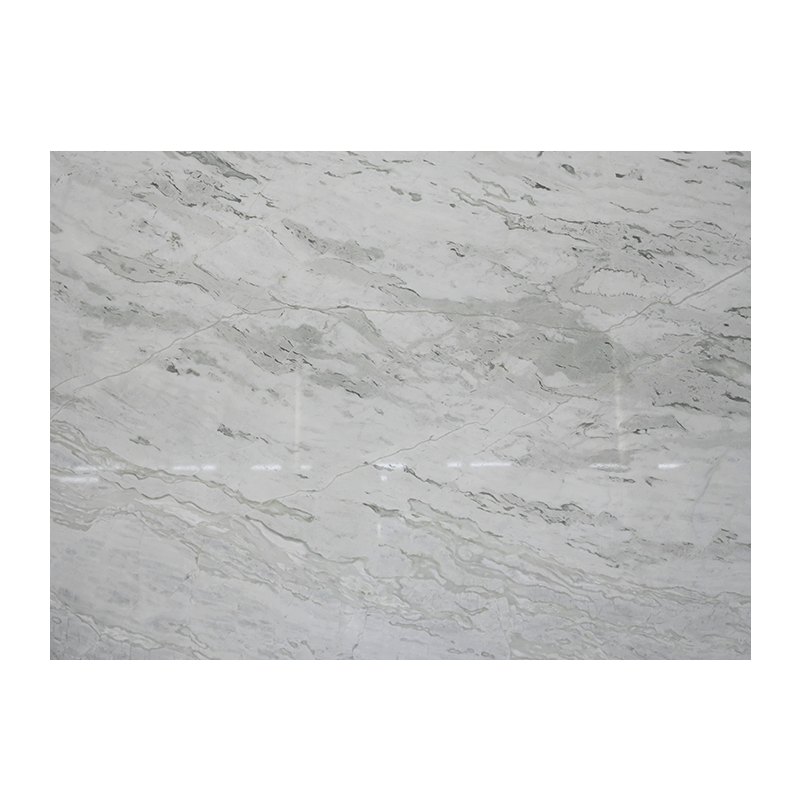
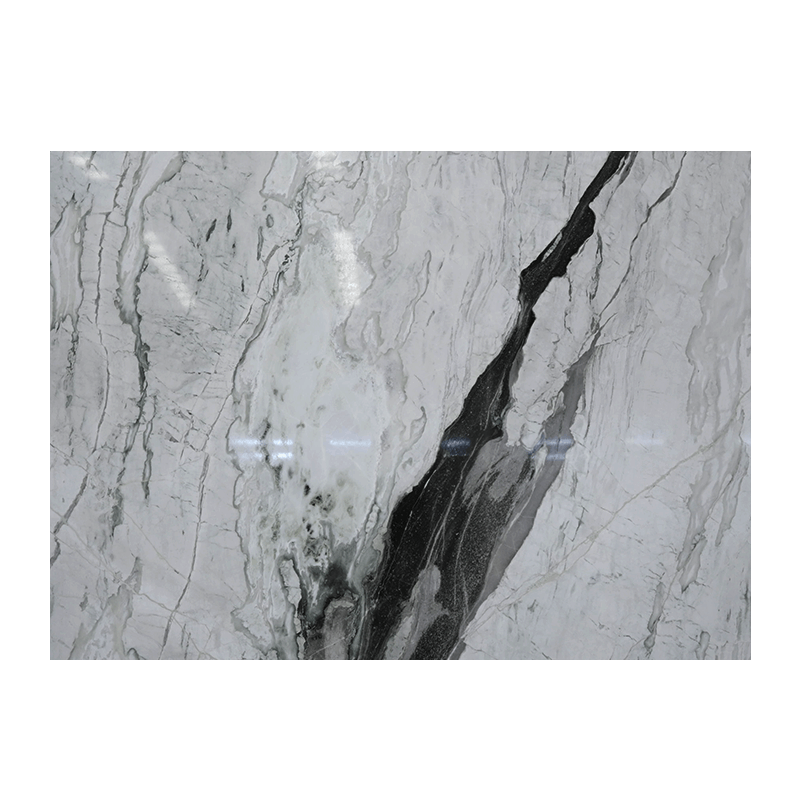
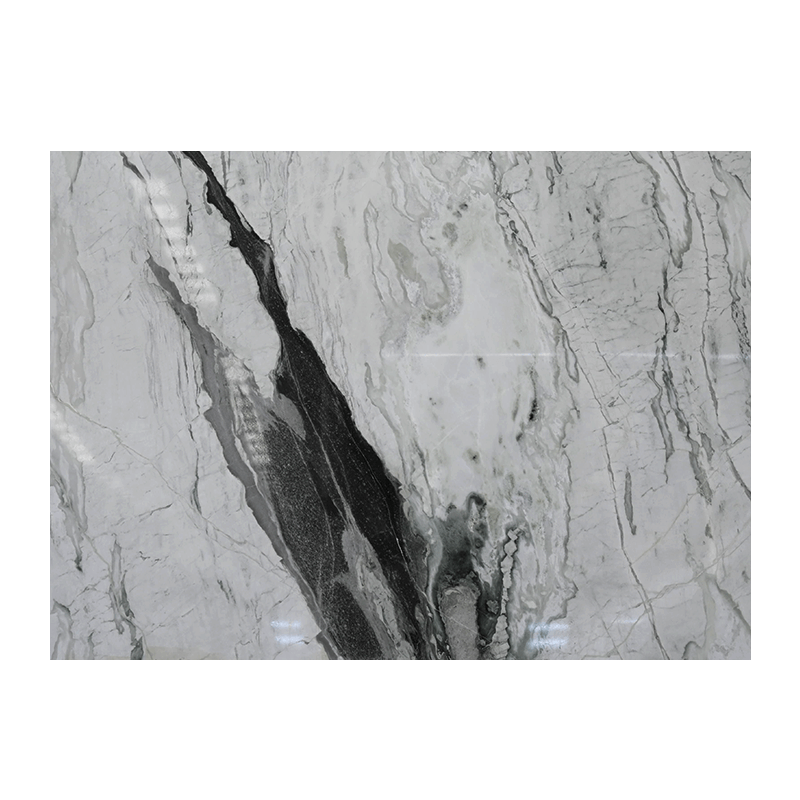
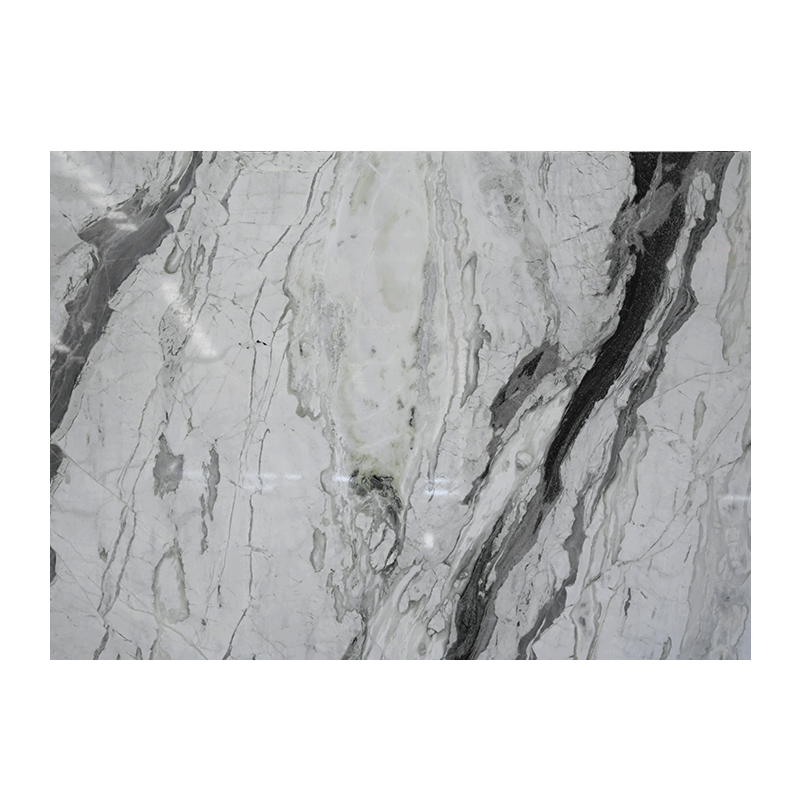
The environmental impact of Polished Marble Mosaic Tiles begins at the quarrying stage, where natural marble is extracted from the earth. Eco-friendly quarrying practices focus on minimizing land disturbance, reducing waste extraction, and implementing site rehabilitation plans once quarrying activities are completed. Many modern quarries adopt controlled blasting and diamond wire cutting techniques, which significantly reduce unnecessary rock removal, noise pollution, and dust emissions compared to traditional extraction methods. Responsible marble sourcing also includes water management systems to prevent contamination of surrounding ecosystems and protect groundwater resources. When Polished Marble Mosaic Tiles are sourced from quarries located closer to manufacturing facilities or project sites, the carbon footprint associated with transportation is substantially reduced. Selecting suppliers that follow environmental regulations, ethical labor standards, and land restoration programs greatly improves the overall sustainability profile of polished marble products.
The polishing process used to create Polished Marble Mosaic Tiles plays a major role in determining their environmental impact. Traditional polishing requires water, abrasives, and energy, but environmentally conscious manufacturers now employ closed-loop water recycling systems that dramatically reduce water consumption and wastewater discharge. Advanced polishing machinery is increasingly energy-efficient, lowering electricity usage while maintaining high-quality surface finishes. Many manufacturers also prioritize mechanical polishing techniques over chemical surface treatments, limiting the use of harmful substances and reducing volatile emissions. Stone dust and slurry generated during cutting and polishing are often collected and repurposed for secondary applications such as cement additives or construction fill, helping to reduce landfill waste. These improvements allow the production of Polished Marble Mosaic Tiles to align more closely with sustainable manufacturing standards.
One of the environmental strengths of Polished Marble Mosaic Tiles is their potential for high material utilization. Mosaic tile production often uses smaller stone segments, which allows manufacturers to repurpose marble offcuts and remnants that might otherwise be discarded. This significantly reduces raw material waste and increases overall resource efficiency. In environmentally responsible facilities, leftover marble fragments are reused in mosaics, crushed stone products, or decorative aggregates. This approach supports a circular material economy, where natural resources are fully utilized rather than disposed of prematurely. By converting quarry remnants and production scraps into usable materials, manufacturers reduce the environmental burden associated with stone extraction and waste disposal.
Polished Marble Mosaic Tiles are highly eco-friendly at the end of their lifecycle because marble is a 100% natural, recyclable material. Unlike synthetic flooring or tiles containing plastics, resins, or chemical binders, marble does not degrade into harmful byproducts. When removed or replaced, polished marble tiles can be crushed and reused in road bases, concrete production, landscaping materials, or architectural stone aggregates. Even when disposed of, marble remains chemically inert and does not release toxins into soil or water systems. Additionally, the exceptionally long lifespan of Polished Marble Mosaic Tiles reduces the need for frequent replacement, which further lowers resource consumption and construction waste over time.
From a sustainability perspective, the durability of Polished Marble Mosaic Tiles contributes significantly to their eco-friendly profile. When properly installed and maintained, these tiles can last for decades without losing structural integrity or aesthetic value. This longevity minimizes renovation cycles, reduces material consumption, and lowers the environmental impact associated with manufacturing and transportation of replacement materials. Unlike many synthetic alternatives that require frequent replacement or emit pollutants over time, polished marble remains stable, non-toxic, and visually timeless. As a result, Polished Marble Mosaic Tiles support long-term sustainable building practices, combining natural material integrity with reduced lifecycle environmental costs.


Factory Address: NO.8,WEST BINHAI ROAD,LAOBAGANG(JIAOXIE TOWN),BINHAI NEW AREA,HAIAN COUNTY,NANTONG,JIANGSU,CHINA


+86-15221350573

+86-571-86632298
 English
 Español
 русский
 عربى
عربى