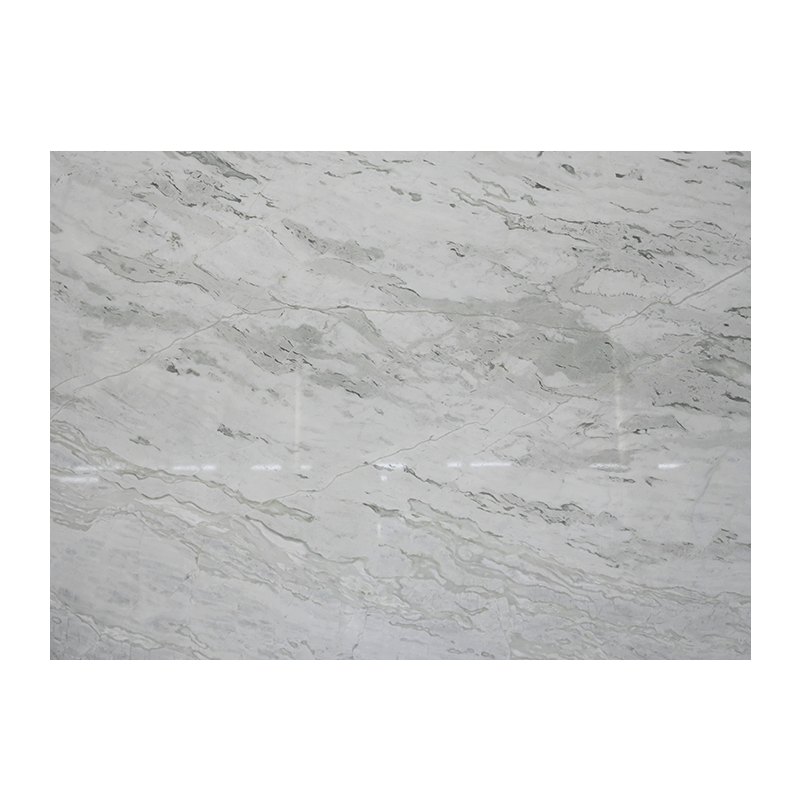
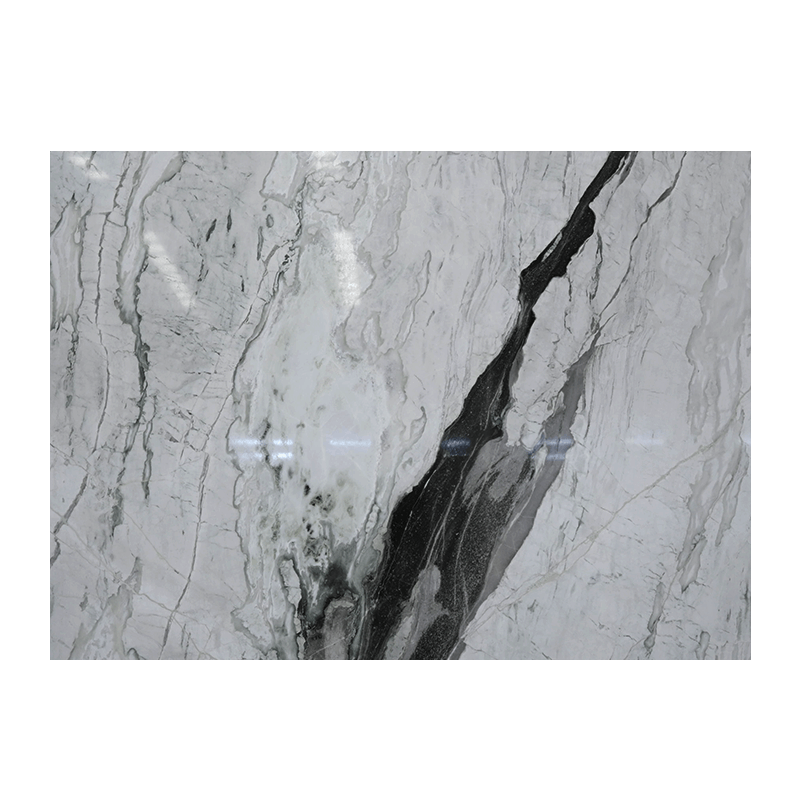
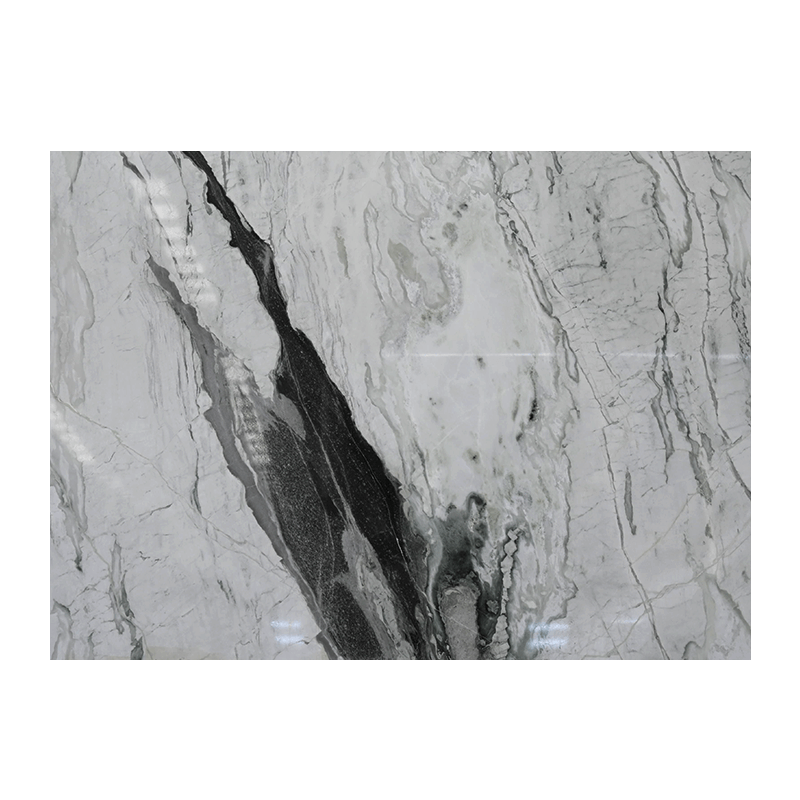
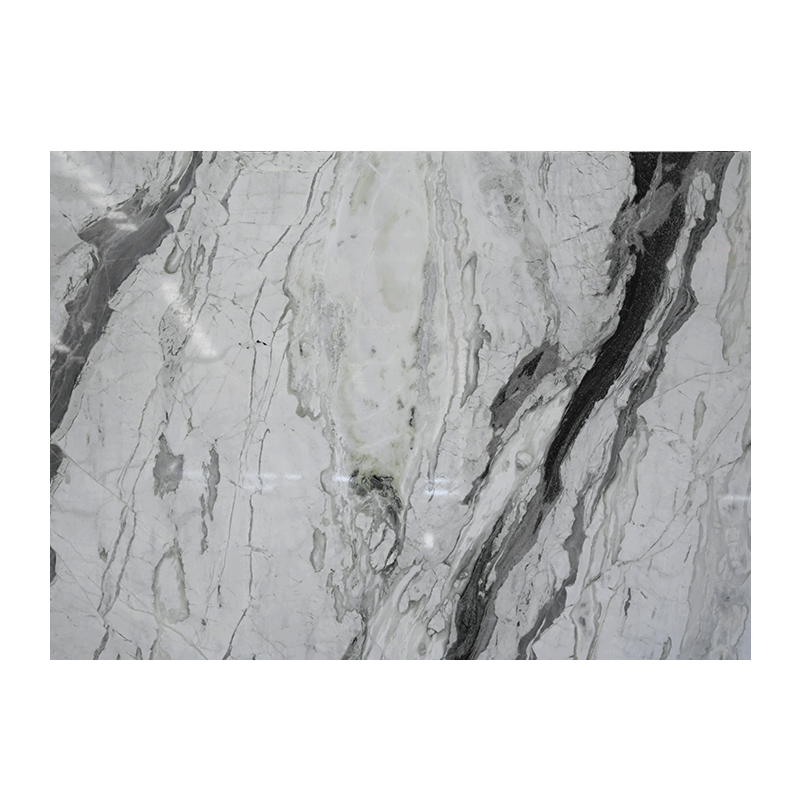
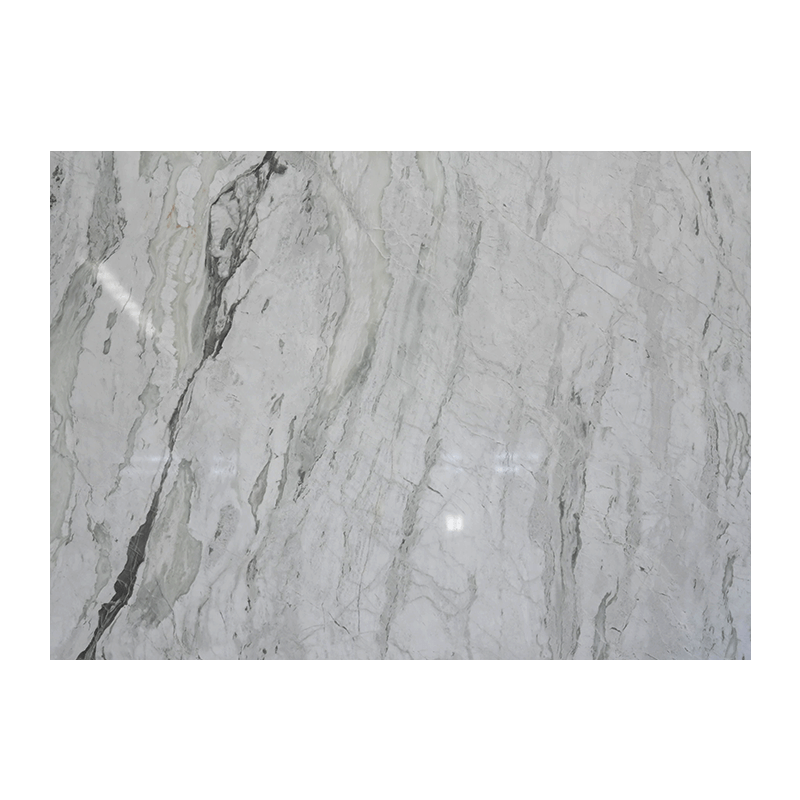
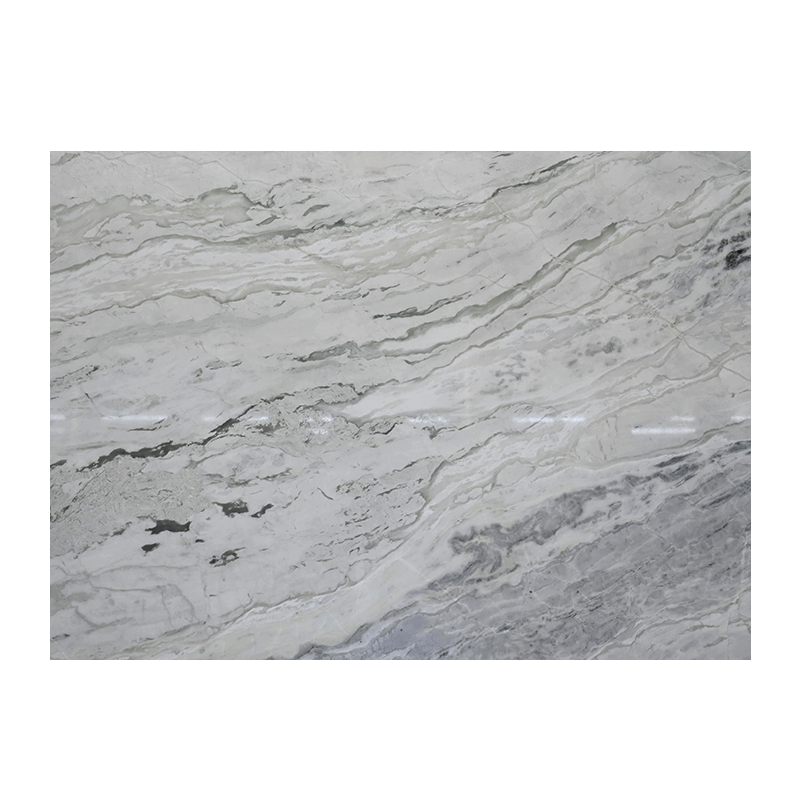
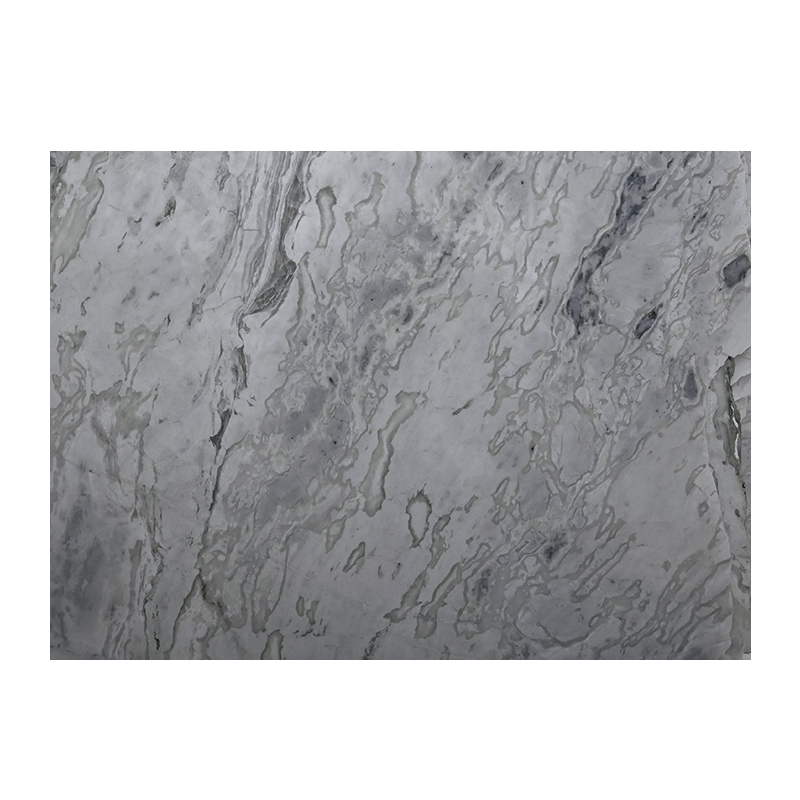
Polished Marble Tile performs very well in terms of heat resistance and is generally compatible with underfloor heating systems. Marble is a natural stone with excellent thermal conductivity, meaning it can efficiently transfer heat from heating pipes or electric systems to the surface. This property allows rooms to warm up evenly and maintain comfortable temperatures while improving energy efficiency.
In fact, natural marble has a thermal conductivity range of approximately 2.0–3.5 W/m·K, which is significantly higher than many other flooring materials such as wood or laminate. This allows polished marble tile to distribute heat more effectively. When installed correctly with proper adhesives, insulation layers, and expansion joints, polished marble tiles can operate safely with both hydronic and electric radiant heating systems.
However, optimal performance depends on professional installation, appropriate temperature control (typically below 27–29°C surface temperature), and the use of suitable adhesives and subfloor preparation.
One of the main reasons polished marble tile works well with radiant heating systems is its natural thermal properties. Marble is a dense metamorphic rock primarily composed of recrystallized calcite or dolomite, giving it excellent heat conductivity and thermal storage capabilities.
Compared with many common flooring materials, marble transfers heat more efficiently. This means less energy is required to warm the room once the system is operating.
| Material | Approximate Thermal Conductivity (W/m·K) | Heating Efficiency |
|---|---|---|
| Polished Marble Tile | 2.0 – 3.5 | High |
| Ceramic Tile | 1.0 – 1.5 | Medium–High |
| Engineered Wood | 0.15 – 0.25 | Low |
| Carpet | 0.04 – 0.06 | Very Low |
Because marble transfers heat quickly, it can help radiant systems reach the desired temperature faster and maintain consistent warmth across the floor surface.
Polished marble tile can be used with the two most common radiant heating systems found in residential and commercial buildings.
Hydronic systems circulate warm water through pipes installed beneath the floor. This method is widely used in large residential projects, hotels, and luxury apartments.
Electric heating systems use heating cables or mats placed under the tile layer. These systems are commonly used in bathrooms, kitchens, and smaller rooms.
Although polished marble tile is highly compatible with underfloor heating, correct installation practices are essential to prevent cracking, uneven heating, or tile detachment.
Flexible adhesives designed for natural stone and heated floors should be used. These adhesives accommodate slight thermal expansion and contraction caused by temperature changes.
Heating systems should be activated gradually after installation. Most professionals recommend waiting at least 7–14 days before turning on the heating system to allow adhesives and grout to cure properly.
Surface temperatures should generally not exceed 29°C (84°F). Excessive heat may cause expansion stress or damage the subfloor structure.
Combining polished marble tile with underfloor heating offers several functional and aesthetic benefits for homeowners, architects, and developers.
Many luxury hotels, spas, and modern residential projects use polished marble tile together with radiant heating systems specifically because the combination provides both aesthetic elegance and comfortable indoor temperatures.
Despite its excellent compatibility with radiant heating, polished marble tile does have some practical considerations that users should understand before installation.
However, when these factors are addressed during planning and installation, polished marble tile remains one of the most reliable and aesthetically pleasing flooring options for heated floors.


Factory Address: NO.8,WEST BINHAI ROAD,LAOBAGANG(JIAOXIE TOWN),BINHAI NEW AREA,HAIAN COUNTY,NANTONG,JIANGSU,CHINA


+86-15221350573

+86-571-86632298
 English
 Español
 русский
 عربى
عربى