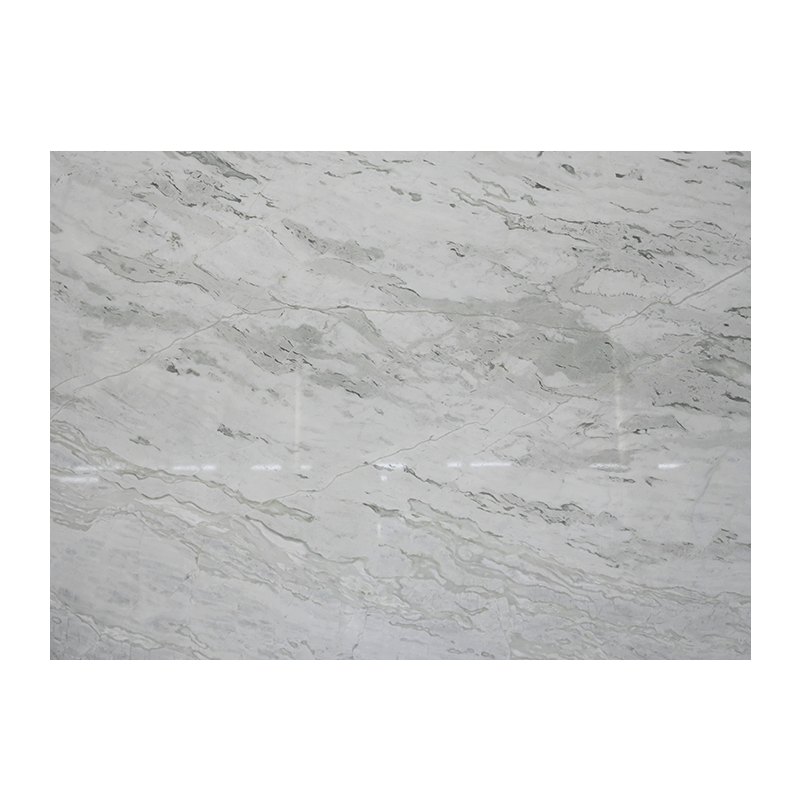
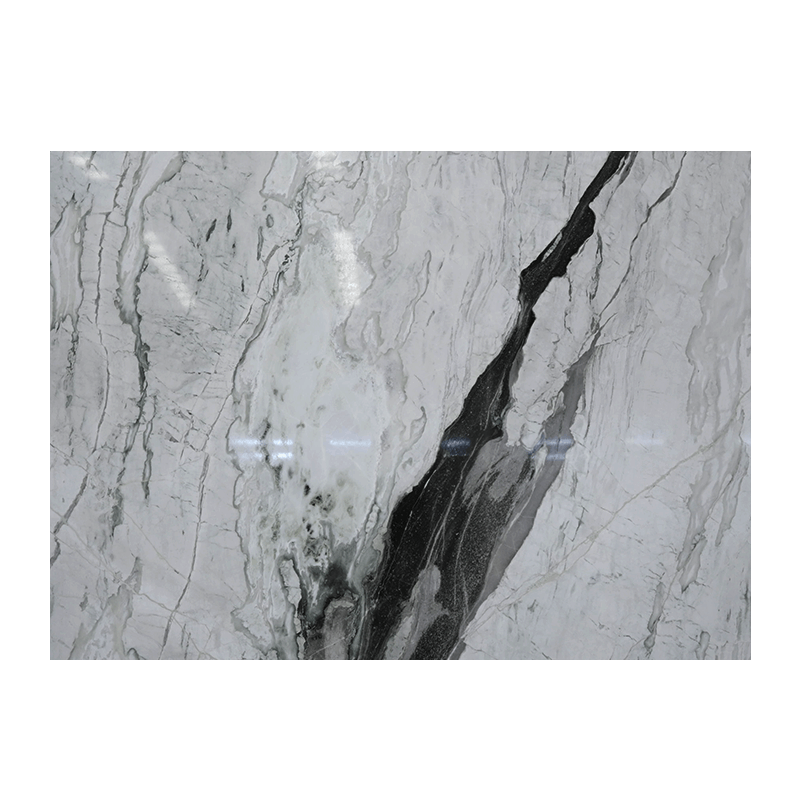
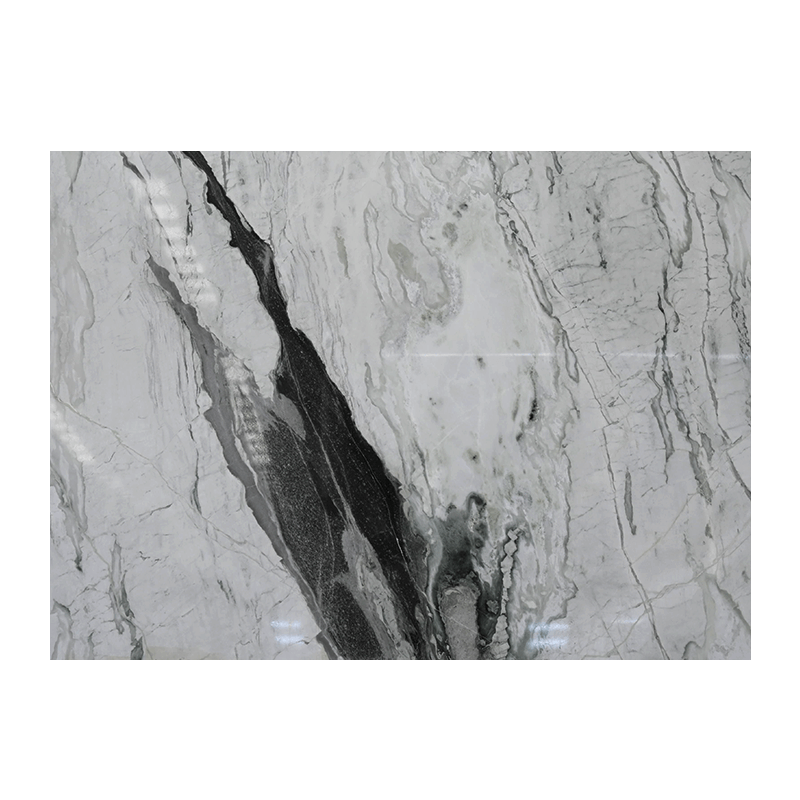
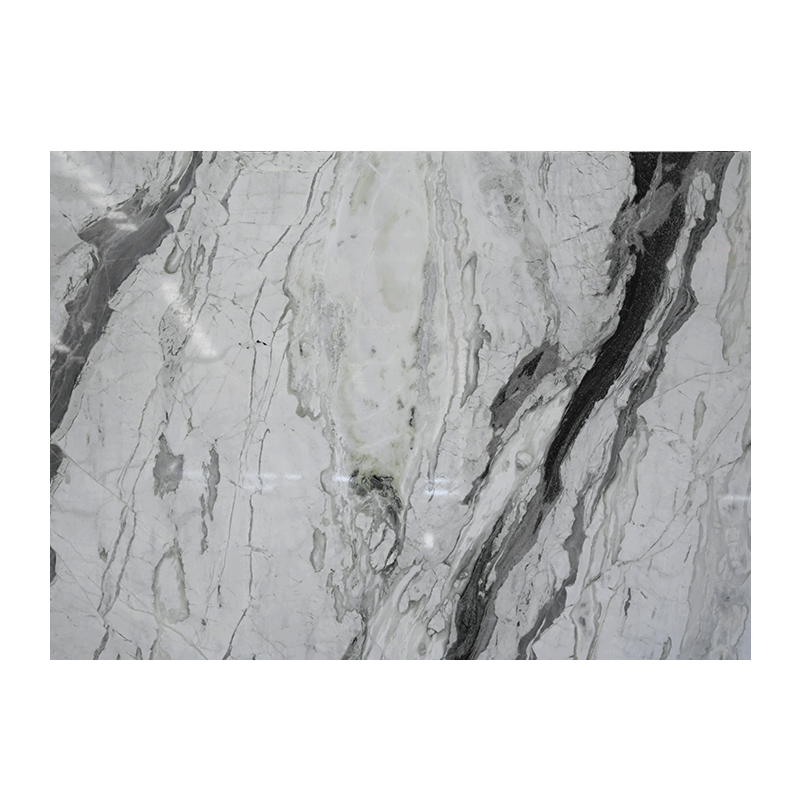
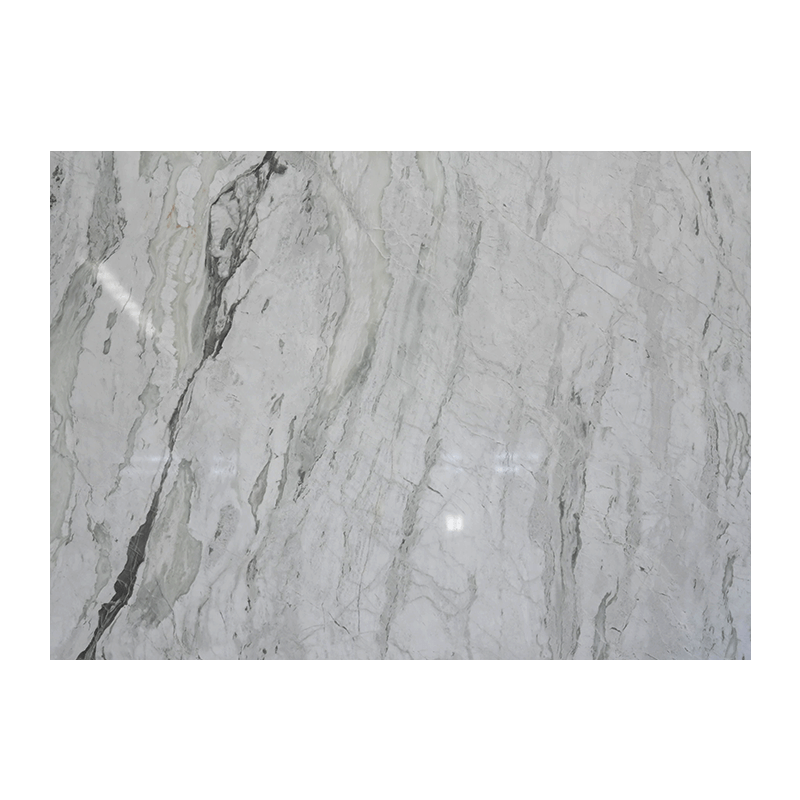
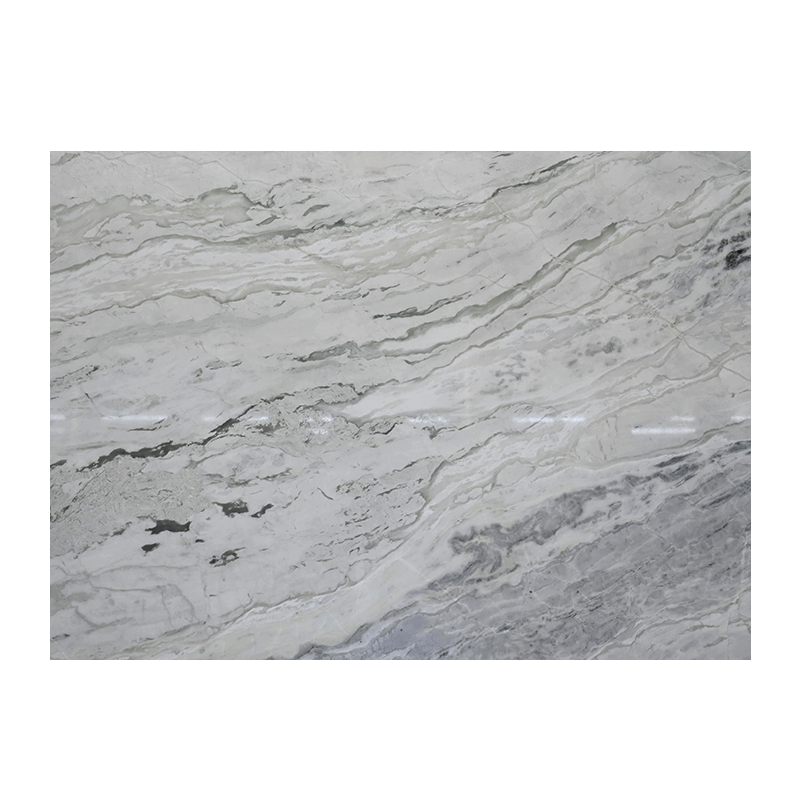
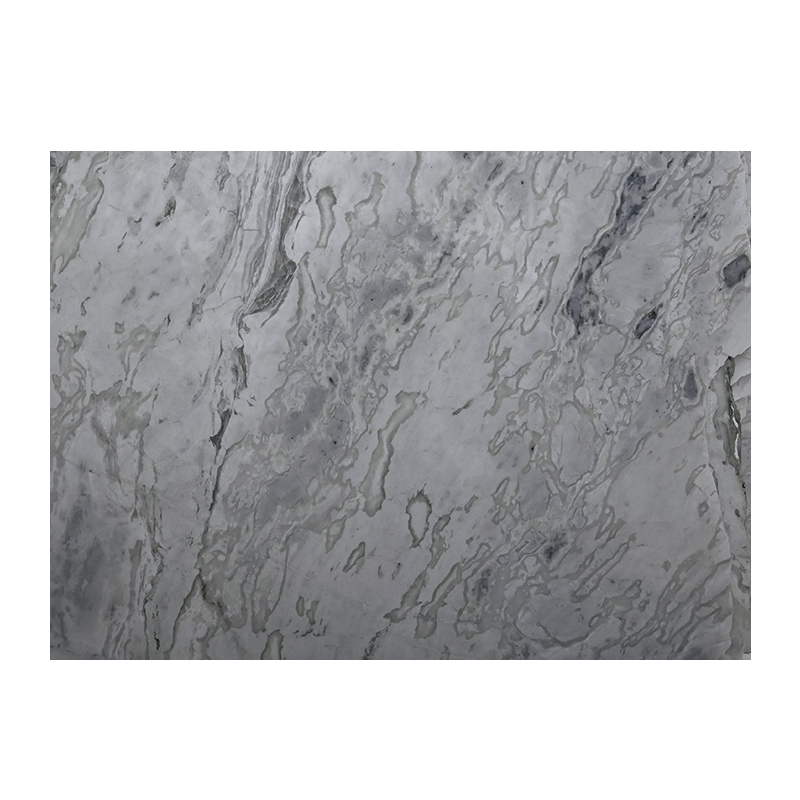
Marble shower floors are generally more slippery than porcelain and ceramic tiles when wet. While marble offers elegance and natural beauty, its polished surface can have a lower coefficient of friction (COF), increasing the risk of slips in showers. Porcelain and ceramic tiles, especially textured or matte finishes, provide superior slip resistance, making them safer for wet areas.
The slip resistance of any flooring material is often measured using the coefficient of friction (COF). A higher COF indicates better traction. According to the American National Standards Institute (ANSI) and Tile Council of North America (TCNA) standards, wet areas like showers should ideally have a COF of at least 0.60 for safety.
Marble, particularly polished varieties, often has a COF ranging from 0.40 to 0.55, which is below the recommended threshold for wet areas. In contrast, matte-finished porcelain and ceramic tiles typically measure between 0.60 and 0.75, offering better grip and reduced slip risk.
Polished marble is the most slippery due to its smooth, reflective surface. Honed marble, which has a matte finish, provides slightly more grip. Textured or tumbled marble can improve traction, but these options are less common in contemporary bathroom designs.
Even minor soap scum or water accumulation can significantly reduce traction on marble. Porcelain and ceramic tiles with textured surfaces handle water better, maintaining friction and reducing slip hazards.
Shower floors require proper slope to prevent pooling. Marble floors must be installed with precise grading because water accumulation can dramatically increase slipperiness. Porcelain and ceramic tiles, being easier to cut and install in small modular sizes, often accommodate slopes more efficiently.
If you choose a marble shower floor, several strategies can enhance safety:
| Material | Finish | Wet COF | Slip Risk |
|---|---|---|---|
| Marble | Polished | 0.40–0.50 | High |
| Marble | Honed/Matte | 0.55–0.60 | Moderate |
| Porcelain | Textured/Matte | 0.60–0.75 | Low |
| Ceramic | Matte | 0.60–0.70 | Low |
Marble remains a top choice for luxury bathrooms due to its timeless beauty, unique veining, and high-end appeal. While porcelain and ceramic are safer, designers often balance safety and aesthetics by using marble in limited areas, like walls or accents, while reserving porcelain or ceramic for the floor. This hybrid approach achieves elegance without compromising slip safety.
If safety is a priority, especially for elderly users or children, porcelain or ceramic tiles are preferable for shower floors. Marble can be used if anti-slip treatments and proper maintenance are implemented. Choosing honed or textured marble improves safety while maintaining the luxurious appearance, but it will not match the inherent slip resistance of textured porcelain or ceramic.
Ultimately, a combination of material choice, surface finish, slope design, and ongoing maintenance determines the overall safety of a shower floor.


Factory Address: NO.8,WEST BINHAI ROAD,LAOBAGANG(JIAOXIE TOWN),BINHAI NEW AREA,HAIAN COUNTY,NANTONG,JIANGSU,CHINA


+86-15221350573

+86-571-86632298
 English
 Español
 русский
 عربى
عربى